7 Turbine Flow Meter Buying Tips for Global Buyers
Choosing a Turbine Flow Meter for an international project is not just a matter of comparing prices. The wrong model can struggle with changing fluid properties, pulsating flow, or a pipe installation that leaves too little straight-run length. A meter that performs well in a clean test line may behave differently beside a pump, valve, or elbow. Details matter.
Market growth makes careful selection more important. Grand View Research’s Flow Meters Market report estimated the global market at USD 9.58 billion in 2023 and forecast a 6.3% compound annual growth rate from 2024 to 2030. This broad market estimate includes multiple flow-meter technologies; it is not a turbine-meter sales figure or a guarantee of future demand. Still, it reflects the value industries place on accurate process measurement. Buyers should assess evidence for the specific meter, fluid, and operating conditions—not rely on market momentum alone.
These seven buying tips focus on the checks that often get missed: fluid compatibility, flow range, pressure and temperature limits, accuracy claims, calibration records, materials, and supplier support. Ask for test data at conditions close to your own, and verify what the quoted accuracy actually covers. A neat specification sheet is helpful, but it cannot replace application details. Global sourcing adds practical questions about documentation, spare parts, lead times, and technical assistance. One uncomfortable point deserves attention: the lowest initial price can become the costliest choice when the meter is poorly matched.
Understand How Turbine Flow Meters Work and Where They Fit
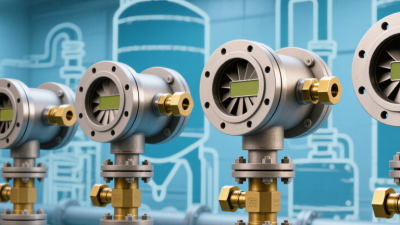
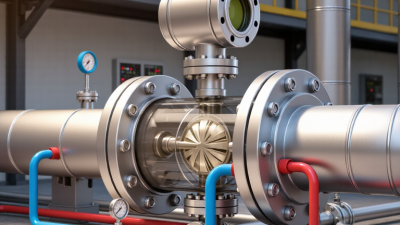
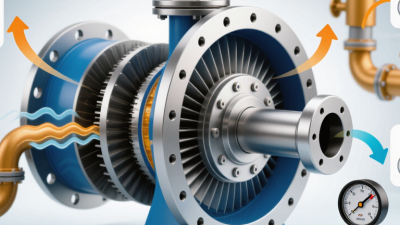
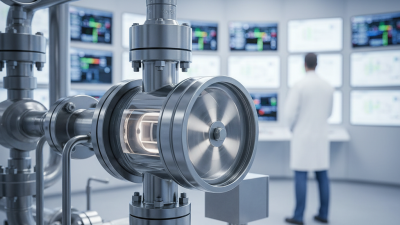
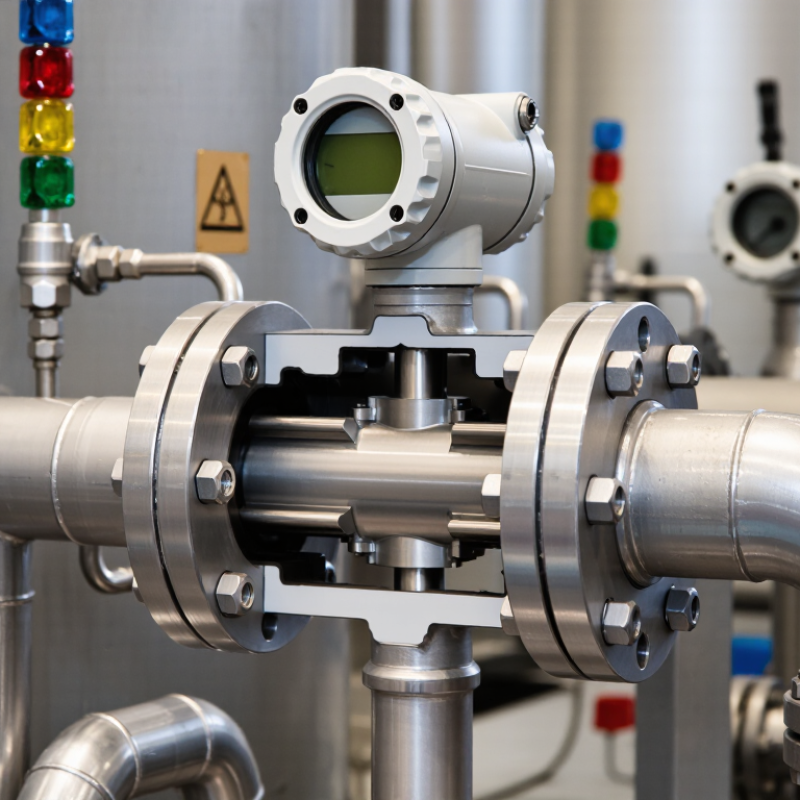
A turbine flow meter turns fluid movement into a measurable signal. As liquid or gas passes through the meter, it spins a bladed rotor. A pickup sensor counts rotor pulses, which are converted into flow rate and total volume. The principle is simple. The result depends on steady flow, correct sizing, and calibration. A pump’s pulsation or a nearby elbow can disturb the flow profile and affect readings.
Turbine meters suit clean, relatively stable flows where repeatable measurement matters, such as fuel transfer, process lines, and gas distribution. The International Energy Agency’s Global Gas Review 2024 estimated that global gas demand reached about 4,000 billion cubic metres in 2023. That scale highlights why dependable gas measurement matters, though it does not make every turbine meter suitable for every gas line. ISO 9951 covers turbine gas meters; API MPMS Chapter 5.3 addresses turbine meters for liquid hydrocarbons.
Check the fluid, operating range, pressure, temperature, and expected contaminants before choosing a meter. Fine particles can wear the rotor; changing viscosity can shift performance. Ask how the unit was calibrated and whether the installation meets its straight-pipe requirements. A datasheet may look reassuring. It is not the whole story. Real piping rarely matches an ideal test rig, so site conditions deserve a careful review.
Turbine Flow Meter Buying Tip: Match Flow Rate to Pulse Output
The chart illustrates the flow-to-frequency relationship for an example meter with a K-factor of 100 pulses per liter. Pulse frequency is calculated as flow rate × K-factor ÷ 60. Actual K-factors and usable flow ranges vary by meter, fluid, and installation, so confirm the calibration data and operating range with the supplier.
Define Fluid Properties and Operating Conditions
Before comparing turbine flow meters, record the fluid’s composition, viscosity, density, and expected temperature range. “Oil” is not enough. A light solvent and a viscous lubricant can behave very differently, even at the same flow rate. Ask for viscosity at operating temperature, not only at room temperature. That small detail matters.
Define the real operating envelope: minimum, normal, and peak flow, along with pressure and temperature changes. A meter selected around average flow may struggle during startup or low-flow periods. Check whether flow is steady or pulsating, and whether the line may contain bubbles or suspended solids. Turbine meters rely on a rotating element, so contamination or changing fluid properties may affect readings. Tiny particles matter.
Confirm wetted-material compatibility and stated viscosity limits using technical documentation. Share actual process data, including cleaning fluids and seasonal temperature swings. In practice, the data is sometimes incomplete. Keep that uncertainty visible rather than filling gaps with guesses. I would leave room for normal variation, but no single safety margin fits every installation. A neat spreadsheet cannot fix a shaky assumption.
Compare Flow Range, Accuracy, and Installation Requirements
A turbine flow meter should match the flow you actually expect, not just the pipe diameter.
Compare minimum, normal, and peak flow rates against the meter’s stated range. A meter that spends most of its time near its lower limit may give unstable readings. Too much oversizing can also reduce useful resolution. Check the fluid’s viscosity and cleanliness; turbine meters generally suit relatively clean, low-viscosity liquids. Small particles can affect the rotor.
Read accuracy figures with care.
They usually apply under specified conditions, not every operating scenario. Ask whether the quoted accuracy covers your fluid, flow range, and temperature. Calibration records are useful, but they do not replace sensible installation. Allow the straight inlet and outlet runs specified in the technical documentation. Elbows, valves, and pumps nearby can disturb the flow profile. Details matter.
Picture a compact meter installed after a tight pipe bend.
The display may look convincing, while the reading remains biased. Check orientation, pipe support, pressure, and temperature limits before ordering. Confirm connection sizes and measurement units, especially when equipment and site drawings use different conventions. A neat spreadsheet helps, but it cannot reveal every site constraint. I have seen buyers overlook access for maintenance; it is an easy mistake, and worth reconsidering before purchase.
Verify Materials, Certifications, and Regional Standards
A turbine flow meter can perform well in one installation and drift in another.
Check wetted materials against the actual fluid, temperature, pressure, and cleaning chemicals. A stainless-steel body alone does not confirm that the rotor, bearings, or seals are compatible. Ask for a material schedule and test records. Small details matter. API MPMS Chapter 5.3 covers turbine-meter measurement of liquid hydrocarbons; OIML R 117 addresses dynamic measuring systems for liquids other than water. These references help identify relevant requirements, but neither replaces checking local rules for your application.
Treat certificates as evidence with limits. ISO/IEC 17025 accreditation can support confidence in calibration, but verify that the laboratory’s accredited scope covers the meter type and flow range you need. The ISO Survey 2022 reported 1,265,216 valid ISO 9001 certificates worldwide. That is a useful quality-system context, not proof that any individual meter is accurate. This distinction is easy to miss. For installations used in regulated trade, confirm applicable regional approvals and verification procedures before purchase; requirements can differ by fluid and use. EU Measuring Instruments Directive provisions, for example, distinguish instrument categories. Request the certificate number, issuing body, test conditions, and uncertainty data, then check them with the issuer. A certificate that looks complete may still cover a different configuration.
Assess Supplier Support, Total Cost, and Maintenance Needs
7 Turbine Flow Meter Buying Tips for Global Buyers
A low purchase price can hide expensive commissioning, calibration, and downtime. Compare the full ownership cost over the meter’s expected service life. The U.S. Department of Energy’s Operations & Maintenance Best Practices report estimates that operations and maintenance can represent 60–80% of a facility’s life-cycle costs. That estimate is broad, not meter-specific, but it shows why service planning matters.
Ask suppliers for written details on response times, technical assistance, spare-part availability, and calibration services in your region. A meter waiting weeks for a replacement rotor can disrupt a production line. Small delays matter. Confirm calibration intervals, uncertainty data, and traceability documentation before ordering. Also ask whether staff training and commissioning support are included or billed separately.
Maintenance depends on the application. Turbine meters contain moving parts, so fluid cleanliness, viscosity, and operating range can affect performance and wear. Request guidance on filtration, installation, and inspection frequency for your actual process conditions. Check whether the supplier can explain the maintenance procedure clearly, not just provide a manual. One detail buyers sometimes overlook: the cost and lead time for routine service. That deserves a line in the quotation.