How to Choose the Right Turbine Meter in 2026?
Choosing the right Turbine Meter in 2026 requires more than comparing catalog accuracy. The real decision begins inside the pipe. Fluid viscosity, density, temperature, pressure, flow range, and particle content all influence performance. A meter that works beautifully on clean water may struggle with lubricating oil or gas. Small installation errors can also create large measurement differences.
Jesse Yoder, PhD, a respected flow-measurement analyst, offers a useful reminder: “The best flowmeter is the one that fits the application.” That principle should guide every selection. Buyers should examine Reynolds number, minimum flow, maximum flow, pressure loss, pulse output, communication options, and calibration records. They should also confirm straight-pipe requirements before approving the purchase. A short upstream run may produce turbulence, even when the meter looks correctly installed.
Field experience teaches another lesson. Brochure accuracy is not the same as operating accuracy. Vibration, air bubbles, worn bearings, and sudden valve changes can quietly distort readings. Sometimes, a cheaper meter becomes expensive after repeated maintenance. Sometimes, an advanced model adds features nobody uses. We should admit that selection tables can oversimplify difficult conditions. The most reliable choice comes from verified process data, supplier documentation, and realistic maintenance planning. In 2026, digital diagnostics and remote monitoring will matter more, but they cannot repair poor sizing. This guide explains how to compare Turbine Meter designs, question manufacturer claims, and select a solution that remains dependable beyond the test bench.
Turbine Meter Fundamentals and Operating Principles
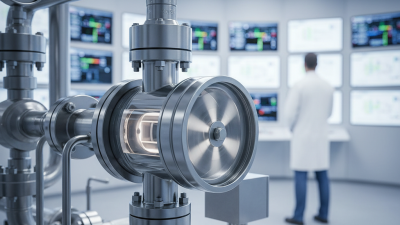
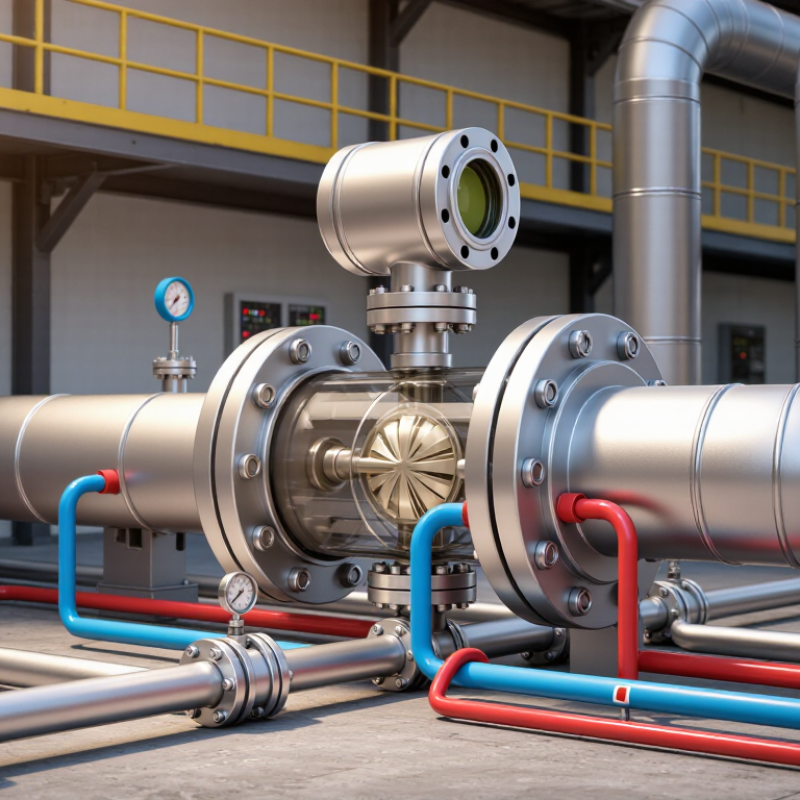
A turbine meter measures liquid or gas flow by converting fluid velocity into rotor speed. As fluid passes through the meter body, angled blades spin around a central shaft. A pickup sensor detects each rotor revolution and sends pulses to a flow transmitter. The transmitter applies a calibration factor, often called a meter factor, to calculate volume. That is the core principle. Simple, but not effortless.
Accuracy depends on stable flow conditions. Straight pipe length helps reduce swirl before the rotor. Strainers can protect the assembly from debris, although excessive pressure loss may follow.
The meter must match the fluid’s viscosity, density, temperature, pressure, and expected flow range. A meter operating below its minimum range may produce weak readings. At excessive flow, wear and pressure loss can increase.
Engineers should review process data, not just a catalog number.
In 2026, selection should also consider signal compatibility, diagnostics, and maintenance access.
Pulse output may suit a basic controller, while digital communication can support condition monitoring. Install the meter where technicians can inspect the rotor and sensor safely. Verify grounding, electrical classification, and calibration requirements for the site.
Field experience shows that air bubbles and sudden valve changes often cause unexpected errors. No selection method is perfect.
Validate performance with a controlled flow test after installation.
Define the Fluid, Flow Conditions, and Measurement Requirements
How to Choose the Right Turbine Meter in 2026?
Start with the fluid. A turbine meter suits clean, low-to-moderate viscosity liquids and gases with stable flow. Confirm density, viscosity, temperature, pressure, and chemical compatibility before comparing specifications. Suspended solids can damage the rotor or distort its movement. Thick fluids may also create excessive friction and reduce accuracy.
Then define the flow conditions carefully. Record minimum, normal, and maximum flow rates, not just the advertised capacity. Check for pulsation, sudden valve changes, vibration, and air entrainment. The meter needs a suitable straight-run length before and after installation. Flow conditioners can help, but they cannot repair poor piping design. Numbers can deceive.
Your measurement requirement should guide the final choice. Decide whether you need totalized volume, real-time flow, batching control, or process verification. Specify the required accuracy, turndown ratio, response time, signal type, and calibration method. For custody-related measurements, documented calibration and traceable testing are essential. In field reviews, installation errors often matter more than the meter’s brochure rating. A clean spreadsheet can still mislead. Recheck the assumptions with actual operating data, especially during startup and low-flow periods. Oversizing is a common mistake. The meter may appear reliable while missing small but important flow changes.
Compare Turbine Meter Designs, Materials, and Performance Features
Choosing a turbine meter in 2026 starts with the fluid, not the catalog. A clean, low-viscosity liquid suits a compact axial design. Gas service may demand a different rotor, bearing system, and pressure rating. In field commissioning, I check flow range before connection size. Oversizing can hide low-flow errors. Undersizing creates pressure loss and mechanical stress. Neither choice is harmless.
Materials determine service life. Stainless steel bodies resist many corrosive environments, but compatibility depends on concentration and temperature. Polymer internals can reduce weight and cost. They may perform poorly with heat, abrasion, or solvents. Select bearings for the actual fluid, not a generic specification sheet. Magnetic or pulse outputs support remote monitoring. A local display helps technicians verify readings beside a pipe. Keep calibration records traceable to a qualified laboratory or documented reference. “Good accuracy” is incomplete without flow conditions.
Look closely at performance data. Ask for accuracy across the full operating range, repeatability, response time, and allowable pressure drop. A meter that performs well at one flow point may disappoint during startup or batching. Straight-pipe requirements also matter in crowded installations. I have seen installation geometry blamed on the meter, sometimes fairly. Sometimes not. Temperature compensation, diagnostics, and a robust enclosure improve confidence, but they cannot repair poor grounding or trapped air. I would leave a margin for future flow changes. That choice costs more now. It may prevent a second replacement later. Before purchase, compare test conditions with your process, and challenge every impressive number.
Evaluate Accuracy, Installation Conditions, and Maintenance Needs
How to Choose the Right Turbine Meter in 2026?
Evaluate Accuracy, Installation Conditions, and Maintenance Needs
Accuracy should match the process, not just the brochure.
Check the expected flow range, fluid temperature, pressure, viscosity, and measuring uncertainty. A turbine meter may perform well at steady flow but respond poorly near its lower limit. Ask for calibration data that reflects your actual operating range. Small errors become expensive when volumes are large.
Installation conditions often decide performance.
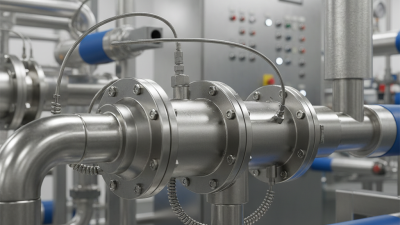
Provide straight pipe before and after the meter, as the manufacturer specifies. Elbows, valves, pumps, and sudden reducers can disturb the flow profile. Keep the meter aligned with the pipe. Remove air pockets and prevent vibration from nearby equipment. It sounds simple.
I have seen carefully selected meters produce unstable readings because a pump sat too close upstream. That mistake was not in the specification sheet.
Temperature changes also affect seals, bearings, and fluid behavior.
Consider a strainer, but check its pressure loss and cleaning access. Maintenance needs should be practical: inspect signal cables, clean the sensing area, and compare readings with a trusted reference. Some operators delay servicing because the meter still works. That approach can hide gradual wear. A written inspection interval helps, although real conditions may require adjustment.