China Top Liquid Flow Meter Suppliers How to Choose?

Choosing a reliable China Liquid Flow Meter supplier requires more than comparing prices. Flow measurement affects production stability, energy use, product quality, and maintenance costs. A meter that looks affordable may perform poorly when exposed to bubbles, vibration, high temperature, or changing fluid viscosity. The right supplier should understand these working conditions before recommending a model.

This guide examines practical factors when evaluating Chinese manufacturers and exporters. These factors include measurement technology, flow range, accuracy, wetted materials, pressure ratings, calibration methods, and communication quality. Buyers should request technical datasheets, inspection records, sample reports, and clear warranty terms. Factory capability also matters. A professional supplier should explain how each Liquid Flow Meter is tested before shipment. Photos of calibration equipment can help, but documented results are more reliable. Ask direct questions.

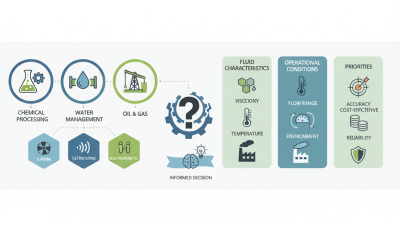
Application details should guide the selection. For example, a water pipeline may need a different meter from a chemical dosing line or a food-processing system. Consider pipe diameter, fluid conductivity, installation space, signal output, and cleaning requirements. International certifications may be important, but their relevance depends on the destination market and project specifications. Do not accept vague promises.

No supplier is perfect. Some websites present impressive specifications but provide limited engineering support. That deserves careful review. A lower quotation can also hide costs for calibration, spare parts, software, or installation. By comparing evidence rather than marketing language, purchasers can identify a capable partner and reduce avoidable risks. This article offers a practical framework for making that decision with greater confidence. Yet every project remains different, and final verification should never be skipped.
China Top Liquid Flow Meter Suppliers How to Choose?

What Is a Liquid Flow Meter and Where Is It Used?

A liquid flow meter measures how much liquid passes through a pipe over time. It may show flow rate, total volume, or both. Common technologies include electromagnetic, ultrasonic, turbine, and positive displacement meters. Each works differently. Electromagnetic meters suit conductive liquids, such as treated water and many chemical solutions. Ultrasonic models can measure flow without cutting the pipe. Turbine meters often perform well with clean, low-viscosity liquids.

Liquid flow meters are used in water treatment plants, irrigation systems, food processing lines, laboratories, and industrial cooling systems. In practical installation reviews, I check the liquid’s conductivity, viscosity, temperature, pressure, and expected flow range. Pipe size and straight-pipe length also affect accuracy. A supplier should provide calibration records, material details, and clear installation guidance. Accuracy claims need context. They may change under real operating conditions.

Tips: Describe the liquid precisely before requesting a quotation. Include solids, bubbles, corrosive properties, and temperature changes. Ask how the meter performs during low flow and sudden surges. Check maintenance access and signal compatibility. A cheaper meter may create higher costs later. That detail is easy to miss. Reconsider the specification after observing the actual process, because laboratory assumptions can be incomplete.

Which Liquid Flow Meter Types Are Made by Chinese Suppliers?

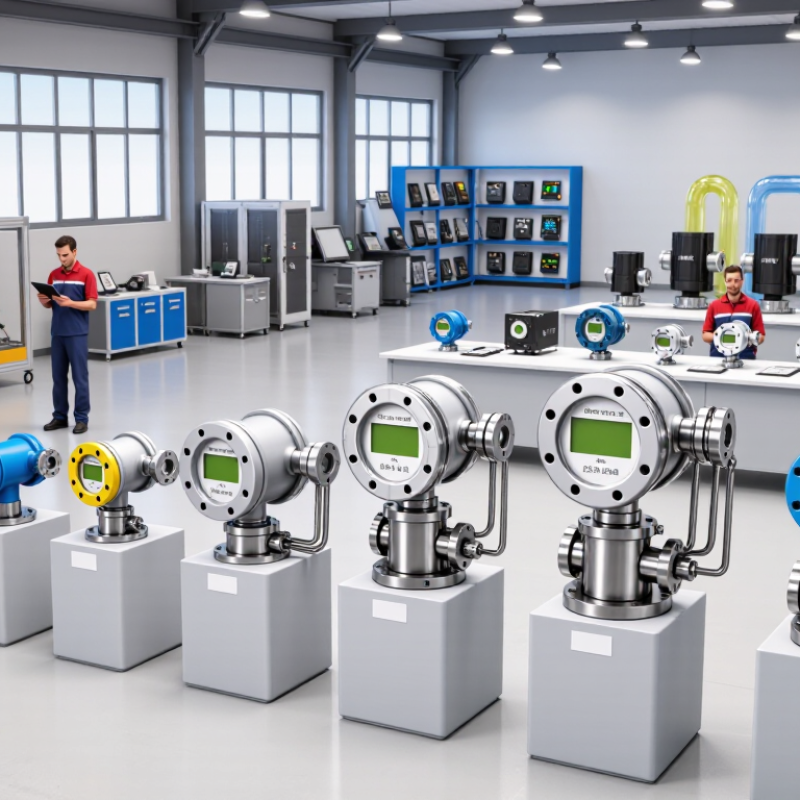
Chinese suppliers manufacture a broad range of liquid flow meters for water, chemicals, food processing, and industrial utilities. Electromagnetic flow meters suit conductive liquids, including wastewater and cooling water. They have no internal moving parts, which reduces mechanical wear. Ultrasonic meters measure flow through sound signals. Clamp-on versions can be installed without cutting the pipe. This is useful during plant upgrades.

Turbine flow meters provide accurate readings for clean, low-viscosity liquids. Their rotating blades require proper filtration and maintenance. Positive displacement meters work well with viscous liquids, such as oil or syrup.

Coriolis meters can measure mass flow and density together. They offer strong accuracy, but their purchase cost and installation weight are often higher. Variable-area meters remain practical for simple, local visual checks.

In supplier evaluations, experienced buyers should request calibration records, material certificates, and a real test report. Check whether wetted parts match the liquid temperature and chemical properties. A stainless-steel body does not guarantee total compatibility. That detail is easy to miss.

Chinese factories may also produce insertion, inline, and battery-powered designs for different pipe sizes. However, product catalogs can appear broader than actual production capability. A factory visit, sample test, or video inspection can reveal this gap. Confirm output signals, pressure ratings, display language, and spare-part availability before approval. Calibration quality matters more than a polished enclosure.

How to Assess the Expertise of China’s Flow Meter Suppliers?

When assessing China’s liquid flow meter suppliers, look beyond product catalogs. A capable supplier should explain how its meters behave with water, oil, chemicals, or suspended solids. Ask for application calculations, not broad promises. A technical engineer should discuss pipe diameter, flow range, viscosity, temperature, pressure, and installation space. Details matter. Request calibration certificates with traceable equipment and clear test conditions. Compare the stated accuracy with your actual operating range. A meter accurate at full scale may perform poorly at low flow. This small distinction is often missed.

Practical expertise appears in testing and communication. Ask whether the supplier can provide a sample inspection report, wiring diagram, material specification, and commissioning guidance before purchase. Review how problems are handled, including response time, spare-part availability, remote support, and field service capability. Factory evidence helps. A video call through the production line can reveal calibration benches, assembly controls, and final inspection records. Ask for references from similar fluid applications, while remembering that one successful project proves little. Some suppliers explain standards fluently but avoid difficult questions. That is a warning sign. My assessment would include independent verification, because supplier documents can contain errors. Even experienced teams overlook sensor grounding or straight-pipe requirements. Leave room to challenge the proposal. A reliable supplier welcomes technical questions and revises unclear details in writing.

China Top Liquid Flow Meter Suppliers How to Choose? - How to Assess the Expertise of China’s Flow Meter Suppliers?

Assessment Dimension What to Verify Relevant Benchmark or Evidence Suggested Weight Scoring Guide
Application and Product Fit Confirm that the supplier can match the meter technology to the liquid, pipe size, flow range, pressure, temperature, conductivity, viscosity, and installation conditions. Electromagnetic Suitable for conductive liquids and has no moving parts.
Ultrasonic Suitable where low pressure loss and external installation options are important.
Coriolis Measures mass flow and can also support density measurement, but normally costs more.
15% 5 = Complete application selection and sizing support
3 = Standard product matching only
1 = No documented selection method
Measurement Performance Review stated accuracy, repeatability, turndown ratio, zero stability, and the conditions under which the specifications apply. Typical industrial liquid flow meter accuracy commonly ranges from approximately ±0.5% to ±1.0% of reading or full scale, depending on technology, size, calibration, and operating conditions. The supplier should clearly define the reference conditions. 15% 5 = Clearly documented performance with test data
3 = General datasheet values only
1 = Unclear or unsupported claims
Calibration and Traceability Check whether each meter can be calibrated against a traceable reference and whether calibration records are supplied with the product. Look for calibration certificates identifying the instrument, test points, reference equipment, uncertainty, date, and acceptance criteria. ISO/IEC 17025 accreditation is a strong indicator for the competence of calibration laboratories. 15% 5 = Traceable multi-point calibration with complete certificate
3 = Basic factory calibration record
1 = No calibration evidence
Quality Management Evaluate production controls, incoming inspection, process inspection, final testing, nonconformance handling, and corrective actions. ISO 9001 certification can demonstrate a quality management system, but the certificate should be valid, issued for the relevant manufacturing scope, and supported by actual inspection records and test procedures. 12% 5 = Certified system plus auditable records
3 = Documented internal procedures
1 = Informal or undocumented controls
Materials and Process Compatibility Verify wetted-part materials, liner or tube material, electrode material where applicable, gasket type, enclosure material, and corrosion resistance for the process liquid. Common wetted materials include stainless steel, nickel alloys, PTFE, rubber liners, and ceramic components. The supplier should provide material certificates or a clear material declaration for critical parts. 12% 5 = Complete material selection and certificates
3 = Material list available without certificates
1 = Materials cannot be confirmed
Pressure, Temperature, and Protection Rating Confirm process pressure class, operating temperature, ambient temperature, enclosure protection, hazardous-area requirements, and installation environment. IP65 generally indicates protection against dust ingress and water jets; IP67 adds temporary immersion protection under defined test conditions. The selected rating must match the actual installation environment. 10% 5 = Ratings verified for the complete assembly
3 = Ratings shown only on a general datasheet
1 = Environmental limits are missing
Compliance and Documentation Review technical drawings, manuals, wiring diagrams, certificates, declarations, inspection plans, and applicable regulatory documentation. Depending on the application and destination, documentation may reference standards such as ISO 5167 for differential-pressure flow measurement, OIML R117 for dynamic measuring systems for liquids other than water, or applicable electrical and pressure-equipment requirements. 10% 5 = Complete project documentation and applicable compliance evidence
3 = Standard documents available
1 = Documentation is incomplete
Communication and Engineering Support Assess response quality, technical understanding, drawing review, installation guidance, troubleshooting capability, and language clarity. A capable supplier should be able to explain straight-run requirements, grounding or bonding needs, air and particle effects, sensor orientation, signal outputs, and commissioning procedures. 8% 5 = Fast, technically specific support
3 = Mainly sales-level communication
1 = Delayed or generic responses
Delivery, Service, and Lifecycle Cost Compare lead time, spare-parts availability, warranty terms, repair process, software or configuration support, and total cost of ownership. Evaluate the complete cost rather than purchase price alone: meter, calibration, installation accessories, spare sensors or liners, commissioning, maintenance, shipping, and expected service life. 8% 5 = Defined service process and transparent total cost
3 = Basic warranty and standard lead time
1 = No clear after-sales arrangement
Recommended evaluation method: Rate each dimension from 1 to 5, multiply the rating by the suggested weight, and compare the weighted totals. Request application-specific evidence before making a final purchasing decision; certificates and general brochures should not replace product testing or a documented technical review.

What Technical and Compliance Factors Should Buyers Check?

When evaluating top liquid flow meter suppliers in China, buyers should check measurement performance beyond a polished catalog. Ask for accuracy data across the actual flow range, not only the best laboratory point. Confirm the liquid’s viscosity, conductivity, temperature, pressure, and suspended solids. These details can change meter selection quickly. A meter designed for clean water may perform poorly with thick syrup or abrasive slurry.

Request calibration certificates with traceable standards, test conditions, and serial numbers. ISO/IEC 17025 calibration is useful when your industry or customer requires stronger evidence. Check materials carefully, including wetted parts, seals, electrodes, and housing protection. For food, chemical, or outdoor installations, confirm the applicable hygiene, material, electrical, and environmental requirements in your market. Do not guess.

Compliance documents must match the exact model and configuration. A general certificate may not cover the selected sensor, liner, power supply, or hazardous-area version. Review the user manual, wiring diagrams, pressure limits, and software functions before purchase. Also examine factory inspection records and complaint-handling procedures. Reliable suppliers should explain how they control production changes and preserve calibration records.

Installation conditions deserve equal attention. Measure straight-pipe length, grounding quality, air bubbles, and possible vibration at the site. A technically accurate meter can still give unstable readings when installed poorly. One overlooked issue is low-flow operation; many buyers focus on maximum capacity and ignore the first few litres per minute. The specification sheet may look complete, yet field verification is still necessary.

How to Compare Prices, Support, and Long-Term Supplier Value?

When comparing China’s top liquid flow meter suppliers, price should be only the opening figure. MarketsandMarkets estimated the global flow meter market at about USD 8.7 billion in 2023, with continued growth through 2028. This expansion increases supplier choices, but also creates uneven quality. Ask for a complete quotation covering the meter, sensor, transmitter, calibration, software, spare parts, and delivery. A low quote can look convincing. It can also mislead. Compare five-year ownership costs, not only the purchase price. Include energy use, recalibration, downtime, and replacement risk. Grand View Research reported strong market growth driven by industrial automation and process control, making reliable measurement increasingly valuable.

Support shows the real difference after installation. Request calibration certificates, accuracy curves, wetted-material details, and installation guidance. Check whether technical staff can respond in your time zone. Ask for a written response-time target. Vague promises are not enough. A capable supplier should explain pressure loss, pipe diameter, fluid viscosity, and potential air bubbles in practical terms. ISO 17025-accredited calibration is preferable when measurement affects billing or process control. I would also inspect sample manuals and test records before ordering. Some suppliers communicate well during sales, then become slow after payment. That risk deserves attention. Long-term value depends on traceable calibration, available spare sensors, firmware support, and clear warranty terms. The cheapest meter may become the most expensive equipment in the room.

China Top Liquid Flow Meter Suppliers: How to Choose?

A practical procurement scorecard for comparing price, technical performance, support, compliance, and long-term supplier value.

The percentages represent an illustrative buyer-weighting model rather than a ranking of any specific company. For liquid flow meters, purchase price should be evaluated together with measurement accuracy, calibration capability, spare-parts availability, technical support, certifications, delivery reliability, and expected maintenance cost over the service life.