How to Choose the Best Liquid Flow Meter for Your Needs?
Choosing the right Liquid Flow Meter is crucial for various industries. Accurate measurements ensure efficiency and safety. According to a report by MarketsandMarkets, the liquid flow meter market is projected to reach $5 billion by 2027, growing at a CAGR of 5.6%. This growth is driven by increasing automation in various sectors.
Dr. Emily Zhang, a prominent expert in industrial measurement, stated, "Selecting the appropriate liquid flow meter can significantly enhance operational performance." Her insights highlight the importance of understanding different types of flow meters. Each type comes with unique advantages and challenges. For instance, volumetric, mass, and velocity-based flow meters serve different applications.
However, many users still struggle to make optimal choices. Factors like fluid characteristics and measurement accuracy must be considered carefully. The wrong selection can lead to inefficiencies. Users may overlook critical specifications, causing future complications. Hence, it's essential to evaluate all aspects thoroughly before making a decision.
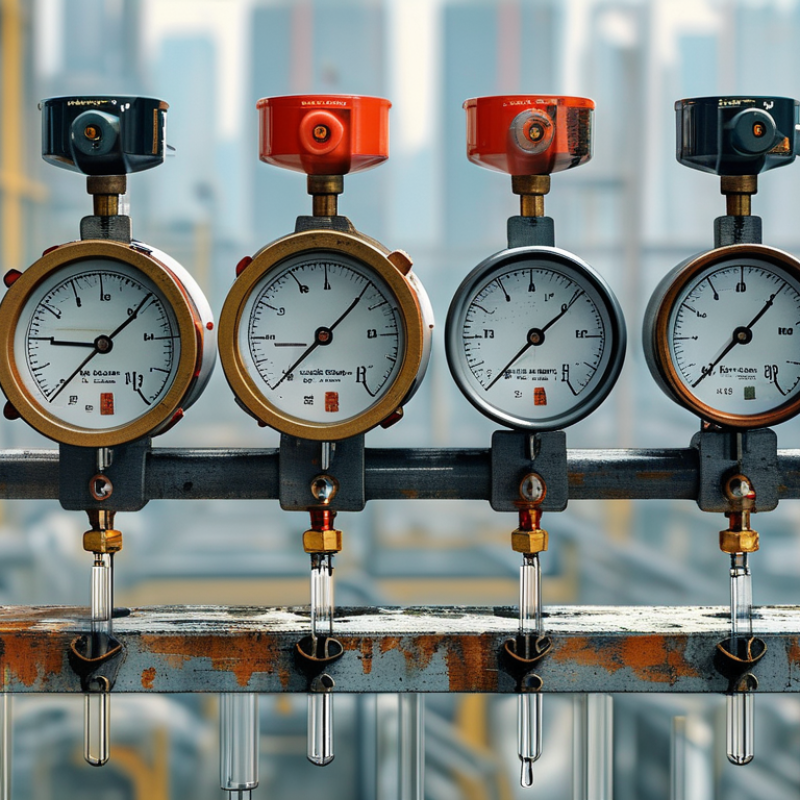
Understanding Liquid Flow Meters: Types and Their Functions
Liquid flow meters are crucial in various industries. They measure the flow rate of liquids with precision. Understanding different types of flow meters can help you select the right one for your needs.
There are several types of liquid flow meters. Positive displacement meters are ideal for low flow rates, capturing each droplet accurately. Turbine meters excel in higher flow applications, with a rotating element influencing the measurement. Coriolis flow meters, though more complex, provide mass flow measurements with exceptional accuracy. Their high sensitivity makes them suitable for diverse applications.
Choosing the suitable flow meter is challenging. Factors like viscosity, temperature, and pressure affect performance. Assessing your specific application is essential. Consider whether your liquid is clean or contains impurities. Each type has its strengths and weaknesses. A mismatched flow meter can lead to inaccurate readings and costly errors. Reflecting on your requirements will help avoid common pitfalls in selection.
Key Factors to Consider When Selecting a Liquid Flow Meter
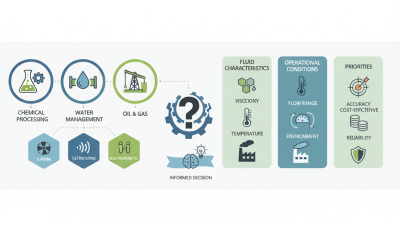
Choosing the right liquid flow meter requires careful consideration of various factors. One key aspect is the type of fluid being measured. Fluids can vary significantly in viscosity, temperature, and chemical composition. It’s essential to select a flow meter that can accurately measure the specific characteristics of the liquid. For example, some meters perform better with viscous fluids, while others suit cleaner, low-viscosity applications.
Another important factor is the required accuracy and flow range. Different applications may demand varying levels of precision. Understanding the operating conditions can help narrow down options. Some meters operate well under stable conditions; others excel when handling fluctuating flow rates. It’s also crucial to think about installation constraints. Space limitations might restrict certain types of meters, making it necessary to consider compact designs that still meet performance standards.
Calibration and maintenance are aspects that often get overlooked. Regular calibration ensures long-term reliability and accuracy. However, some devices require more frequent maintenance than others. Assessing the long-term costs, along with ease of maintenance, is vital. Ultimately, it’s important to reflect on your specific needs and possibly consult with experts. Their insights can help identify the best solution tailored to your situation.
Liquid Flow Meter Types Comparison
Evaluating Accuracy and Calibration Requirements
When choosing a liquid flow meter, accuracy is crucial. Industry reports indicate that even a small deviation in measurement can lead to significant financial losses. For example, in the oil and gas sector, an error of just 1% in flow measurement can cost businesses millions annually. Thus, checking the accuracy rating of a meter before purchase should be a top priority.
Calibration requirements also play a significant role. Regular calibration ensures that flow meters remain reliable over time. According to a study by the Flow Measurement and Instrumentation journal, 25% of flow meters in the field show signs of drift after initial calibration. This drift can result from various factors, including temperature variations and wear over time. Therefore, consider how often calibration is needed, and what methods are available.
Some industries require tight tolerances. In pharmaceutical manufacturing, for instance, a 0.1% accuracy is often necessary for compliance. In contrast, agricultural applications may tolerate higher variations, around 5%. Understanding your specific requirements can help in selecting the appropriate meter. It is also essential to reflect on how each setting impacts calibration needs. Some meters are easier to calibrate than others, so it's wise to assess the long-term maintenance associated with each option.
Assessing Compatibility with Fluid Properties and Environment
Choosing the right liquid flow meter requires careful consideration of fluid properties and the environment. The type of fluid greatly impacts meter selection. Viscosity, density, and temperature can affect measurement accuracy. For example, high-viscosity fluids, like gels, often require specific types of meters to ensure reliable readings. Reports indicate that flow meters for viscous fluids can vary in accuracy by as much as 15%, depending on the technology used.
Consider the environmental conditions as well. Factors such as pressure, temperature, and the presence of chemicals can influence sensor performance. In corrosive or high-pressure environments, for instance, some meters may not withstand conditions, leading to premature failures. Studies show that up to 30% of flow meter failures arise from inappropriate material choices for similar conditions. Regular testing can be beneficial, though many users overlook this step.
Compatibility is key. Each application has unique requirements that demand attention. A mismatch can lead to errors and inefficiencies. Users should conduct thorough assessments of their fluids and environments prior to selection. Many overlook how these factors interplay, resulting in costly errors. Thus, investing time in understanding fluid properties not only enhances accuracy but also extends the lifespan of the meter.
Budget Considerations: Cost vs. Performance in Flow Meters
Choosing the right liquid flow meter involves balancing budget considerations with performance needs. Many users feel the pressure to select a cost-effective solution. However, cheaper options often compromise accuracy. This can lead to costly mistakes in production or measurement. When evaluating flow meters, think beyond the initial cost.
Some affordable models may lack durability or advanced features. This could mean more frequent replacements or repairs. Users should weigh the long-term costs against the initial price. Look for options that offer a balanced performance. Sometimes a higher-priced meter will save money over time due to its reliability and efficiency.
The right flow meter should align with specific requirements. Different applications may prioritize precision or ease of installation. Researching various types, such as electromagnetic or ultrasound flow meters, is essential. Each type presents unique advantages and drawbacks. Understanding your needs will guide budget decisions effectively.
Prioritize reliability and accuracy to avoid future headaches. It often pays off to invest more upfront for quality tools.