Why Choose an In Line Flow Meter for Your Application?

An In Line Flow Meter gives operators a direct view of what moves through a pipe, from cooling water to process chemicals. That measurement can guide dosing, detect unusual changes, and support routine process checks. It is not a universal fix. Poor sizing or installation can undermine useful readings.

The scale of water movement makes measurement practical, not merely theoretical. The U.S. Geological Survey’s Circular 1441 reports that U.S. withdrawals totaled about 322 billion gallons per day in 2015. That figure covers withdrawals across the country, not just metered industrial flow. Still, it shows why dependable measurement matters wherever fluid use must be tracked. Small errors matter.

Lord Kelvin, a foundational authority on measurement, wrote, “When you can measure what you are speaking about, and express it in numbers, you know something about it.” His words were not about modern flow meters, but the principle fits. Choosing a meter means checking the fluid, pipe size, flow range, pressure loss, and required accuracy against actual operating conditions. A clean test-bench result may not reflect a vibrating line or changing fluid temperature. Fit matters. This guide explores why an In Line Flow Meter may suit an application, which trade-offs deserve attention, and what to verify before installation. Some choices remain imperfect; documenting those limits is part of sound engineering.
Why Choose an In Line Flow Meter for Your Application?

What an In-Line Flow Meter Is and How It Works

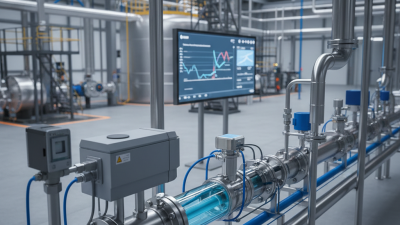
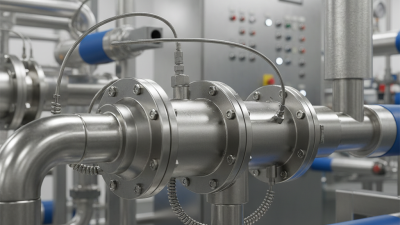
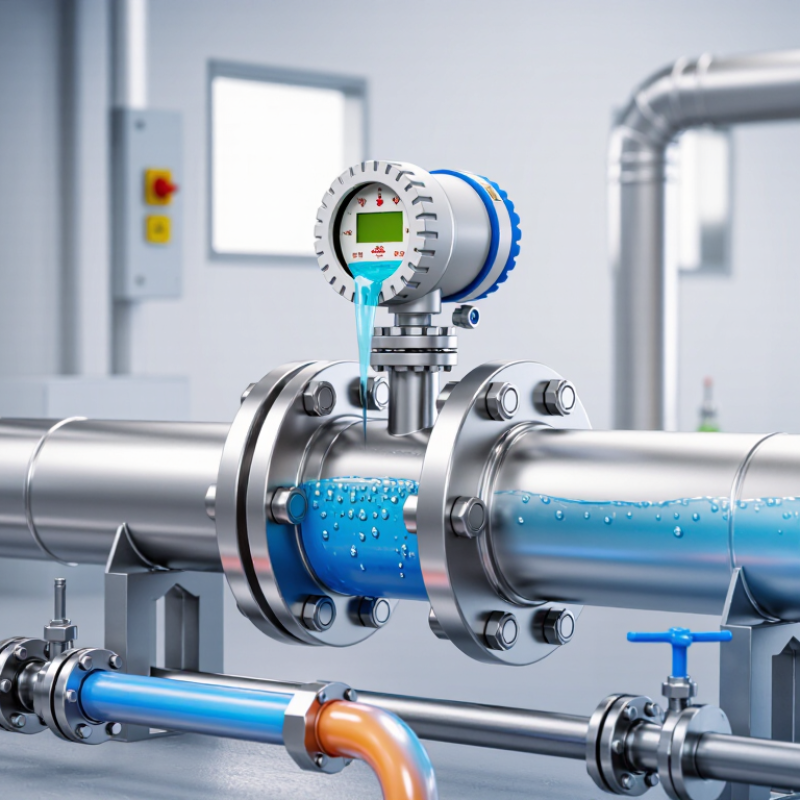
An in-line flow meter is installed directly in a pipe, so the fluid passes through its measuring section. Unlike a clamp-on meter, it contacts the process flow. Inside, a sensor detects a physical effect linked to flow: a turbine’s rotation, a magnetic field’s response, or ultrasound traveling through the fluid. Electronics convert that signal into a flow rate, such as liters per minute, and may also calculate total volume.

The details matter. Turbine meters suit clean, steady liquids; particles can foul moving parts. Electromagnetic meters work with conductive liquids, while ultrasonic models can avoid moving components. Each has limits. Pipe diameter, pressure, temperature, fluid properties, and installation straight-run requirements can affect accuracy. A meter that fits the pipe may still be a poor fit for the process. That is easy to overlook.

The U.S. Department of Energy’s Improving Compressed Air System Performance sourcebook reports that compressed air uses about 10% of electricity consumed by U.S. manufacturers. That figure is not a flow-meter performance claim, but it shows why reliable measurement can matter when tracking industrial utility use. For a real installation, compare the meter’s stated accuracy and operating range with expected conditions, then verify readings against a suitable reference. Even a careful setup can reveal surprises. A small installation error can persist unnoticed.

Key Benefits of Measuring Flow Directly in a Pipe

An in-line flow meter measures fluid moving through the pipe, rather than estimating flow from pump speed or valve position. That gives operators a direct reading at the point of use. It can help verify a dosing rate, balance cooling loops, or spot a gradual loss of flow across a filter. The U.S. Department of Energy’s Improving Pumping System Performance: A Sourcebook for Industry reports that pumping systems account for nearly 20% of global electricity demand, and 25–50% of energy use in some industrial operations. A flow reading alone will not cut energy use. But comparing measured flow with operating targets can reveal unnecessary throttling or changing system performance.

Installation details matter. A meter may need a full pipe and a specified length of straight pipe before the sensor; an elbow just upstream can disturb the flow and affect readings. Small details matter. Choose a meter for the actual fluid, temperature, pressure, pipe size, and required accuracy. Also check its pressure drop, especially in systems that run continuously. Direct measurement makes troubleshooting more concrete, but it does not remove the need for calibration or sensible placement. Even a clean digital display can give misleading confidence if the meter is poorly matched to the process.

Why Choose an In-Line Flow Meter for Your Application?

Key benefit: measuring flow directly in a pipe provides a flow-rate reading based on the fluid moving through the measurement point.

The values show the theoretical relationship between average fluid velocity and volumetric flow in a circular pipe with a 50 mm internal diameter. Flow rate is calculated as pipe cross-sectional area × average velocity; actual readings depend on the meter, fluid, and installation.

Applications Suited to In-Line Flow Measurement

In-line flow meters suit applications where a pipe remains full and operators need readings without diverting the process. They are common in water treatment, building services, and production lines. In a treatment plant, for example, a meter can track flow through a full pipe carrying filtered water. Operators can compare readings across shifts and spot changes that may signal a blockage or a pump issue. A stable reading helps. It does not explain every process problem.

Heating and cooling systems also benefit from in-line measurement. A meter installed on a circulating water loop can help technicians check whether flow matches equipment requirements. In manufacturing, continuous readings can support dosing, batching, or process control, especially when flow changes affect product consistency. The right meter depends on the fluid, pipe size, temperature, pressure, and required accuracy. Not always an easy choice.

Installation conditions matter as much as the meter itself. Air pockets, nearby bends, vibration, or a partly filled pipe can distort readings, depending on the measurement technology. Before selection, confirm the pipe layout and fluid properties, then check the manufacturer’s installation guidance. Leave enough straight pipe where required. In practice, site conditions sometimes differ from drawings, so verify them before ordering.

Factors to Consider When Selecting a Meter

Why Choose an In Line Flow Meter for Your Application?
Factors to Consider When Selecting a Meter

Selecting an in-line flow meter starts with the fluid, not the catalog. Water, oils, gases, and slurries behave differently inside a pipe. Viscosity, density, temperature, and suspended solids can affect measurement performance. Know the fluid. Then compare its normal and peak flow rates with the meter’s operating range. A meter sized only for average flow may struggle during startup or short bursts. Check the pipe diameter and process pressure as well; adapters can add cost and create unwanted pressure loss.

Accuracy matters, but so does installation. Some meters need straight pipe runs before and after the sensor to reduce turbulence. Nearby pumps, elbows, and partly closed valves may disturb the flow. Measure the available space before ordering. Small details matter. Confirm that wetted materials suit the fluid and cleaning routine, and check the limits for temperature and pressure. Consider the required output, display, and connection to existing controls. A meter with excellent laboratory accuracy may give disappointing readings in a vibrating, crowded pipe. Calibration records and a realistic maintenance plan help reveal drift over time, though service needs are easy to underestimate. When possible, compare expected performance under actual operating conditions, not just ideal test conditions.

Installation and Maintenance Requirements

Why Choose an In Line Flow Meter for Your Application?
Installation and Maintenance Requirements

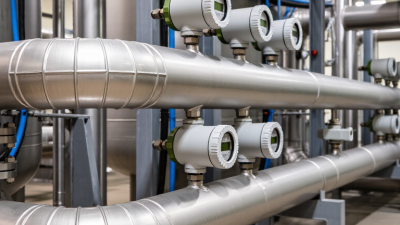
An in-line flow meter measures fluid as it travels through the pipe, so installation conditions directly affect readings. Confirm the meter suits the fluid, temperature, pressure, and expected flow range. Follow its specified straight-pipe lengths; nearby elbows, pumps, or partly closed valves can disturb flow. Keep the pipe full where required, and consider whether air or sediment could collect at the sensor. The awkward truth: even a capable meter cannot compensate for poor piping.

Maintenance should match the process, not an arbitrary calendar. Check for leaks, buildup, damaged wiring, and changing readings; compare results with a trusted reference when accuracy matters. Calibration intervals depend on fluid properties, operating conditions, and required measurement uncertainty. The U.S. Department of Energy’s Improving Pumping System Performance sourcebook reports that pumping systems use 25–50% of energy in some industrial facilities. That figure is not a promise of meter-driven savings, but reliable flow data can help teams spot unusual process changes. Small details matter.

Tips: Before installation, mark the flow direction and confirm the pipe is accessible for inspection. Keep a simple record of calibration, cleaning, and process changes. If readings seem inconsistent, check for air, deposits, or disturbed flow before assuming the meter has failed.

Why Choose an In Line Flow Meter for Your Application? – Installation and Maintenance Requirements

Meter Type Typical Installation Requirements Fluid and Pipe Considerations Maintenance Requirements Best-Suited Applications
Electromagnetic Install with the measuring tube full. Grounding and correct electrode orientation are important. Straight-run needs depend on upstream fittings and the meter design. Conductive liquids only. The liner and electrodes must be compatible with the fluid; avoid use where the pipe can run partially full unless the meter is designed for it. Generally low routine maintenance. Inspect electrode condition where coating or buildup is possible, and verify grounding, wiring, and calibration periodically. Water, wastewater, slurries, and other conductive liquids.
Inline ultrasonic, transit-time Provide the manufacturer-recommended straight pipe runs and install in the specified flow direction. Keep the pipe full and avoid nearby sources of vibration where possible. Works best with clean liquids that transmit ultrasonic signals reliably. Gas bubbles, suspended solids, or deposits can affect measurement, depending on the design. Check signal quality, connections, and calibration. Inspect the measuring section if deposits, corrosion, or changes in fluid conditions may affect performance. Clean-liquid measurement where low pressure loss is desirable.
Turbine Use straight pipe runs as specified by the manufacturer; upstream flow conditioners may be needed after elbows, valves, or reducers. Install in the stated orientation. Requires a relatively clean fluid and a stable flow profile. Particles can damage or obstruct the rotor; viscosity changes may affect accuracy. Periodic inspection of the rotor and bearings may be necessary. Use filtration where appropriate and verify calibration at the required intervals. Clean, low-viscosity liquids or gases with steady flow.
Coriolis Support the meter and connected piping to limit mechanical stress. Follow orientation and vibration guidance; straight-run needs are often modest but are model-specific. Measures mass flow directly. Confirm that pressure, temperature, fluid properties, and possible entrained gas are within the meter’s operating limits. Usually limited routine maintenance. Check zero stability, mounting, wiring, and process buildup; schedule verification or calibration according to process requirements. Applications needing direct mass-flow measurement or multiple fluid measurements from one device.
Vortex Install with the specified straight runs and maintain the required sensor orientation. Avoid locations with excessive pipe vibration or strongly pulsating flow. Suitable for liquids, gases, and steam within the meter’s specified operating range. Stable flow and adequate velocity are important for reliable readings. Inspect the sensor and pipe for buildup or damage. Check wiring and vibration conditions, and verify the meter when process accuracy requirements call for it. Steam, gases, and compatible liquids in process and utility lines.

Installation note: Straight-run lengths, orientation, pressure and temperature limits, and service intervals vary by meter model and process conditions. Always follow the instrument manufacturer’s installation manual and applicable site procedures.