
Top Water Flow Meter Types for Global Buyers?
Choosing the right Water Flow Meter can influence billing accuracy, process stability, and maintenance costs. Global buyers face many options, including electromagnetic, ultrasonic, turbine, vortex, and positive displacement meters. Each type responds differently to water quality, pipe size, flow speed, pressure, and installation conditions.
Real projects often reveal details that product sheets overlook. A magnetic meter suits conductive water and has no moving parts, reducing mechanical wear. An ultrasonic meter can support temporary measurements without cutting the pipe. Turbine meters may provide strong accuracy in clean water, but suspended particles can affect their internal components. Positive displacement meters can measure low flows well, although pressure loss requires careful review. Small details matter.
The best choice depends on verified operating data, not popularity alone. Buyers should check accuracy claims, calibration records, material compatibility, communication options, and local service support. Independent testing and recognized standards can improve confidence, especially when equipment crosses national markets. Yet specifications do not replace field judgment. That assumption can fail.
A practical evaluation should include photographs of the pipeline, expected minimum and maximum flow, water temperature, and available straight-pipe length. Engineers should also consider installation access and future maintenance. Digital connectivity may help operators identify leaks, but only when sensors are configured correctly. Data without context can mislead. No selection is perfect.
This guide compares leading Water Flow Meter types for global buyers. It focuses on measurable performance, practical installation, long-term reliability, and common limitations. The goal is not to promote one technology. It is to support a careful decision based on real conditions.
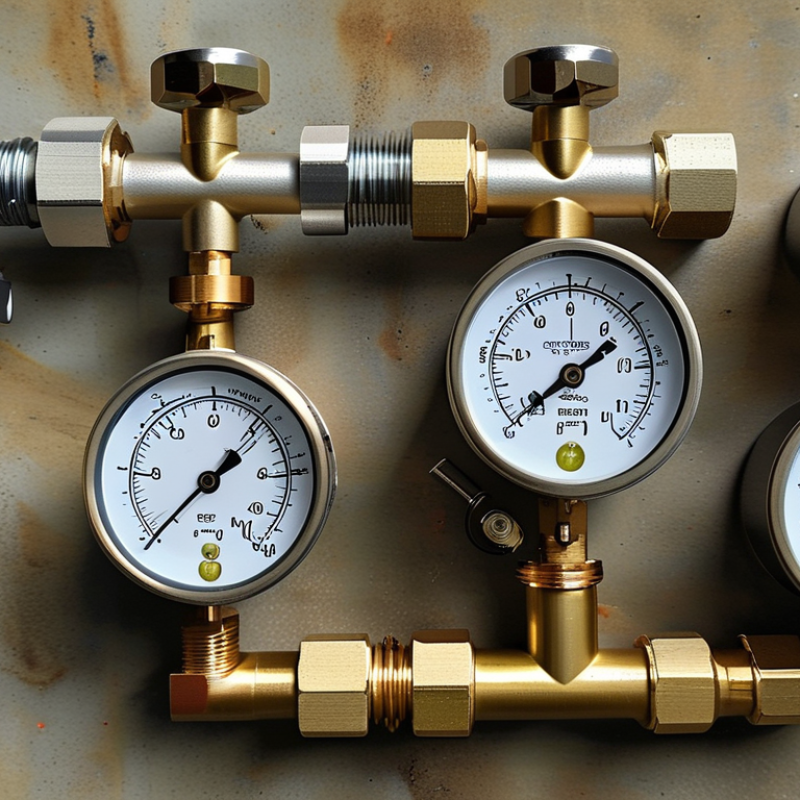
What Water Flow Meters Measure and Why Their Type Matters
A water flow meter measures how much water passes through a pipe during a specific period. It may display instantaneous flow, such as litres per minute, or accumulated volume, such as cubic metres. This information supports billing, leak detection, irrigation control, cooling systems, and process management. A reading is only useful when the meter suits the water and pipe conditions.
Meter type matters because water is not always clean, steady, or electrically conductive. Mechanical meters use moving parts and can work well in smaller pipes, but sand may increase wear.
Electromagnetic meters have no internal moving parts and suit conductive water, although they need correct grounding and a full pipe. Ultrasonic meters measure flow through sound signals and can reduce pressure loss, yet installation quality strongly affects results.
In practice, a slightly cheaper meter can become expensive if air pockets, vibration, or poor alignment distort readings. No meter is perfect.
Tips: Check pipe diameter, flow range, water temperature, pressure, conductivity, and suspended particles before selecting a type. Leave enough straight pipe near the meter, and follow the installation instructions carefully. Test the reading against a known container when possible. That simple check can reveal trouble. Buyers should also review calibration records, material compatibility, output options, and local approval requirements. I would not choose from flow range alone; field conditions often matter more than the catalogue headline.
How Water Flow Meters Are Classified by Measurement Method
Water flow meters are classified mainly by how they measure movement, not by housing size or connection type. The main methods are mechanical, electromagnetic, ultrasonic, and differential-pressure measurement. Each behaves differently in real water systems.
Mechanical meters use an impeller or turbine. They suit clean water and moderate budgets, but sand can wear moving parts.
Electromagnetic meters measure voltage created when conductive water crosses a magnetic field. They have no internal obstruction and perform well in wastewater, irrigation, and partially dirty water.
Ultrasonic meters calculate flow from sound-time differences. Clamp-on versions can be installed without cutting a pipe, although air bubbles, poor alignment, or heavy scale may reduce accuracy.
Differential-pressure meters infer flow from pressure loss across an orifice or similar restriction. They are proven, but they consume pumping energy.
The United Nations World Water Development Report 2024 states that agriculture accounts for roughly 70% of global freshwater withdrawals. That makes reliable irrigation measurement more than a procurement detail.
The WHO and UNICEF Joint Monitoring Programme reported that 2.2 billion people lacked safely managed drinking water in 2022. In expanding networks, measurement errors can hide leakage and uneven supply.
Field inspections often show a practical weakness: buyers compare accuracy percentages but overlook straight-pipe requirements, water conductivity, and maintenance access. A meter can be technically accurate yet poorly matched to the installation.
Regrettably, no single method wins everywhere.
The Main Water Flow Meter Types and Their Best Uses
Top Water Flow Meter Types for Global Buyers?
The Main Water Flow Meter Types and Their Best Uses
Choosing a water flow meter starts with the water, not the catalog. Electromagnetic meters suit conductive water in full pipes. They have no internal moving parts, so pressure loss stays low. Ultrasonic meters measure flow through sound signals. Clamp-on models can be installed without cutting the pipe. This helps during temporary surveys or retrofit projects. However, poor pipe contact can reduce reading stability.
Mechanical meters remain practical for clean water and smaller pipelines. Turbine meters respond well to steady flow, but sand and debris may wear their moving parts. Multi-jet meters often serve building-level water measurement. They can perform reliably when installed with suitable strainers. Maintenance access matters more than many buyers expect.
For open channels, ultrasonic level-based systems can estimate flow without blocking the water path. Industrial wastewater may require electromagnetic measurement because suspended solids can affect mechanical devices. Check pipe diameter, flow range, conductivity, temperature, and installation space before ordering. I have seen accurate meters perform poorly after installation near pumps or sharp bends. Straight pipe requirements are easy to overlook. No meter is perfect. A careful site survey usually prevents expensive corrections, although some projects still need field calibration.
How to Compare Accuracy, Materials, Installation, and Maintenance
Top Water Flow Meter Types for Global Buyers
Choosing a water flow meter starts with the application, not the product label. Electromagnetic meters suit conductive water and tolerate suspended particles without moving parts. Ultrasonic meters can measure clean water externally, reducing pipe cutting and shutdown time. Turbine meters provide responsive readings, but debris may wear their internal rotor. Positive displacement meters handle changing flow well, although pressure loss can be higher. Real conditions matter.
Compare accuracy across your actual flow range, not only the best laboratory figure. Ask for repeatability, minimum measurable flow, and a traceable calibration certificate. A meter accurate at 100 cubic meters per hour may perform poorly at three. Field teams often see this mismatch create billing disputes. Check wetted materials against temperature, chlorine, salinity, and water chemistry. Stainless steel, engineered polymers, and linings age differently. Stronger metal is not always safer.
Installation also changes results. Keep recommended straight-pipe lengths, prevent air pockets, and place sensors where the pipe stays full. Verify grounding for electromagnetic designs and signal quality for ultrasonic units. Maintenance should include filter inspections, leak checks, zero verification, and periodic recalibration. Choose accessible connections and readable displays. Remote sensors reduce routine access, but troubleshooting may become harder. Document the first month’s readings against a trusted reference. That step is easy to skip. It should not be.
How Global Buyers Can Choose Compliant Flow Meter Solutions
Top Water Flow Meter Types for Global Buyers
Choosing a compliant flow meter starts with the water, pipe, and destination market. Electromagnetic meters suit conductive water and handle large pipes well. Ultrasonic meters offer non-invasive installation and low pressure loss. Turbine meters can provide accurate readings in clean, stable flows. Positive displacement meters work effectively at lower flow rates, but debris may affect performance.
Global buyers should verify more than advertised accuracy. Check pressure ratings, temperature limits, wetted materials, enclosure protection, and electrical compatibility. Potable water projects may require approved materials and hygiene documentation. Industrial systems may need EMC testing, traceable calibration, or country-specific measurement approvals. Ask for test reports, calibration records, installation instructions, and a declaration of conformity. A certificate alone does not prove suitability.
Tips: Match the meter to actual pipe conditions, not only the catalog range. Confirm water conductivity before selecting an electromagnetic model. For ultrasonic meters, inspect air bubbles, pipe lining, and available straight-run length. Review local import, labeling, and safety requirements early. Small details matter. From field experience, many failures begin with incomplete site data. I have also seen buyers overvalue a low purchase price, then face expensive rewiring or inaccurate readings. That choice may look efficient, but it deserves a second review.
Related Posts
-
Ultimate Guide to Understanding Irrigation Flow Meters: Key Insights from Industry Experts and Data
-
Driving Innovation in Water Management Solutions at the 138th Canton Fair 2025 with Clamp On Water Flow Meters
-
What is a Digital Water Flow Meter and How It Improves Water Management Efficiency
-
China Best Chemical Flow Meter for Global Buyers?
-
Top Liquid Flow Meter Tips for Accurate Measurement Solutions?
-
2026 Best Magnetic Flow Meter for Accurate Measurement?
