2026 Top Non Contact Flow Meter Types for Global Buyers

For 2026, global buyers are looking beyond simple flow readings. They need dependable measurement without cutting pipes, stopping production, or exposing sensors to aggressive media. A Non Contact Flow Meter offers this advantage by measuring from outside the pipe or above an open channel. Ultrasonic, radar, and laser-based systems serve different operating conditions. Each type has practical strengths and clear limitations.

Ultrasonic meters work well on many full pipes, especially where fluid contact must be avoided. Transit-time models suit cleaner liquids, while Doppler models can handle suspended particles or bubbles. Radar meters are often preferred for open channels, wastewater, and changing water levels. Their performance depends on surface conditions, mounting height, signal reflection, and weather protection. Small installation errors matter.

Reliable selection starts with the application, not the product brochure. Buyers should verify pipe material, wall thickness, fluid temperature, flow range, turbulence, and expected solids. They should also review calibration records, measurement uncertainty, IP ratings, communication protocols, and after-sales support. Independent testing and traceable documentation add confidence. In my experience, supplier claims can look precise but remain incomplete without site data. No meter is perfect. A highly accurate device may still fail when installed near a pump, valve, or sharp bend. This guide compares leading Non Contact Flow Meter types for industrial plants, water systems, irrigation networks, and process monitoring. It focuses on measurable performance, installation reality, lifecycle value, and the questions buyers should ask before placing a global order. The best choice is rarely the most expensive one. It is the one that remains stable, serviceable, and honest under real operating conditions.
2026 Top Non Contact Flow Meter Types for Global Buyers

How Non-Contact Flow Meters Measure Fluid Movement

A non-contact flow meter estimates fluid movement from outside a pipe or channel, so the sensor does not touch the flowing liquid. This can be useful when a process is corrosive, abrasive, or difficult to access. The instrument detects a physical signal, such as sound waves or changes in the fluid’s surface, then converts that signal into a flow estimate.

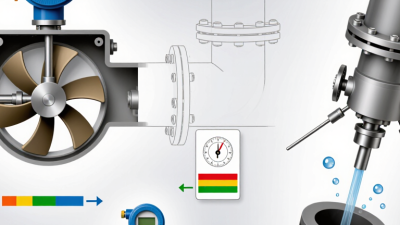
Ultrasonic transit-time meters send sound pulses both with and against the flow. The downstream pulse arrives slightly sooner; the difference helps calculate velocity. Doppler meters use sound reflected by particles or bubbles moving in the liquid. For open channels, radar sensors track surface speed without entering the water. Small details matter: pipe material, wall thickness, bubbles, and sensor alignment can affect readings. Check the installation conditions.

These meters do not measure every situation equally well. A clean liquid may suit transit-time measurement, while a particle-rich stream may provide stronger Doppler reflections. Radar can help where contact is impractical, but surface turbulence may complicate results. I have seen teams treat a quick reading as definitive; that is a weak habit. Compare readings with known operating conditions and document uncertainty.

Top Non-Contact Flow Meter Types Available in 2026

Top Non-Contact Flow Meter Types Available in 2026

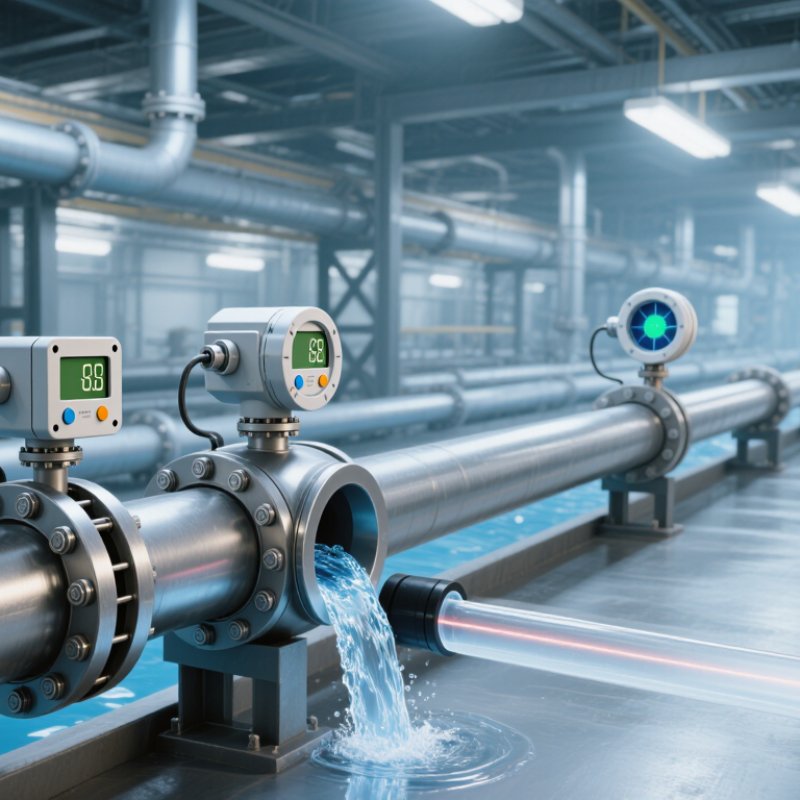
Clamp-on ultrasonic meters are a practical choice when pipes must remain sealed.

Their transducers attach to the outside wall and estimate flow from sound traveling with and against the liquid. They suit water, wastewater, and many process lines, but performance depends on pipe material, wall thickness, fluid condition, and installation. Air bubbles can complicate readings. So can a poorly prepared pipe surface. Transit-time models work best with relatively clean liquids; Doppler models can handle suspended particles, but need reflectors in the flow.

Radar meters measure surface velocity without touching the water.

They are useful in open channels, rivers, and partly filled conduits, especially where mounting equipment in the flow is difficult. Laser Doppler systems also measure velocity remotely, though they typically need a clear optical path and careful setup. These devices measure velocity, not automatically the full flow rate: channel geometry and water level still matter. Small errors there can become large discharge errors.

For market context, MarketsandMarkets’ Flow Meter Market report estimated the overall market at USD 6.5 billion in 2023, with a projection of USD 8.3 billion by 2028.

That figure covers multiple meter technologies, not non-contact models alone. Buyers should compare operating conditions, verification methods, and total installation effort—not just catalog accuracy. A clean specification can still miss a messy field detail.

Key Performance Differences Among Non-Contact Flow Meter Types

Non-contact flow meters differ mainly in what they sense. Clamp-on ultrasonic meters send signals through a pipe wall. Transit-time models compare upstream and downstream travel times, making them suitable for clean liquids and full pipes. They can provide stable readings without cutting the line. Pipe material, wall thickness, and installation quality still matter. Small details count.

Doppler ultrasonic meters detect sound reflected by particles or bubbles moving in the liquid. They often work better with wastewater or slurries than transit-time models, but need enough reflective material. A nearly clear liquid may produce weak signals. That limitation is easy to overlook.

For open channels, radar meters track surface velocity without touching the water. They respond quickly and avoid fouling, though waves, foam, and changing flow patterns can affect readings. Ultrasonic level-based systems measure water depth, then estimate flow using channel shape and a rating curve. They can suit calm, well-defined channels, but deposits or vegetation may alter the relationship. Field checks are wise. No type is best in every setting; matching the sensor to the fluid, pipe, or channel usually matters more than headline accuracy.

How to Select a Non-Contact Flow Meter for Global Applications

How to Select a Non-Contact Flow Meter for Global Applications

Choosing a non-contact flow meter starts with the fluid, pipe, and installation environment. Transit-time ultrasonic meters suit clean liquids in full pipes. Doppler ultrasonic meters perform better when suspended solids or bubbles are present. Open-channel radar meters help measure canals, drains, and partially filled channels. In field commissioning, pipe lining, air pockets, and poor sensor alignment often create larger errors than the meter specification. A perfect meter rarely exists.

MarketsandMarkets reported that the global flow meter market was valued at over USD 8 billion in 2023, with digital measurement driving demand. Grand View Research also identifies ultrasonic technology as a major growth segment. These figures suggest wider adoption, but they do not replace site testing. Buyers should compare accuracy across the actual Reynolds number range, not only the headline percentage. Check ambient temperature, pressure, pipe material, signal output, and local certification requirements. For remote sites, low power use and reliable data logging may matter more than laboratory accuracy.

Tips: Request a traceable calibration certificate, preferably linked to an ISO/IEC 17025 laboratory. Ask for installation drawings and a wet-flow test when uncertainty is high. Confirm whether the device handles changing conductivity, sediment, or temperature. Do not ignore maintenance access. That mistake is common. For global projects, verify metric units, communications compatibility, cybersecurity controls, and regional approval rules before purchase. A lower initial price can become expensive when recalibration, adapters, or field troubleshooting are required.

Global Buying Factors for Non-Contact Flow Meters in 2026

Global buyers choosing a non-contact flow meter in 2026 should start with the measurement conditions, not the product category. Pipe material, diameter, wall thickness, fluid temperature, and flow range all affect performance. For example, a clamp-on ultrasonic meter may suit a full metal pipe, but poor sensor placement or a thick lining can weaken the signal. Check whether the supplier provides installation guidance for the actual pipe configuration.

Accuracy figures need context. Ask how performance changes at low flow, during rapid fluctuations, and across the expected temperature range. Also compare the stated uncertainty with your process requirements. A neat specification sheet is not enough. Request calibration information, test conditions, and details about signal processing. If a meter will monitor wastewater or a partially filled channel, confirm that its design supports those conditions; not every non-contact instrument does.

Consider the whole operating environment. Outdoor sites may need robust enclosures, stable communications, and displays that remain readable in direct sunlight. In remote regions, spare sensors and local technical support can matter more than a small difference in purchase price. Check compatibility with existing control systems before ordering, including output types and data protocols. Keep the maintenance plan realistic. Non-contact does not mean maintenance-free; sensors can shift, surfaces can collect deposits, and readings should be checked against process observations. That part is easy to overlook. A careful trial at one representative site can reveal problems that a catalogue cannot.

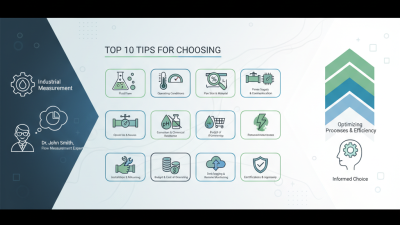
The chart shows a qualitative planning assessment, not survey results or market-share data. Priorities vary by application: verify pipe or channel conditions, fluid properties, required accuracy, installation constraints, and applicable standards before selecting a meter.