What is a Water Flow Sensor and How Does It Work?
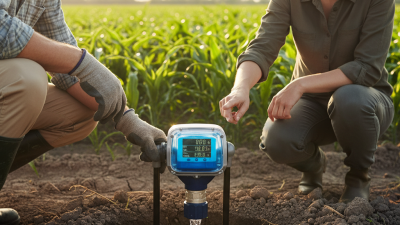
A Water Flow Sensor is a crucial device in various industries, from agriculture to smart home technology. It measures the flow rate of water and provides valuable data for efficient water management. According to Dr. Emily Rivera, an expert in water management technology, "The Water Flow Sensor is the backbone of modern irrigation systems." This highlights its significance in optimizing water usage.
As the world faces increasing water scarcity, the role of a Water Flow Sensor becomes pivotal. These sensors help monitor and control water usage, ensuring resources are utilized wisely. They provide real-time data, allowing users to make informed decisions. However, many still overlook their importance.
Understanding how a Water Flow Sensor works isn't just for engineers. Homeowners can benefit too. Often, people fail to grasp its potential. Proper application can lead to substantial water savings and maintenance of healthy ecosystems. This reflection on its impact is essential as we strive for more responsible water practices in our daily lives.
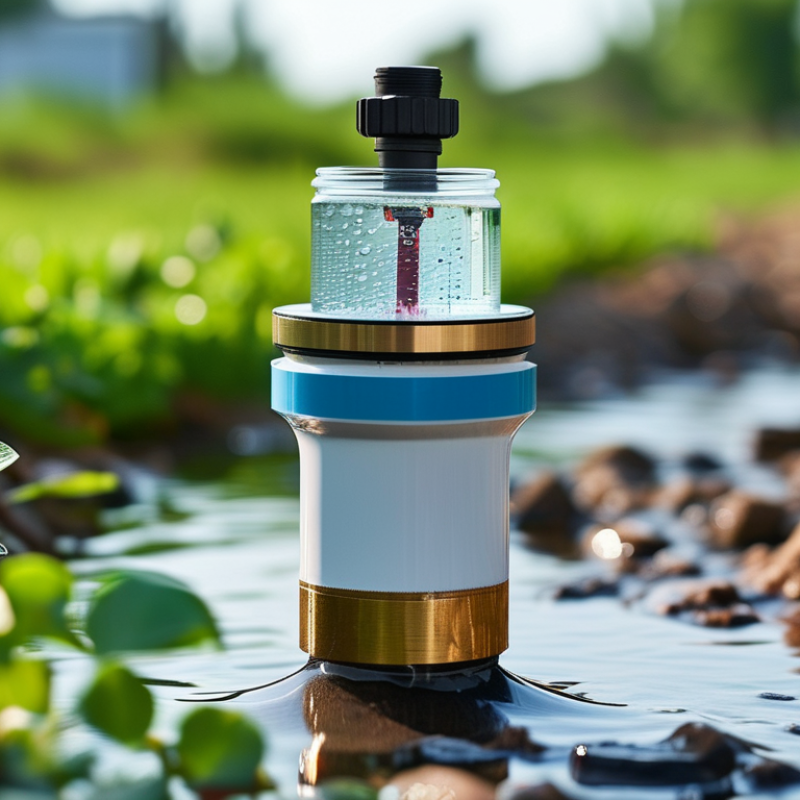
What is a Water Flow Sensor: Definition and Overview
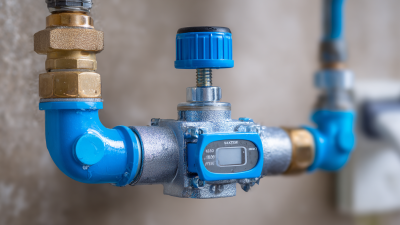
A water flow sensor is a device used to measure the flow rate of water in a system. It captures the movement of water, translating it into data that can be analyzed. These sensors are crucial in various applications, from irrigation systems to industrial processes. Understanding how they function can help us manage water resources effectively.
Water flow sensors work through different mechanisms. Most commonly, they use a turbine or a paddle wheel. As water flows, it spins the turbine or paddle. This motion generates a signal that corresponds to the flow rate. Some sensors might utilize electromagnetic principles for more precise measurements. The choice of sensor depends on the specific requirements of the application, such as accuracy and flow range.
While water flow sensors are valuable, they can have limitations. Environmental factors, like temperature and debris, might affect their accuracy. Regular maintenance is essential to ensure they function optimally. It's essential to reflect on these challenges and choose sensors wisely, as they play a significant role in water conservation efforts.
Types of Water Flow Sensors: Mechanical vs. Electronic
Water flow sensors play a crucial role in various applications, from irrigation systems to industrial processes. Two primary types of water flow sensors exist: mechanical and electronic. Each type has distinct characteristics and applications, which can significantly impact efficiency.
Mechanical water flow sensors, such as turbine and paddlewheel types, operate using moving parts. Water flows through the sensor, causing a blade or rotor to turn. This movement generates a signal proportional to the flow rate. They are often more affordable but can be susceptible to wear and tear over time. Their accuracy may decline, especially with contaminants in the water.
In contrast, electronic water flow sensors leverage advanced technology for measurement. These sensors often use ultrasonic or electromagnetic principles to detect flow. They provide high accuracy and are less impacted by impurities. However, their cost is typically higher, and they may require more complex installation. Understanding these differences can help you choose the appropriate sensor for your needs. Adapting to either type depends on budget, application, and maintenance considerations.
Key Applications of Water Flow Sensors in Industry and Home
Water flow sensors are increasingly essential in various sectors today. In industrial environments, these sensors ensure the efficient operation of machinery by monitoring fluid flow. A report from Research and Markets indicates that the global water flow sensor market size is projected to reach USD 3.8 billion by 2027, growing at a CAGR of 5.6% from 2020. This growth is attributed to rising awareness about water conservation and energy efficiency.
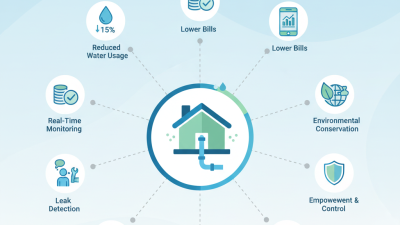
In homes, water flow sensors play critical roles as well. They help in managing water systems effectively and can signal leaks or irregularities. According to a study by the American Society of Plumbing Engineers, water leaks account for approximately 10% of a household's water usage. Sensors that detect flow anomalies can save homeowners significant costs and conserve water, an increasingly vital resource. However, while technology improves, issues like improper installation or calibration feedback can reduce reliability.
Overall, water flow sensors contribute to efficiency, but users need to understand their limitations. With the right knowledge, both industries and households can enhance their water management efforts. Regular maintenance and training on sensor applications remain key challenges.
How Water Flow Sensors Measure Flow Rate: Principles of Operation
Water flow sensors play a crucial role in various applications, from irrigation systems to industrial processes. These devices operate based on the principle of measuring the velocity of water flow. Most commonly, they utilize a turbine or paddle mechanism. As water flows through the sensor, it impels the turbine or paddle to rotate. The speed of this rotation directly correlates with the flow rate. This mechanical movement is then converted into an electrical signal for accurate measurement.
Some sensors employ ultrasonic technology. They send sound waves through the water and measure the time it takes for the waves to reflect back. This method can accurately determine flow rates without moving parts. Nevertheless, factors like temperature and water density can influence the readings.
Installation and calibration of these sensors require careful attention to ensure accuracy. Depending on the setup, incorrect positioning can lead to measurement errors. Regular maintenance checks are essential as debris can cause blockages, affecting performance. Ensuring sensors are working correctly is vital for reliable data collection, which is integral for system efficiency.
Industry Standards and Calibration for Water Flow Sensors
Water flow sensors are vital in many industries, from agriculture to HVAC systems. Understanding industry standards and calibration for these sensors enhances their performance. Accurate flow measurements ensure better resource management and system efficiency.
Calibration is essential for reliable sensor readings. Each manufacturer provides specifications for calibrating their devices. Following these guidelines helps maintain measurement accuracy. Regular calibration can prevent drift over time, providing more consistent data. Accuracy is crucial when water conservation is a priority.
Tips: Always refer to the manufacturer's calibration schedule. Document all calibration results for future reference. Regular recalibration may seem tedious but helps avoid costly errors.
Understanding flow rates in different conditions also aids in sensor calibration. Each environment may produce varying flow dynamics. Be aware of how temperature or pressure changes could affect readings. Adjustments should be made accordingly to ensure precise measurements. A proactive approach can save time and resources in the long run.