How to Use a Turbine Meter for Accurate Flow Measurement?
Accurate flow measurement is crucial across various industries. The Turbine Meter is recognized for its precision in measuring liquid flows. According to a report by the Flow Measurement Society, Turbine Meters can achieve an accuracy of up to ±0.5%. This level of precision is essential for manufacturing processes, chemical applications, and water management.
Expert James W. Harris emphasizes the importance of proper installation and calibration. He stated, "Even the best Turbine Meter will underperform if not installed correctly." This highlights the need for attention to detail during setup. Any misalignment can lead to errors, impacting operational efficiency.
Moreover, it’s vital to consider factors such as viscosity and temperature. These elements can affect the meter's performance. Some operators overlook these details, leading to suboptimal results. Although Turbine Meters provide numerous benefits, users must remain vigilant. Continuous monitoring is required to ensure ongoing accuracy and reliability in flow measurement.
Understanding the Basics of Turbine Meters in Flow Measurement
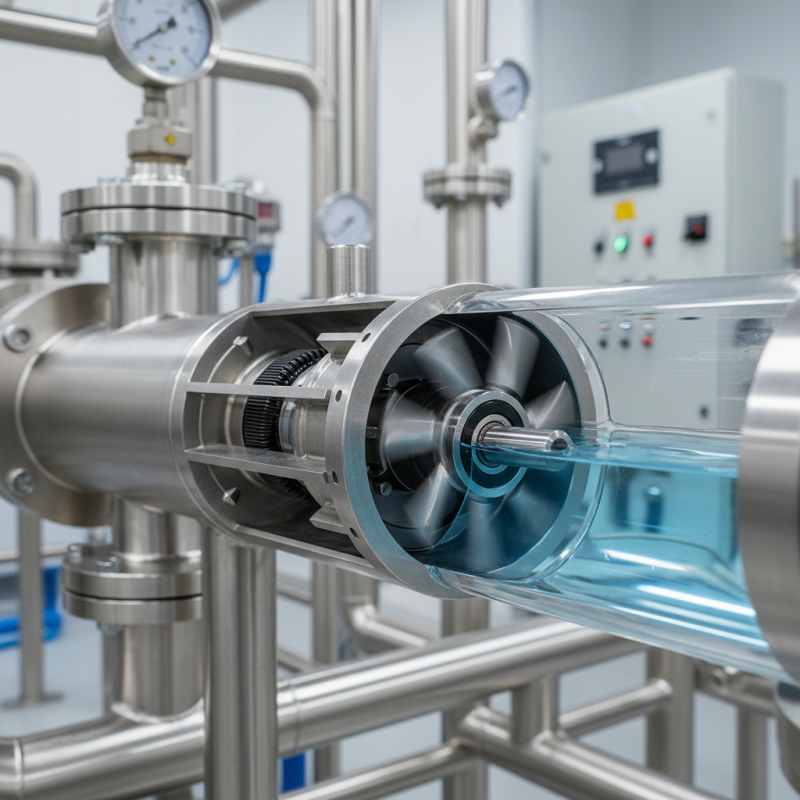
Turbine meters are essential tools in flow measurement. They operate using a rotor that spins as fluid flows through. This spinning creates an output signal that indicates the flow rate.
Simple, yet effective, turbine meters can offer high accuracy when properly calibrated. The design allows them to handle various fluid types, making them versatile in many industries.
However, using a turbine meter correctly involves understanding its limitations. Environmental factors like temperature and viscosity can affect readings. If the flow is too turbulent, it may cause errors. Regular maintenance is necessary to avoid wear on the rotor. Ensuring the device is installed correctly is crucial—incorrect positioning leads to inaccurate results.
Installation often requires thoughtful consideration. The meter should be positioned where flow is consistent. Inadequate straight pipe lengths upstream or downstream can lead to incorrect measurements. Awareness of these details is critical for accurate flow measurement. Understanding the basics is just the start; real learning comes from hands-on experience and sometimes, trial and error.
Components and Functionality of a Turbine Meter
Turbine meters are critical instruments for precise flow measurement in various industries. They consist of several key components. A rotor spins within the meter as fluid passes through. This rotation is proportional to the flow rate. The number of revolutions correlates with the volume of fluid. Data from a recent industry report indicates that turbine meters offer an accuracy of ±0.5% in flow measurement, making them highly reliable.
Another essential component is the body. It houses the rotor and connects to pipelines. The materials used for turbine meter bodies often include stainless steel or plastic. This choice affects durability and resistance to corrosion. Additionally, sensors monitor the rotor’s speed. This data is converted into flow rate readings. However, users should note that calibrating turbine meters can be challenging and sometimes leads to discrepancies. Regular maintenance is necessary to ensure accuracy.
Installation placement is also crucial. If poorly positioned, it can affect performance. Turbulence from nearby pumps or valves can cause errors. Reports suggest that up to 15% of flow measurement inaccuracies stem from improper installations. Thus, attention to these details can significantly impact the efficiency and reliability of flow measurements in operations.
Steps to Install a Turbine Meter for Optimal Performance
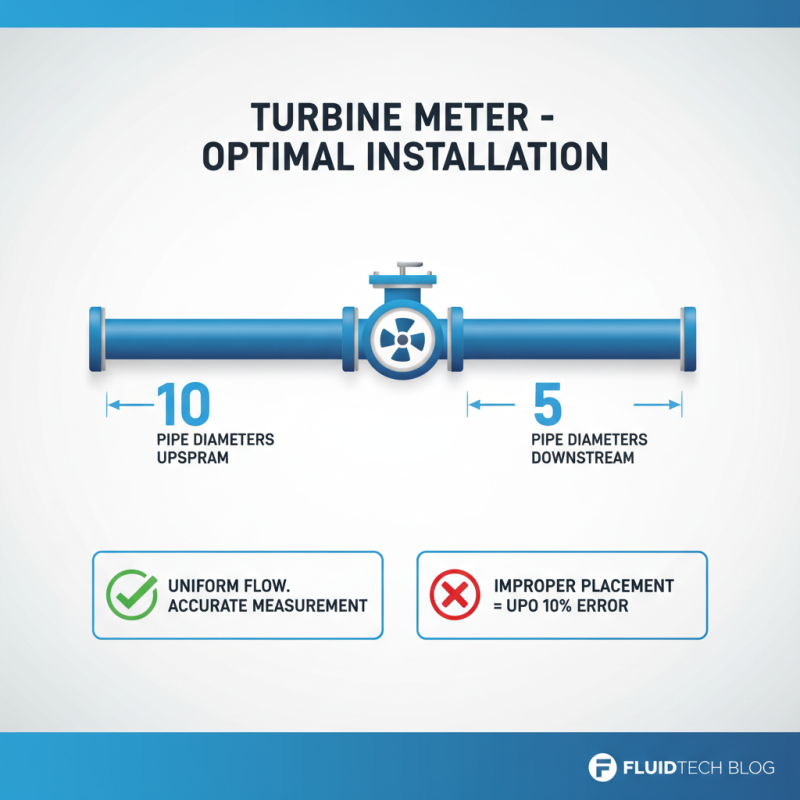
When installing a turbine meter, precise placement is crucial. The meter should be installed in a section of pipe with straight run. Ideally, this run is at least 10 pipe diameters upstream and 5 downstream. This positioning helps maintain flow uniformity. According to recent industry studies, improper installation can lead to measurement errors of up to 10%.
Ensure the meter is level and securely mounted. Vibration can impact performance, as can changes in elevation. Make sure to check for any potential interference from surrounding equipment. Calibration is also key. It's wise to calibrate the turbine meter after installation to ensure accurate readings. Reports indicate that almost 15% of meters are miscalibrated post-installation, which can distort flow data.
Pay attention to maintenance as well. Regular inspections help prevent build-up or damage. However, many facilities overlook this. Neglecting routine checks can result in persistent inaccuracies. In some cases, this has led to operational disruptions. Focusing on these details can lead to long-term efficiency gains and improved accuracy in flow measurements.
Techniques for Calibration and Maintenance of Turbine Meters
When working with turbine meters, proper calibration and maintenance are crucial. Regular checks ensure accuracy in flow measurement. Calibration should be performed using test equipment that meets industry standards. This ensures that the turbine meter functions correctly over time.
Tip: Schedule calibration during downtime. This prevents disruption in flow management. Use the manufacturer's guidelines as a reference. Make adjustments based on the test results.
Regular maintenance is essential. Inspect the meter for wear and tear. Look for debris that could obstruct the flow. Clean the meter as needed. Pay attention to seals and connections to prevent leaks.
Tip: Keep a maintenance log. Document inspections and repairs. This can help identify patterns over time. Make it a goal to address issues promptly, even if they seem minor. Small problems can escalate quickly if ignored.
Keep in mind that environmental factors affect performance. Temperature and pressure changes can lead to inconsistent readings. Regularly review your operational conditions for best results. Adjust accordingly to maintain accurate flow rates.
Interpreting Flow Measurement Data from Turbine Meters
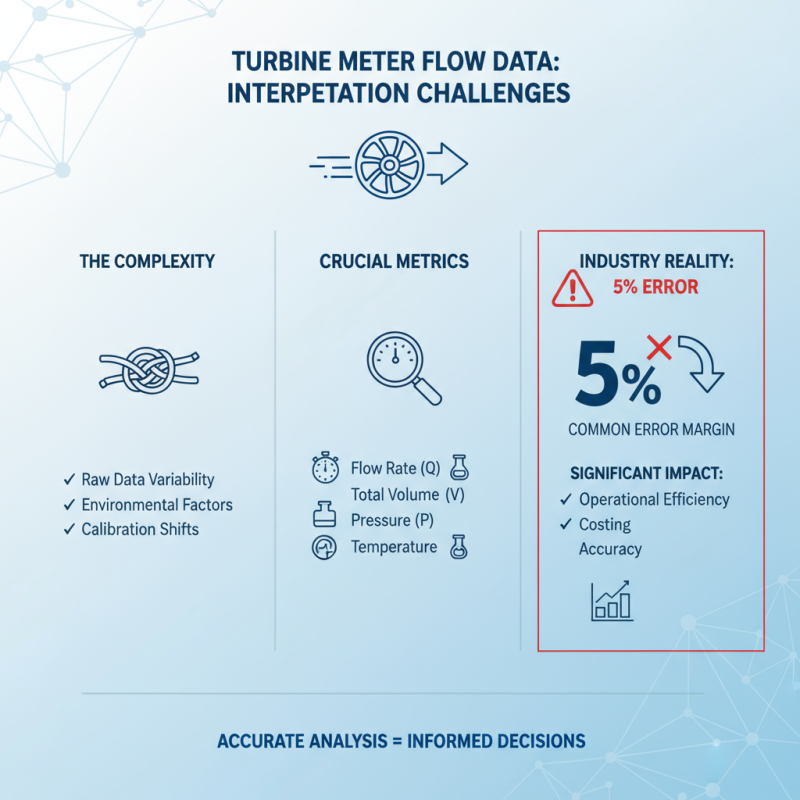
Interpreting flow measurement data from turbine meters can be quite complex. Understanding the metrics is crucial for accurate analysis. According to a recent industry report, a 5% error margin is common in flow measurements. This can significantly impact operational efficiency.
The data typically includes flow rate, totalizer readings, and temperature adjustments. Flow rate often varies with changes in pressure. For example, a turbine meter might show increased readings during high-pressure conditions. However, these variations can also lead to uncertainty. Operators must consider the impact of environmental factors on their readings.
Analyzing trends over time can reveal important insights. For instance, sudden drops in flow can indicate system blockages. Yet, this requires constant monitoring. Many operators overlook maintenance schedules, which could skew data accuracy. Regular calibration is essential but often neglected. This oversight can lead to misleading conclusions.