Top 5 Stainless Steel Chains to Source at Canton Fair 2026?
The demand for Stainless steel chains is steadily increasing. In recent reports, the market for stainless steel chains is projected to grow significantly due to their durability and resistance to corrosion. These characteristics make them essential in various industries, including manufacturing and construction.
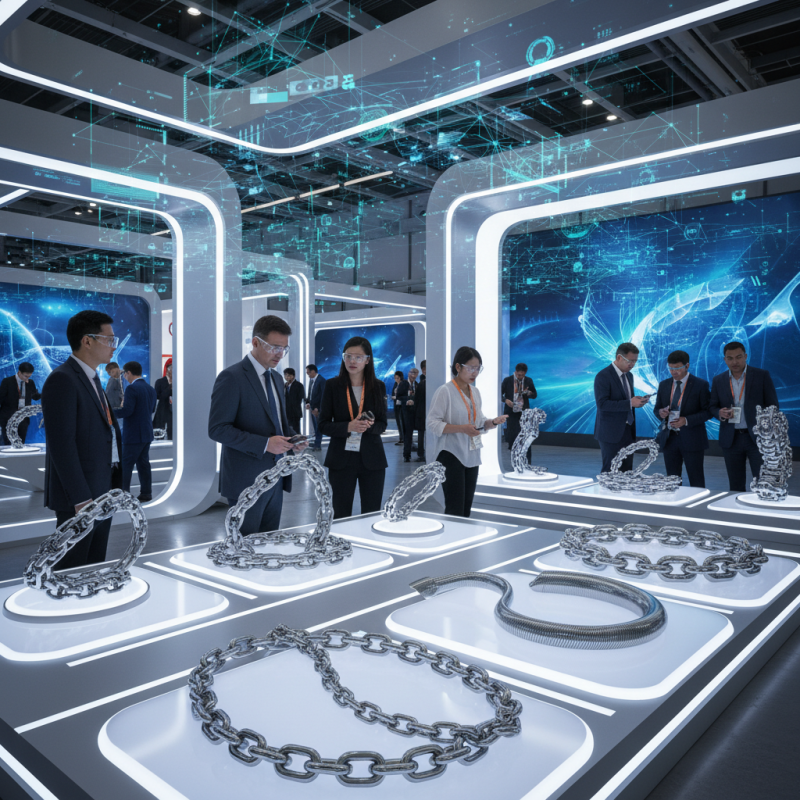
At the 2026 Canton Fair, many suppliers will showcase their latest stainless steel chains. The fair will leverage AI technology to connect buyers with qualified vendors efficiently. This is a game-changer for sourcing, making it easier to find suppliers with necessary certifications like ISO and CE. However, as the competition rises, it is crucial for buyers to carefully assess quality and prices.
Exploring the latest trends in stainless steel chains, such as innovative designs and manufacturing techniques, is vital. These advancements can enhance product offerings and meet customer demands better. Yet, despite the advances, the industry faces challenges, such as fluctuating raw material costs. Such factors require continuous evaluation to remain competitive in a dynamic market.
Top Features to Look for in Stainless Steel Chains
When sourcing stainless steel chains at the Canton Fair 2026, attention to detail is crucial. The right features can make a significant difference in both quality and performance. Look for chains made from 304 or 316 stainless steel. These materials show superior resistance to corrosion. Reports suggest that 316 stainless steel has a higher nickel content, providing extra durability. This is essential for chains exposed to harsh environments.
Consider the manufacturing process as well. Chains should be welded with precision. Poor welding can lead to premature failure. Additionally, check for surface finish. A polished surface reduces friction and enhances lifespan. Industry studies indicate that well-finished chains can last up to 30% longer than their rough counterparts.
Weight capacity is another important feature. Ensure that the chains can handle the intended load without bending or breaking. Data shows that chains rated above 10,000 lbs are better suited for heavy-duty applications. Look for clear markings on load ratings. Remember, misjudging this can lead to dangerous situations. Overall, clarity in specifications is key.
Current Trends in Stainless Steel Chain Design and Applications
Stainless steel chains have gained traction in various industries. Their durability and resistance to corrosion make them ideal for outdoor applications. Many manufacturers are exploring innovative designs, focusing on lightweight yet robust structures. The chains come in various finishes, catering to both functional and aesthetic preferences.
Current trends emphasize customization and versatility. Companies are increasingly leaning towards unique link designs that can be tailored for specific uses. Some chains now feature a mix of matte and shiny finishes to create visual contrast. Innovative coatings are being developed too, enhancing both the appearance and performance.
However, not all designs are practical. Some chains may look striking but lack the necessary strength for heavy-duty tasks. Feedback from users often highlights the importance of balancing style and function. Businesses must constantly reflect on the materials and techniques they adopt. This ensures their products meet industry standards while appealing to consumers' evolving tastes.
Leading Manufacturers to Consider at Canton Fair 2026
As the Canton Fair 2026 approaches, sourcing high-quality stainless steel chains becomes essential for many businesses. Several leading manufacturers will showcase their products at this event, attracting global buyers eager for reliable partnerships. According to market reports, the global stainless steel chain market is projected to grow at a CAGR of 5.1% by 2026. This indicates a growing demand, particularly in sectors such as construction and automotive.
Among the key manufacturers to consider are those focusing on innovative production techniques and high durability standards. Many factories are adopting advanced technologies to enhance their processes. They often use corrosion-resistant steel for longevity and dependability. Buyers should look for manufacturers with a proven track record in quality assurance.
Tips: Pay attention to certifications and compliance with international standards. Visit production facilities when possible. Establishing a personal connection can foster better negotiations.
Some manufacturers may overpromise on delivery times. It is crucial to factor in realistic timelines. Negotiate terms that allow flexibility in case of unforeseen delays. Understanding the manufacturing process can give insight into potential challenges.
Quality Assessment Criteria for Sourcing Stainless Steel Chains
When sourcing stainless steel chains at trade shows like the Canton Fair 2026, quality assessment criteria are crucial. A report from the International Stainless Steel Forum indicates that over 70% of global demand for stainless steel comes from industrial applications. This highlights the importance of selecting high-quality materials that meet industry standards.
Inspecting tensile strength is essential. Many chains fail due to inadequate strength. The minimum tensile strength should be around 800 MPa for industrial use. Look for certifications and testing results. Visual inspection can also reveal imperfections. Small surface scratches might indicate poor manufacturing processes. Quality manufacturers often maintain detailed documentation.
Tips for sourcing: Always ask for samples before committing. Evaluate the finish and construction. Note the weight of the chain; it should feel robust. Additionally, have a knowledgeable inspector accompany you. This ensures you don’t overlook critical details. Making informed decisions now will prevent costly issues later. Remember, not all chains are created equal. Choose wisely.
Top 5 Stainless Steel Chains Quality Assessment
Sustainable Practices in the Stainless Steel Chain Industry
In the stainless steel chain industry, sustainable practices are becoming more critical. Recent reports show that over 80% of manufacturers are adopting eco-friendly processes. This includes using recycled materials, which reduces waste significantly. The use of renewable energy sources is also rising. About 30% of production now comes from renewable energy. However, not every company is on board with these practices.
Many manufacturers still rely on traditional methods that harm the environment. Some chains use high levels of energy and water in their production. This goes against the industry's movement towards sustainability. A study revealed that up to 20% of resources are wasted in high-energy processes. The challenge lies in balancing production demands and environmental responsibility.
Innovation is needed to address these issues. Developing new technologies can improve efficiency and reduce waste. Research indicates that companies investing in sustainable practices see long-term benefits. They not only attract eco-conscious customers but also reduce operational costs. However, the transition can be slow, and many companies struggle to make the necessary changes. There's much work to be done in prioritizing sustainability in the stainless steel chain industry.