Top 10 Industrial Network Switches for Your Business Needs?
In today's rapidly evolving industrial landscape, choosing the right industrial network switch is crucial for businesses. A report from MarketsandMarkets indicates that the industrial Ethernet switch market is expected to grow from $2.5 billion in 2020 to over $4 billion by 2025. This growth reflects the increasing demand for robust network solutions in manufacturing, energy, and transportation sectors.
An industrial network switch plays a vital role in facilitating seamless communication between devices in harsh environments. These switches are designed to withstand extreme conditions, including temperature fluctuations and electrical interference. However, businesses often overlook specific features essential for their unique operations. For instance, many organizations still rely on outdated technologies, hindering their efficiency and productivity.
Selecting the appropriate industrial network switch can be challenging. The variety of options available can overwhelm decision-makers. A poor choice may result in network downtime or security vulnerabilities. Considering factors such as scalability, redundancy, and cybersecurity capabilities is essential for optimizing performance. Understanding these elements can lead to improved operations and reduced costs in the long run.
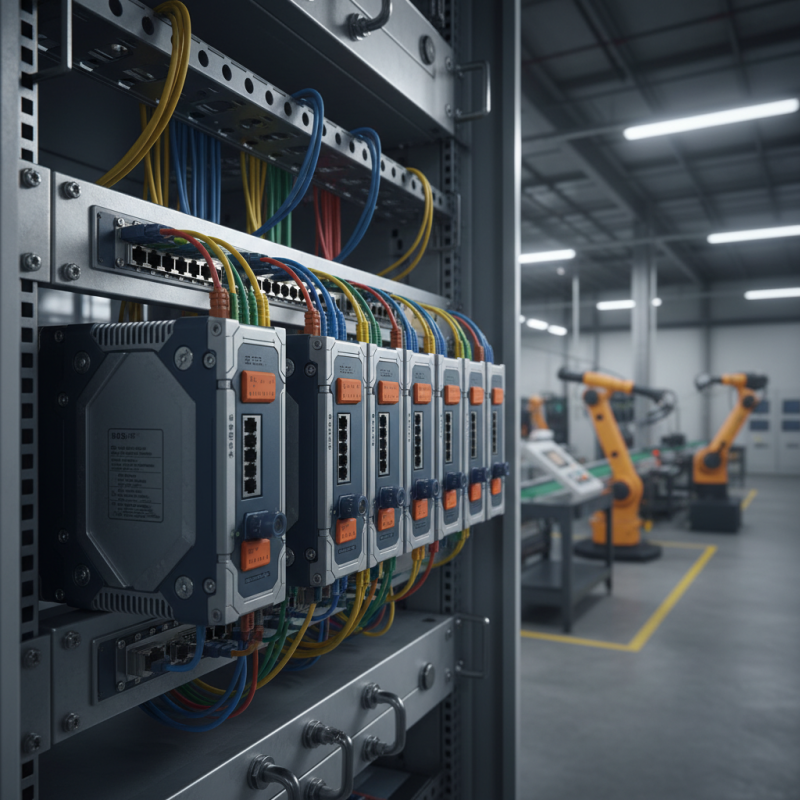
Overview of Industrial Network Switches and Their Importance
Industrial network switches play a crucial role in today’s business infrastructure. They connect various devices and ensure efficient communication between them. Reliable connectivity is essential for operations in factories, warehouses, and other industrial environments. Poor connectivity can lead to downtime and lost productivity. This can be costly for any organization.
These switches are designed to withstand harsh conditions. They often feature rugged enclosures to protect against dust and moisture. Furthermore, they support various protocols to ensure seamless integration with existing networks. Businesses must consider their specific needs when selecting the right switch. It can be overwhelming due to the wide array of options available. An ideal switch should enhance network reliability. Yet, choosing one may require careful evaluation of features.
One essential aspect is redundancy. Some switches come with built-in redundancy features to minimize failure risks. While this enhances reliability, businesses should understand the associated costs. Installing multiple switches can strain budgets. However, the investment may be justified by the increased uptime. Finding the right balance between cost and performance is vital. Many organizations struggle with this decision. It’s an ongoing challenge, reflecting the need for thorough research and understanding.
Key Features to Consider When Choosing an Industrial Network Switch
When selecting an industrial network switch, several key features stand out. For example, reliability is crucial. These switches often operate in tough environments. They face extreme temperatures, dust, and moisture. A robust housing helps ensure longevity. Look for options with a good IP rating. It indicates how well they resist such conditions.
Performance matters too. Many switches offer fast data transfer rates. This is essential for industrial applications. Reduced latency can prevent data bottlenecks. Quality of Service (QoS) is also vital. It prioritizes critical data traffic, which enhances overall efficiency.
Scalability should not be overlooked. As a business grows, so do its networking needs. Switches that support expansion will save future costs. Security features also play a pivotal role. With cyber threats rising, built-in protections are a must. Regularly updating firmware is essential for maintaining security. Review these aspects carefully to ensure you make the right choice.
Top 10 Recommended Industrial Network Switches for Different Applications
When choosing industrial network switches, understanding their application is crucial. Different environments demand unique features. For instance, a switch in a manufacturing plant will face harsh conditions, unlike one in an office. The market analysis suggests that over 55% of industrial infrastructures need reliable and robust networking solutions. Thus, it’s vital to select switches based on durability and performance.
Longevity is key. Many industrial switches offer extended lifespans, handling temperatures from -40°C to 75°C. This specification can significantly improve system reliability. Additionally, up to 80% of industrial networks require flexible configurations to adapt to varied applications. From Ethernet to fiber optics, options should be versatile enough to accommodate changing operational demands. The statistics highlight that a staggering 70% of industrial network failures happen due to improper switch selection.
Moreover, security features cannot be overlooked. In industrial settings, data breaches can lead to significant downtime. As reported, nearly 65% of firms experience increased risks after inadequate security measures. Companies should prioritize switches equipped with advanced security protocols. However, many still underestimate this critical aspect and face dire consequences. Selecting the right industrial network switch is not just a technical choice; it’s a strategic business decision.
Top 10 Recommended Industrial Network Switches for Different Applications
| Switch Model | Port Configuration | Layer Type | Speed | Temperature Rating | Features |
| Model A | 8 x 10/100 Mbps | Layer 2 | Up to 100 Mbps | -40°C to 75°C | PoE Support, VLAN |
| Model B | 16 x 10/100 Mbps | Layer 2 | Up to 100 Mbps | -40°C to 75°C | Managed, SNMP Support |
| Model C | 24 x 10/100 Mbps | Layer 3 | Up to 1 Gbps | -40°C to 85°C | Redundancy Protocols, QoS |
| Model D | 4 x 10 Gigabit | Layer 3 | Up to 10 Gbps | -40°C to 75°C | Advanced Security, Web Management |
| Model E | 10 x 10/100/1000 Mbps | Layer 2 | Up to 1 Gbps | -40°C to 70°C | Ethernet Ring Protection |
| Model F | 12 x 10/100 Mbps | Layer 2 | Up to 100 Mbps | -40°C to 75°C | Failover Mechanism, VLAN |
| Model G | 8 x 1 Gbps | Layer 2 | Up to 1 Gbps | -40°C to 80°C | Industrial Design, PoE+ |
| Model H | 24 x 1 Gbps | Layer 3 | Up to 1 Gbps | -40°C to 85°C | Redundant Power, IGMP Snooping |
| Model I | 4 x 10/100 Mbps + 4 x 1 Gbps | Layer 2 | Up to 1 Gbps | -40°C to 70°C | VLAN Tagging, QoS |
| Model J | 16 x 10/100 Mbps | Layer 2 | Up to 100 Mbps | -40°C to 70°C | LACP, Link Aggregation |
Comparative Analysis of Performance and Pricing for Each Switch
In the realm of industrial networking, selecting the right switch can significantly impact business operations. Recent industry reports indicate a disparity in performance metrics across various options. For example, managed switches often have packet forwarding rates over 1 million packets per second, which can enhance data flow in high-demand environments. Unmanaged switches usually lag behind in both speed and data handling. This difference can affect production efficiency.
Pricing is another critical factor. The cost range for industrial switches typically varies from $100 to over $1,000. A report by analysts suggests that investing in slightly more expensive models can yield better long-term benefits. However, the value isn’t always apparent upfront. Some cheaper options may offer basic functions but fall short in reliability. Organizations may find themselves needing replacements sooner than expected.
Power consumption should not be overlooked. Many industrial switches consume about 5 to 40 watts. This range can lead to significant savings over time, especially in large installations. Alongside performance and pricing, total cost of ownership remains complex. Factors such as support, warranty, and future upgrade paths are just as crucial. Decisions made without considering these elements can lead to regret later.
Top 10 Industrial Network Switches - Performance and Pricing
Best Practices for Implementing and Maintaining Industrial Network Switches
Implementing and maintaining industrial network switches requires careful planning and execution. It’s essential to choose the right environmental setting for your switches. Keep them away from excess heat or humidity. Regularly inspect for dust buildup, as it can hinder performance. A clean environment contributes to better durability.
When setting up your switches, document the configuration. This helps in troubleshooting later. Ensure that all firmware is up to date. Security should be a priority. Implementing a structured network with VLANs can improve efficiency. Monitor network traffic regularly to spot unusual activities.
Tips: Regularly test your backup systems. Redundant setups can save you from unexpected losses. Invest time in employee training on basic troubleshooting. They are often the first line of response, and small issues can escalate quickly if not addressed. You may overlook small changes in network performance, but they could indicate larger problems. A proactive approach is crucial.