Top Flow Transmitter Solutions for Global Procurement Needs?
In today’s industrial landscape, the demand for accurate and reliable measurements is paramount. Flow transmitters play a crucial role in various sectors, including oil and gas, water treatment, and manufacturing. These devices ensure the efficient flow of liquids and gases while minimizing waste.
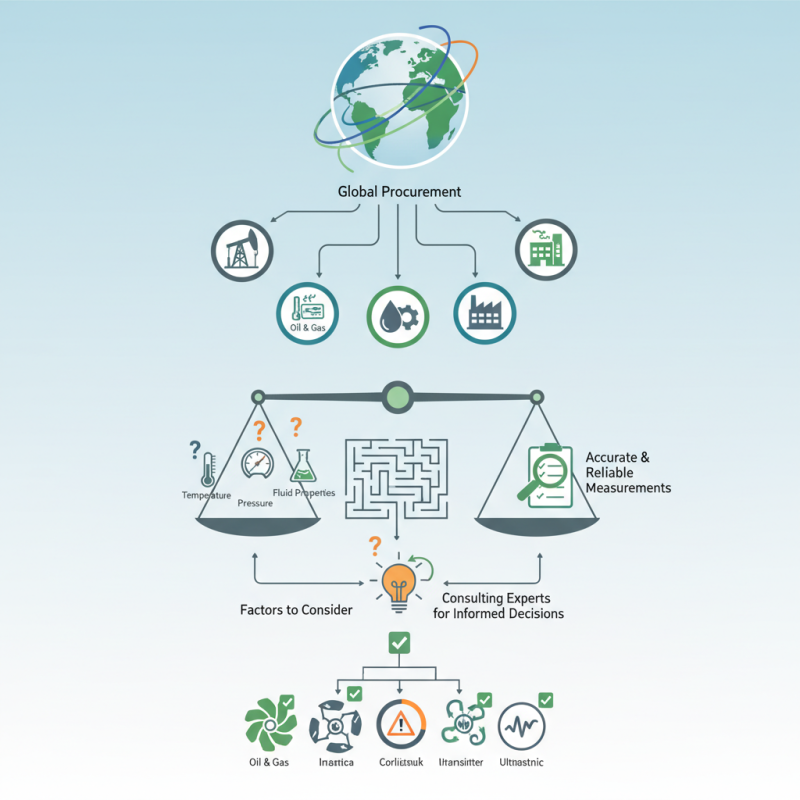
However, selecting the right flow transmitter can be challenging. Different applications require different specifications. Factors like pressure, temperature, and fluid properties must be considered. The complexity often leads to confusion. Many users may overlook critical features that could enhance performance.
The global market offers a range of flow transmitter solutions. It is vital to evaluate the options thoroughly. Not all products meet the same standards. By understanding your specific needs, you can make informed decisions. Consider consulting with experts in the field. Their insights can be invaluable in navigating this intricate landscape.
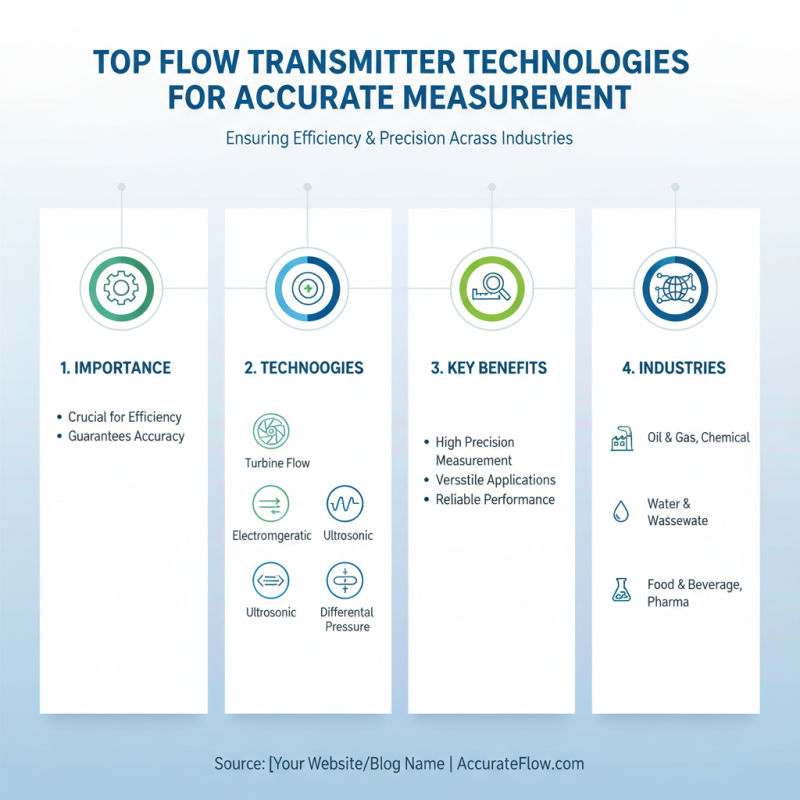
Top Flow Transmitter Technologies for Accurate Measurement
Flow measurement is crucial in various industries, ensuring efficiency and accuracy. With advancements in technology, multiple flow transmitter solutions are now available. These devices cater to diverse applications and offer high precision.
Electromagnetic and ultrasonic flow meters are among the leading technologies. Electromagnetic meters work well with conductive fluids. They provide real-time data, enhancing system control. Ultrasonic meters, on the other hand, use sound waves. They measure flow without moving parts, reducing maintenance.
However, challenges still exist. For instance, factors like viscosity can skew results. Operators must regularly calibrate instruments. Continuous learning and adaptation are essential for accurate readings. As the demand grows, so does the need for reliable flow measurement solutions. Understanding the intricacies of each technology is key for optimal results.
Key Features to Consider in Flow Transmitter Procurement
When procuring flow transmitters, several key features must be prioritized.
Accuracy is paramount. Data shows that even a
2% error can lead to significant losses in large-scale operations.
A precise flow transmitter can also ensure compliance with industry standards, which is vital for regulatory adherence.
Buyers should seek transmitters with a reliable accuracy rating, often noted in technical specifications.
Another critical feature is the transmitter's
rangeability. This characteristic defines how well the device can operate across varying flow rates.
According to industry reports, a rangeability of 10:1 is common in many applications. However, some advanced models offer
up to 50:1. A higher rangeability allows for more versatility in applications,
enabling companies to adapt their systems without frequent replacements.
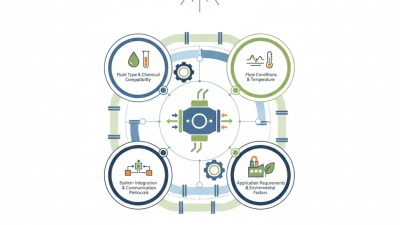
Lastly, consider the environment where the transmitter will be installed.
Factors such as temperature, pressure, and potential exposure to
corrosive substances must be evaluated. Selecting a transmitter that withstands harsh conditions
can prevent premature failures. Research indicates that about
20% of flow meter failures stem from environmental factors.
Focusing on these elements can guide procurement decisions effectively, reducing risk and optimizing operational efficiency.
Comparative Analysis of Leading Flow Transmitter Brands
Flow transmitters are essential in various industries for accurate measurement. The market for these devices is expected to grow significantly. According to a recent study, the global flow meter market is projected to reach USD 8.78 billion by 2027. This is driven by increasing demand in sectors such as oil and gas, water treatment, and pharmaceuticals.
Leading brands offer various technologies, including electromagnetic, Coriolis, and Doppler flow meters. Each technology has distinct advantages. Electromagnetic flow meters provide high accuracy for conductive fluids. However, they may falter with non-conductive liquids. In contrast, Coriolis meters excel in mass flow measurement but can be affected by temperature variations. Understanding these nuances guides procurement decisions.
While many brands claim superior performance, reliability is a critical concern. Some brands have reported inconsistencies in long-term measurements. This raises questions about durability in challenging environments. It is crucial for procurement officers to evaluate total cost of ownership beyond just the initial purchase price. Factors like maintenance, calibration needs, and long-term accuracy should also be considered. Quality assessments from reliable sources can play a pivotal role in decision-making.
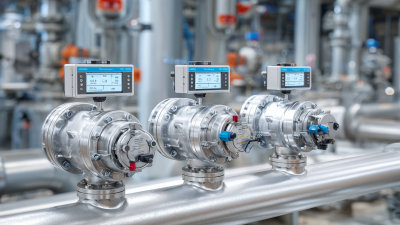
Top Flow Transmitter Solutions for Global Procurement Needs
Future Innovations in Flow Transmitter Technology and Applications
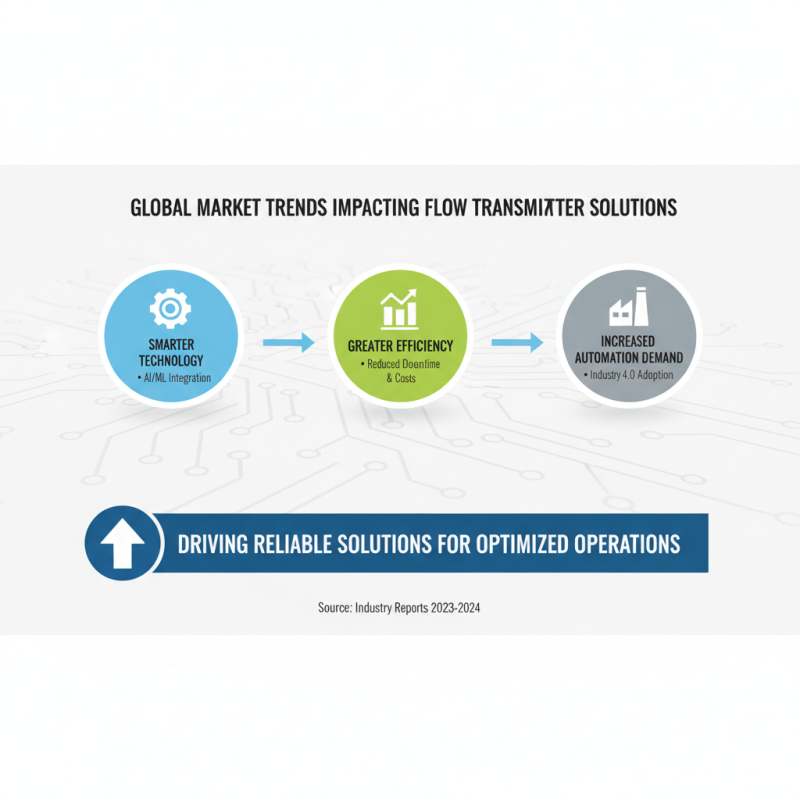
The flow transmitter technology landscape is evolving rapidly. Innovations are driven by the need for greater accuracy and efficiency. New materials and designs enhance the performance of flow transmitters in various applications. These improvements lead to better data transfer and process control. Moreover, smart transmitters are increasingly adopting IoT capabilities. This integration offers real-time data analysis and remote monitoring.
One promising area is the development of low-power flow transmitters. These devices can operate in remote locations with minimal energy usage. They ensure continuous monitoring without frequent maintenance. However, challenges remain in battery life and data processing efficiency. Users need to consider these factors to optimize performance.
Another trend is the adoption of advanced algorithms for data interpretation. Data analytics enhance the accuracy of flow measurements. As technology progresses, data security becomes a paramount concern. Manufacturers must address vulnerabilities in IoT systems. The path forward requires continuous innovation while ensuring reliability and data protection. Balancing these aspects will be crucial for future flow transmitter solutions.
Top Flow Transmitter Solutions for Global Procurement Needs - Future Innovations in Flow Transmitter Technology and Applications
| Type |
Accuracy |
Application |
Key Features |
Future Trends |
| Electromagnetic |
±0.2% |
Water, Chemicals |
No moving parts, Suitable for dirty fluids |
Integration with IoT, Smart sensors |
| Ultrasonic |
±0.5% |
Wastewater, Oil |
Clamp-on installation, Non-intrusive |
Artificial intelligence for diagnostics |
| Vortex |
±1% |
Gas, Steam |
Robust design, Wide flow range |
Enhanced data analytics capabilities |
| Orifice Plate |
±2% |
Steam, Liquids |
Low cost, High accuracy for large flows |
Digital flow measurement technologies |
| Mass Flow Meter |
±0.1% |
Gases, Liquids |
High precision, Direct mass measurement |
Wireless technologies for remote monitoring |