What Are the Top Flow Meter Types for Global Buyers?
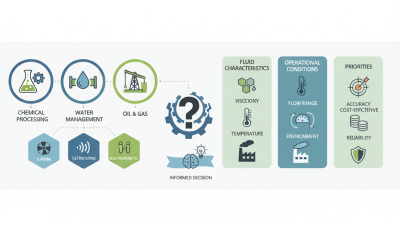
Choosing the right Flow Meter Types is not a simple matter of comparing prices. Global buyers must match measurement technology with fluid behavior, pipe conditions, accuracy targets, and maintenance capacity. A clean-water system may favor electromagnetic or ultrasonic meters. A crude-oil line may require Coriolis or positive-displacement technology. Gas service introduces different pressure, temperature, and compensation concerns.
The market is expanding, but published estimates vary. MarketsandMarkets’ Flow Meters Market report has projected steady growth through 2029, supported by process automation, water infrastructure, and energy projects. Grand View Research also identifies industrial processing, oil and gas, chemicals, and utilities as important demand sectors. These reports offer useful direction, not a universal purchasing answer. Their methods, product definitions, and regional coverage can differ.
Accuracy comes first.
Professional selection should also consider installation length, Reynolds number, viscosity, conductivity, pulsation, and hazardous-area requirements. ISO 4064 and OIML R49 provide important references for water-meter performance and verification. In practice, a meter that performs well in a laboratory may struggle beside a vibrating pump or partially filled pipe. That uncomfortable detail is often missed. Buyers should request calibration certificates, stated uncertainty, material compatibility data, and service records. Total cost includes downtime, recalibration, replacement parts, and technician training. No single technology wins everywhere. This guide compares the leading Flow Meter Types for global buyers, while recognizing that regional standards, supplier support, and operating experience can change the final decision.
Flow Meter Basics: How Different Types Measure Fluid Movement
What Are the Top Flow Meter Types for Global Buyers?
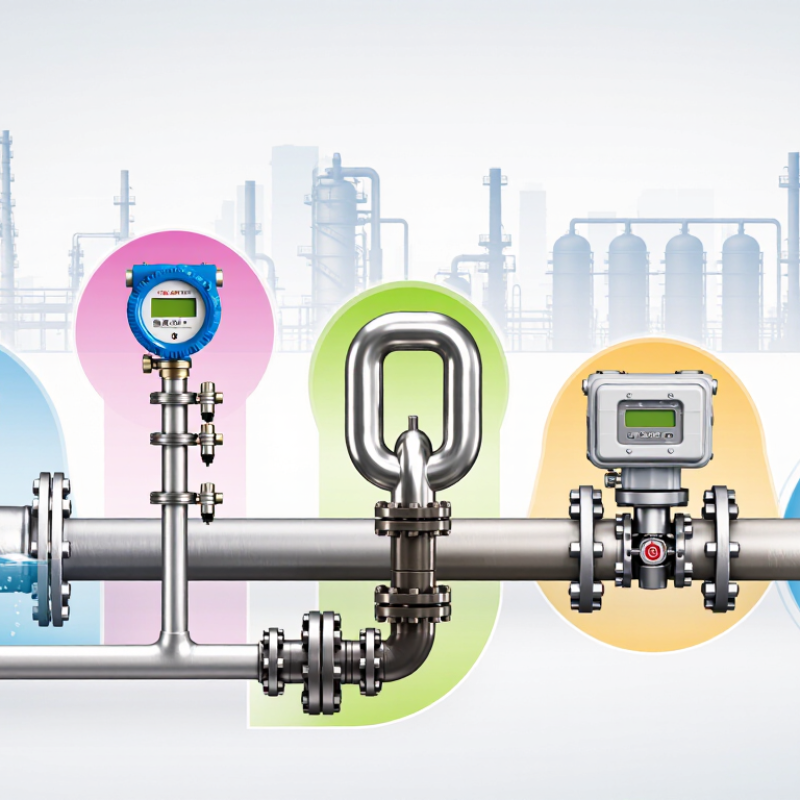
Differential pressure meters use a restriction to create a measurable pressure drop. They suit many industrial systems but cause permanent pressure loss.
Variable area meters use a float inside a tapered tube. They are simple and easy to read.
Turbine meters measure rotor speed as fluid passes through. They can provide good accuracy with clean, steady liquids. Moving parts remain a concern.
Electromagnetic meters work well with conductive liquids, including water-based fluids. They have no internal moving parts.
Ultrasonic meters measure sound-time differences or frequency shifts. Clamp-on versions can reduce installation work, although pipe condition affects performance.
Coriolis meters measure mass flow directly and can also detect fluid density. They offer strong accuracy but usually cost more and require careful sizing.
Installation can change the result. Straight pipe length, grounding, vibration, and air bubbles all matter. During commissioning, technicians often find that poor alignment creates larger errors than the meter itself. A catalogue size is not a final answer. Verify the normal flow range, not only the maximum rate. Calibration records, material compatibility, signal output, and local service support also deserve attention. Small details matter.
Major Flow Meter Categories Used by Global Buyers
Electromagnetic meters suit conductive liquids, including treated water and chemical solutions. They have no moving parts, which can reduce maintenance.
Ultrasonic meters measure flow through sound waves and often support non-invasive installation. They work well on large pipes, although air bubbles may weaken accuracy.
Coriolis meters measure mass flow and density with excellent precision. Their higher cost can be difficult for budget-sensitive projects.
Vortex meters are practical for steam, gas, and clean liquids. They need stable flow conditions and may struggle with vibration.
Turbine meters provide responsive readings for clean, low-viscosity fluids, but internal parts can wear.
Positive displacement meters perform well with thicker liquids and low flow rates.
Differential pressure meters remain widely used because they are familiar and adaptable, yet pressure loss deserves attention.
Thermal mass meters are useful for gases, especially when direct mass measurement matters.
Tips: Match the meter to conductivity, viscosity, pipe size, pressure, temperature, and required accuracy. Check calibration records and installation space before ordering. A cheaper meter may create higher operating costs. This is easy to overlook. Review maintenance access, signal compatibility, and local service capability as well. In difficult applications, request trial data or a documented sizing review. No selection is perfect; real process conditions can expose assumptions that look reasonable on paper.
Comparing Accuracy, Fluid Compatibility, and Operating Conditions
What Are the Top Flow Meter Types for Global Buyers?
Choosing a flow meter starts with the fluid, not the catalog. Electromagnetic meters suit conductive water, wastewater, and chemical solutions. They have no internal moving parts, which helps reduce maintenance. However, they cannot measure most oils or dry gases. Coriolis meters often deliver excellent mass-flow accuracy. They also measure density, but their higher cost and pressure drop may challenge smaller systems.
Ultrasonic meters work well when pipe access is limited. Clamp-on versions can be installed without cutting the line. Clean liquids usually produce the strongest results. Bubbles, heavy solids, or poor pipe conditions can weaken the signal. Vortex meters handle steam, gas, and clean liquids across broad industrial applications. Their accuracy can fall at low flow rates. Turbine meters respond quickly, yet their moving parts need clean fluid and regular inspection.
Operating conditions deserve equal attention. Check temperature, pressure, viscosity, conductivity, and expected flow range. A meter rated for laboratory water may fail beside a hot process pipe. Installation matters too. Straight pipe length, grounding, vibration, and calibration affect real performance. I have seen specifications look perfect while field readings drift. That assumption can fail. Buyers should request traceable calibration records and test data for the actual fluid. Sometimes, a slightly less accurate meter provides better long-term reliability. The right choice depends on stable measurements, manageable maintenance, and the conditions surrounding the pipe.
What Are the Top Flow Meter Types for Global Buyers?
Comparing typical accuracy, fluid compatibility, and operating conditions across widely used industrial flow meter technologies.
| Flow Meter Type | Typical Fluid Compatibility | Main Operating Consideration |
|---|---|---|
| Coriolis | Liquids, gases, slurries, and corrosive fluids with suitable wetted materials | High accuracy; higher purchase cost and pressure drop for some applications |
| Electromagnetic | Conductive liquids, including water, wastewater, chemicals, and slurries | Requires electrical conductivity and a completely filled pipe |
| Ultrasonic | Clean liquids, gases, and selected wastewater or process fluids | Sensitive to installation conditions, flow profile, and gas bubbles in liquids |
| Vortex | Steam, gases, and clean or moderately clean liquids | Needs adequate straight-run piping and stable velocity |
| Turbine | Clean, low-viscosity liquids and gases | Moving parts require clean fluid and regular maintenance |
| Differential Pressure | Liquids, gases, and steam with compatible primary elements | Broad temperature capability but creates permanent pressure loss |
Values shown are representative industrial ranges, not guaranteed specifications. Actual performance depends on meter design, calibration, line size, fluid properties, installation, pressure, and temperature.
Selecting Flow Meters for Industrial and Commercial Applications
Global buyers need flow meters that match the process, not just the purchase price. Grand View Research estimated the global flow meter market at about USD 8.4 billion in 2023, with steady growth expected through 2030. MarketsandMarkets forecasts similar expansion, although its figures differ because of market definitions. That difference matters.
Select the meter around fluid behavior, pipe size, pressure, and maintenance access. Electromagnetic meters suit conductive liquids, including treated water and chemical solutions. Ultrasonic meters work well where pipe cutting is undesirable. They are useful for temporary checks. Coriolis meters measure mass flow and density, making them valuable for dosing and custody applications. Vortex meters can support steam and gas systems with stable flow conditions. Check the straight-run requirement. Confirm the temperature range.
Installation errors often reduce real-world accuracy more than the instrument specification. In commercial buildings, ultrasonic or electromagnetic meters can help track chilled water and heating loops. Industrial buyers may need corrosion-resistant materials, remote diagnostics, and hazardous-area certification. ISO 4064 provides requirements for water meters, while ISO 17025 supports confidence in calibration testing. An accuracy claim without calibration evidence is weak. I would not choose a meter from a catalog table alone. Field conditions change. That is where many selection decisions become imperfect, and a site survey can reveal blocked strainers, air pockets, or unstable flow that the original specification missed.
Global Purchasing Factors: Standards, Costs, Support, and Maintenance
Global buyers often compare electromagnetic, ultrasonic, Coriolis, vortex, and turbine flow meters. Each type suits different fluids, pipe sizes, and accuracy needs. Electromagnetic meters work well with conductive liquids and create little pressure loss. Ultrasonic models can serve large pipelines without cutting into the pipe. Coriolis meters provide mass flow and density data, but their purchase price is usually higher. The pipe decides.
Standards should be checked before price. Buyers can request calibration records, material certificates, ingress protection ratings, and documented test procedures. Calibration linked to ISO/IEC 17025 laboratories adds confidence during audits. Regional electrical and pressure requirements may also affect approval costs. A meter that meets one market’s requirements may need extra testing elsewhere. Confirm this before issuing a purchase order.
Total cost includes installation, wiring, software, spare parts, and technician time. Support matters. Ask whether manuals, remote assistance, training, and replacement sensors are available in the target region. Maintenance access should be practical, especially where shutdowns are expensive. Dirty fluids may require cleaning or filtration, while outdoor installations need suitable enclosures. In field projects, engineers often discover that connection details cause more trouble than the sensor itself. A low purchase price can hide costly adapters and repeated recalibration. My own selection process would still leave room for doubt, because operating data is often incomplete. Compare verified performance under real conditions, not only attractive catalog figures.
Related Posts
-
How to Choose the Right Flow Meter for Your Needs?
-
Top 10 Inline Flow Meters: Key Features, Benefits, and Buying Guide
-
How to Choose the Right In Line Flow Meter
-
The Ultimate Guide to Understanding Flow Meters and Their Impact on Industrial Efficiency
-
2026 Top In Line Flow Meter Insights for Global Buyers?
-
9 Proven Reasons Why Mechanical Flow Meters Are the Best Choice for Accurate Measurements