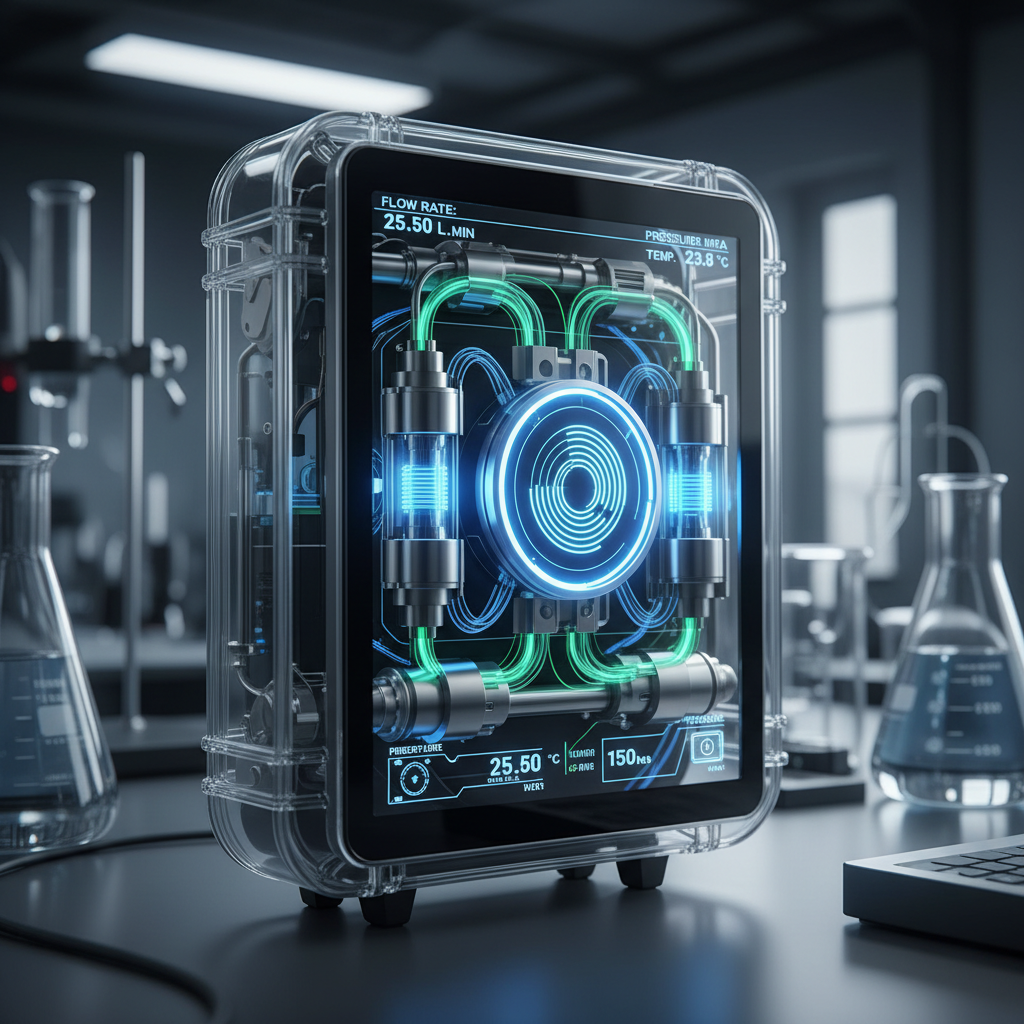
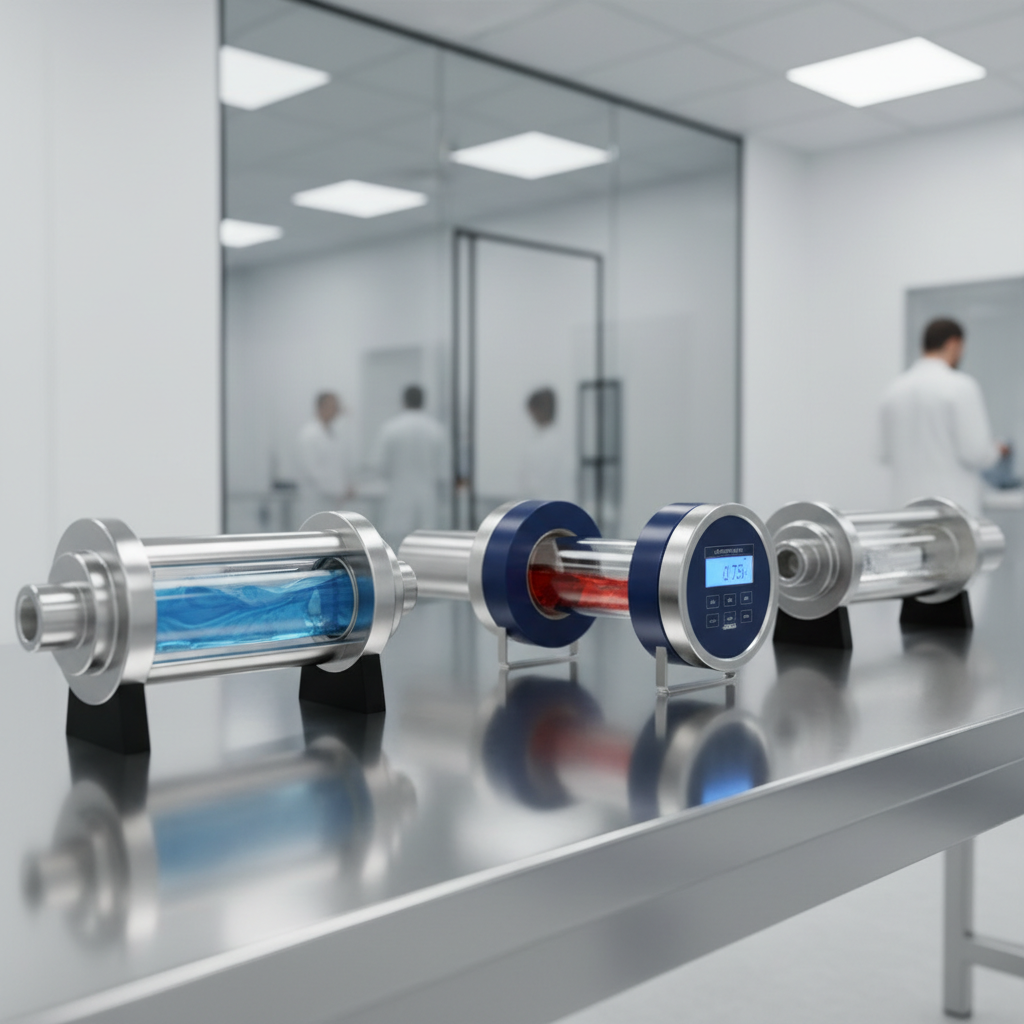
Top 5 Digital Flow Meters for Accurate Fluid Measurement in 2023
In the rapidly evolving world of industrial process management, the
accuracy of fluid measurement is paramount for operational efficiency.
As per a recent market analysis by Future Market Insights, the
digital flow meter market is projected to reach
$4.2 billion by 2026, driven by advancements in technology and the increasing demand for precise measurement instruments.
This surge is reflective of the growing reliance on automation and digital solutions across various sectors, including
oil and gas, water and wastewater management, and food and beverage industries.
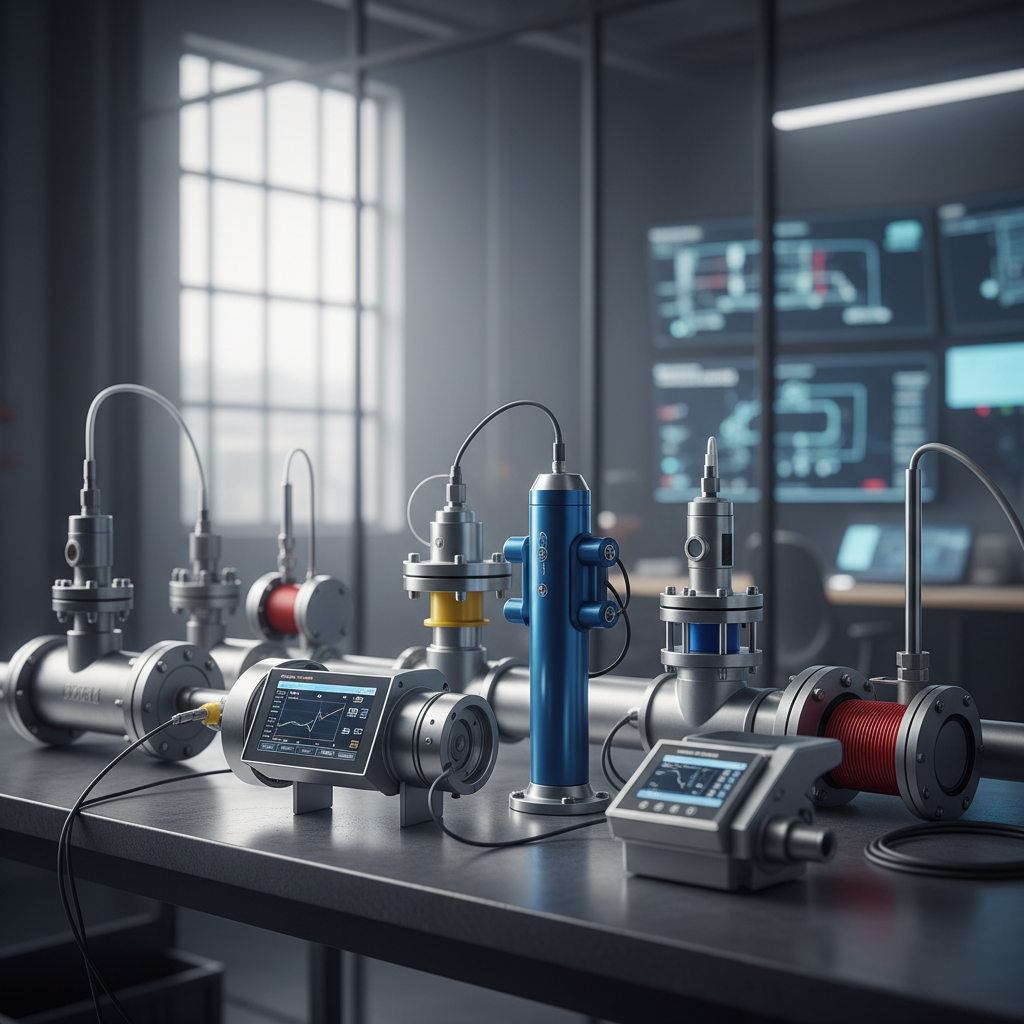
Digital flow meters offer enhanced accuracy, reliability, and ease of integration with existing systems,
distinguishing them from traditional mechanical models.
According to a report by MarketsandMarkets, the adoption of digital flow meters is
expected to witness a compound annual growth rate (CAGR) of over 6%
from 2021 to 2026. This trend underscores the significance of selecting
advanced flow measurement technologies that can provide real-time data,
error reduction, and superior performance. In 2023, identifying the top digital flow meters becomes crucial
for industries aiming to optimize their operations and ensure compliance with stringent regulatory standards.
Top Features to Look for in Digital Flow Meters
When selecting a digital flow meter, there are several key features that can significantly enhance accuracy and usability. First and foremost, look for meters equipped with advanced sensor technologies, such as electromagnetic or ultrasonic sensors, which provide precise measurements across a wide range of fluid types and flow rates. These technologies minimize errors caused by changes in temperature, pressure, and viscosity, ensuring reliable results even in challenging conditions.
Another important feature to consider is the display and user interface. A clear, intuitive digital display allows for easy reading of measurements, while features like data logging and connectivity options—such as Bluetooth or Wi-Fi—enable seamless integration with other monitoring systems. Reliable calibration methods and adjustable settings can also improve the accuracy and adaptability of the meter, making it suitable for various applications, from industrial processes to everyday fluid measurements.
Comparison of Accuracy Levels Across Leading Digital Flow Meter Models
When selecting a digital flow meter for accurate fluid measurement, understanding the accuracy levels across various models is essential. The leading digital flow meters in 2023 offer a range of technologies, from ultrasonic to electromagnetic designs, each with its own measurement precision. Some models boast an impressive accuracy of ±0.5%, while others provide ±1% or more. This variance can significantly impact applications where precision is critical, such as in pharmaceuticals or food processing.
Tips for choosing the right digital flow meter include evaluating the specific requirements of your application, including the type of fluid being measured, flow rate ranges, and environmental conditions. Additionally, consider the calibration frequency and whether the meter offers self-diagnostic features to maintain accuracy over time. Implementing regular maintenance checks can also help ensure the flow meter remains reliable and performs at its peak.
By carefully comparing the accuracy levels and features of various models, users can make informed decisions to optimize their fluid measurement processes. Understanding the deviations in accuracy can help mitigate discrepancies in fluid handling and production efficiency, ultimately leading to cost savings and improved operational standards.
User-Friendly Interfaces: Enhancing Measurement Experience with Digital Flow Meters
The evolution of digital flow meters has dramatically improved the measurement experience for end-users, primarily due to their user-friendly interfaces. According to a recent report from MarketsandMarkets, the global flow meter market is anticipated to reach $7.5 billion by 2025, reflecting an increasing demand for solutions that simplify operation and enhance accuracy. Modern digital flow meters come equipped with intuitive displays, streamlined navigation, and customizable settings, making them accessible even for users with minimal technical expertise.
Furthermore, these innovative devices often feature connectivity options such as Bluetooth or Wi-Fi, enabling real-time monitoring and data collection through mobile applications. This connectivity not only facilitates seamless integration with existing systems but also enhances operational efficiency. A study conducted by Research and Markets highlighted that companies using advanced digital flow measurement tools can experience up to a 30% reduction in operational errors, illustrating the significant impact of user-friendly interfaces on overall productivity and accuracy in fluid measurement. As organizations continue to prioritize precise fluid management, the role of accessible digital flow meters will be increasingly vital.
Top 5 Digital Flow Meters Comparison in 2023
Cost-Effectiveness of Top Digital Flow Meters in the Market
In 2023, the demand for digital flow meters has surged, largely due to their accuracy and efficiency in measuring fluid flow. Cost-effectiveness remains a crucial factor for industries seeking to optimize their operations. According to a report by MarketsandMarkets, the global flow meter market is projected to reach $9.51 billion by 2025, with a significant percentage driven by technological advancements and the need for accurate fluid measurement in sectors such as oil and gas, water and wastewater, and food and beverage.
Evaluating cost-effectiveness involves assessing both initial acquisition costs and long-term operational savings. A study from AIM Research highlights that integrating smart flow meter technology can reduce overall measurement errors by up to 30%, leading to savings on product losses and operational downtime. Additionally, the extended lifespan and reduced maintenance costs associated with modern digital flow meters—often lasting 15 years or more—result in significant value over time. These metrics demonstrate that investing in high-quality digital flow meters not only enhances measurement precision but also provides substantial economic benefits, proving their worth in various industrial applications.
Applications and Industries Benefiting from Digital Flow Meters in 2023
Digital flow meters have revolutionized fluid measurement across various applications and industries in 2023. In the oil and gas sector, for instance, these advanced devices ensure accurate flow measurement of hydrocarbons, which is critical for optimizing production and minimizing environmental impact. Their ability to provide real-time data allows companies to respond swiftly to operational changes, thus enhancing efficiency and safety.
In the manufacturing industry, digital flow meters play a vital role in ensuring the quality and consistency of processes such as chemical mixing and water treatment. Industries like pharmaceuticals rely on precise fluid measurement to comply with stringent regulatory standards. Furthermore, the food and beverage sector benefits from digital flow meters by enabling accurate inventory tracking and minimizing waste during processing and packaging stages. As technology continues to evolve, the versatility of digital flow meters will further expand their use across various sectors, enhancing operational efficacy and sustainability.
Top 5 Digital Flow Meters for Accurate Fluid Measurement in 2023
| Meter Type |
Measurement Range |
Accuracy |
Applications |
Industries |
| Ultrasonic Flow Meter |
0.01 to 10 m/s |
±0.5% |
Water, Oil, Chemicals |
Water Treatment, Oil & Gas |
| Electromagnetic Flow Meter |
0.1 to 6 m/s |
±0.2% |
Conductive Fluids |
Chemical Processing, Food Industry |
| Coriolis Mass Flow Meter |
0.5 to 80 m/s |
±0.1% |
Oil, Gas, Chemicals |
Oil & Gas, Petrochemical |
| Turbine Flow Meter |
0.2 to 10 m/s |
±0.5% |
Water, Oil, Natural Gas |
Water Supply, Natural Gas |
| Positive Displacement Flow Meter |
0.005 to 10 m/s |
±0.2% |
Viscous Fluids |
Food & Beverage, Cosmetics |