2025 Top 10 In Line Flow Meters: Enhance Accuracy and Efficiency
In recent years, the demand for accurate measurement and monitoring in various industries has steadily increased, prompting significant advancements in In Line Flow Meter technology. According to a report by MarketsandMarkets, the global flow meter market is projected to grow from USD 4.9 billion in 2020 to USD 7.3 billion by 2025, at a CAGR of 8.5%. This escalation underscores the importance of precision and reliability in flow measurement, which are paramount for optimizing processes and ensuring compliance with stringent regulations.
As industries ranging from water management to pharmaceuticals continue to seek enhanced operational efficiency, the role of In Line Flow Meters becomes increasingly vital. These instruments excel in offering real-time data critical for monitoring fluid dynamics, enabling businesses to make informed decisions that boost productivity and reduce waste. Furthermore, advancements in technology, including the integration of IoT and smart analytics, have amplified the capabilities of these meters, ensuring they meet the fast-evolving needs of modern industries.
In this context, our comprehensive exploration of the "Top 10 In Line Flow Meters" for 2025 highlights the leading products that promise not only to enhance accuracy but also to foster greater efficiency in fluid measurement applications. This selection serves as a guide for industry professionals aiming to stay ahead in a competitive landscape defined by innovation and precision.
Understanding In Line Flow Meters: Key Features and Benefits
In line flow meters are essential instruments in various industries, offering precise measurement of fluid flow rates. One of the key features of these meters is their ability to provide real-time data, which enhances operational efficiency. By integrating with modern monitoring systems, in line flow meters allow for timely adjustments to processes, minimizing waste and reducing costs. Moreover, their design often accommodates a variety of fluids, from simple water to complex chemical mixtures, making them versatile tools in industrial settings.
Another significant benefit of in line flow meters is their accuracy. Advanced technologies such as ultrasonic, electromagnetic, and coriolis methods ensure that these meters deliver reliable readings, which are crucial for process optimization and compliance with industry standards. Accurate flow measurement not only helps in maintaining product quality but also plays a vital role in achieving sustainability goals by enabling better resource management. As industries continue to evolve, the adoption of high-performance in line flow meters will be pivotal in driving improvements in accuracy and efficiency.
2025 Top 10 In Line Flow Meters: Enhance Accuracy and Efficiency
This bar chart illustrates the accuracy and efficiency ratings of the top 10 inline flow meters for 2025. The data points represent the overall performance score based on various factors such as measurement accuracy, ease of installation, maintenance requirements, and operational efficiency.
Top Technologies Driving Accuracy in Flow Measurement
The flow measurement industry is undergoing significant transformation driven by advancements in technology that enhance accuracy and efficiency. According to market research, the Thermal Mass Flow Meter market is projected to grow from $2.12 billion in 2024 to over $3.7 billion by 2032, reflecting a robust compound annual growth rate (CAGR) of 7.2%. This substantial growth highlights the increasing reliance on thermal mass flow meters in various applications, particularly in industries where precise flow measurement is critical.
In addition, the ultrasonic flow meter market is positioned for a decade-long expansion that promises to revolutionize flow measurement technology. As businesses continuously seek improvements in measurement accuracy, ultrasonic technology offers non-intrusive and highly reliable solutions, making it a choice for various sectors including oil and gas and water management. This shift towards sophisticated flow measurement technologies not only enhances operational efficiency but also supports sustainable practices across industries. Furthermore, the blood flow measurement devices market is estimated to surpass USD 886 million, indicating a growing demand for precision instruments that are crucial for healthcare applications.
Efficiency Boost: How In Line Flow Meters Optimize Operations
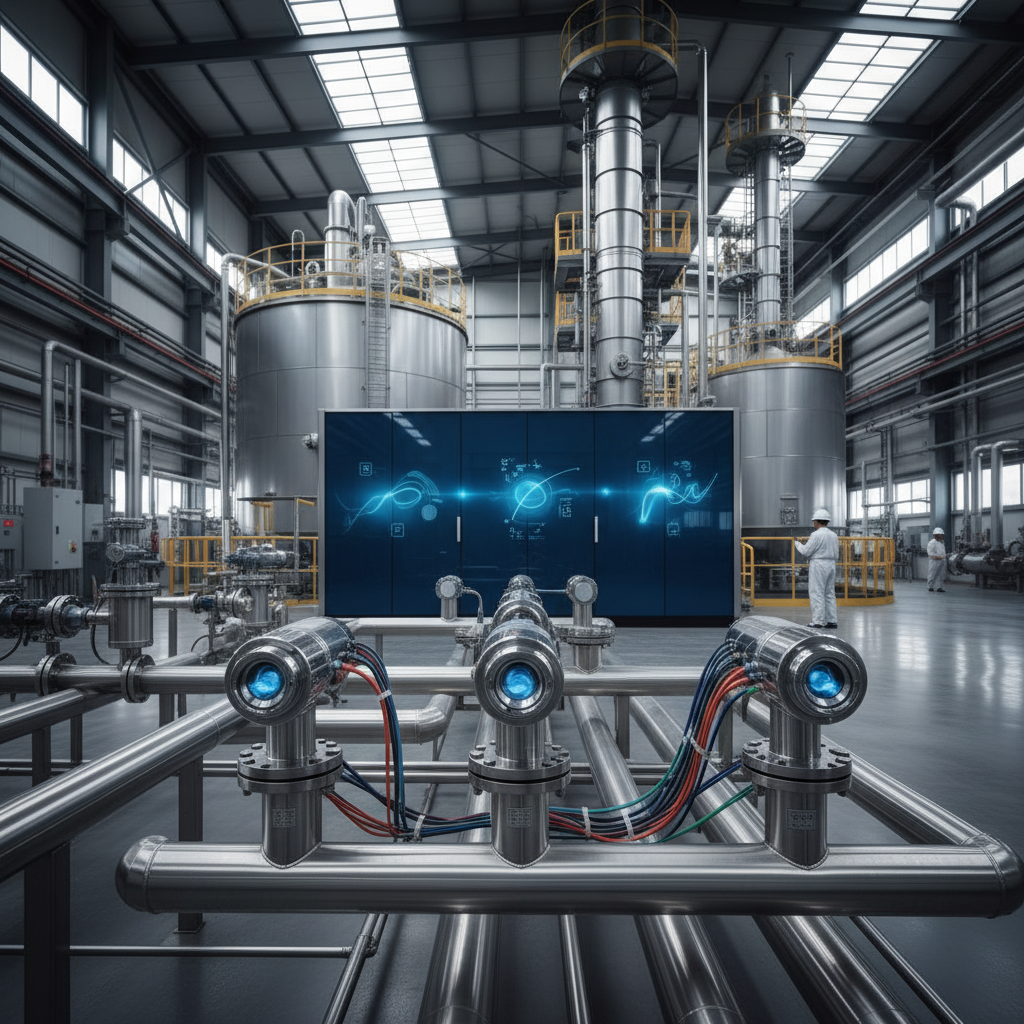
In the modern industrial landscape, the demand for precision and efficiency in fluid measurement is at an all-time high. In-line flow meters play a crucial role in enhancing operational efficiency by minimizing errors in flow measurement, ultimately leading to cost savings and increased productivity. According to a recent report by Global Industry Analysts, the flow meter market is projected to reach approximately $10 billion by 2025, indicating a growing recognition of the value these instruments bring to various sectors, including oil and gas, water treatment, and food production.
Implementing in-line flow meters can optimize operations significantly. They provide real-time data, enabling businesses to make informed decisions quickly. For instance, a study conducted by the International Society of Automation suggests that companies employing advanced flow measurement techniques can reduce operational costs by up to 25%. These meters not only increase accuracy but also facilitate more effective resource management and waste reduction.
Tips for Maximizing Efficiency with In-Line Flow Meters:
- Regularly calibrate your flow meters to ensure accuracy and prevent drift over time.
- Utilize digital flow meters equipped with remote monitoring capabilities for instant access to performance data and alerts.
- Train staff on best practices for maintenance and operation to enhance the longevity and efficiency of the meters in use.
Maintenance Tips for Maximizing the Lifespan of Flow Meters
Proper maintenance of flow meters is essential for maximizing their efficiency and lifespan. Here are some crucial tips to ensure your flow meters remain in optimal condition. First, regular calibration is important. Periodically checking the accuracy of the flow meter helps to identify any deviations from expected measurements, allowing for timely adjustments. Calibration should be done according to the manufacturer's specifications to maintain high standards of performance.
Another key maintenance tip is to keep the flow meter clean. Accumulation of debris can significantly affect accuracy. Regularly inspect and clean the sensor and flow passages to prevent blockages and maintain precise readings. Using appropriate cleaning agents according to the manufacturer's recommendations ensures that the components are not damaged during the process.
Lastly, monitor environmental conditions where the flow meter is installed. Protecting the device from extreme temperatures and humidity levels can prevent premature wear and failure. Implementing protective measures, such as insulation or climate control, will extend the life of the flow meter, enabling it to serve effectively for many years.
Future Trends in In Line Flow Measurement: What to Watch For in 2025
In 2025, the landscape of in-line flow measurement is expected to undergo significant transformations, driven by advancements in technology and the growing demand for accurate and efficient systems. Industry reports indicate that the global flow meter market is projected to reach $7.10 billion by 2025, with a substantial shift towards digital and smart flow measurement solutions. These innovations aim to enhance precision by leveraging IoT capabilities, enabling real-time data transmission and analysis.
Tip: When selecting a flow meter, consider models equipped with digital interfaces. These devices not only provide accurate measurements but also facilitate seamless integration with existing data management systems.
Furthermore, as industries prioritize sustainability, future trends will likely focus on eco-friendly flow measurement solutions. Reports suggest that meters using ultrasonic and electromagnetic technologies will become increasingly popular due to their low environmental impact and high efficiency. The shift towards predictive maintenance and machine learning algorithms will also elevate the importance of real-time diagnostics, ensuring systems are monitored for optimal performance.
Tip: Stay updated with emerging technologies in flow measurement to ensure your operations remain competitive and aligned with future industry standards.
2025 Top 10 In Line Flow Meters: Enhance Accuracy and Efficiency
| Rank |
Flow Meter Type |
Measurement Range (L/min) |
Accuracy (%) |
Connection Type |
Temperature Range (°C) |
| 1 |
Electromagnetic |
0.1 - 5000 |
±0.5 |
Flanged |
-20 to 80 |
| 2 |
Coriolis |
0.5 - 1000 |
±0.1 |
Tri-clamp |
-50 to 120 |
| 3 |
Ultrasonic |
1 - 2000 |
±0.5 |
Flanged |
-10 to 60 |
| 4 |
Turbine |
0.5 - 1500 |
±1.0 |
NPT |
-40 to 90 |
| 5 |
Positive Displacement |
0.1 - 400 |
±0.5 |
Flanged |
-20 to 100 |
| 6 |
Vortex |
1 - 3000 |
±0.75 |
NPT |
-40 to 150 |
| 7 |
Mass Flow |
0.2 - 500 |
±0.2 |
Flanged |
-50 to 100 |
| 8 |
Rotary Vane |
0.1 - 300 |
±0.5 |
NPT |
-10 to 80 |
| 9 |
Capacitance |
0.1 - 2500 |
±1.0 |
Flanged |
-20 to 100 |
| 10 |
Electromechanical |
0.5 - 1000 |
±0.7 |
Tri-clamp |
-10 to 90 |