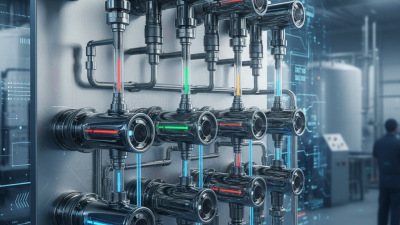
Essential Tips for Choosing the Right Flow Rate Meter?
Choosing the right flow rate meter is crucial for accurate measurements. The flow rate meter plays a vital role in various industries. Selecting one requires careful consideration of several factors.
Different types of flow rate meters are available. Each type has specific applications and advantages. For example, electromagnetic meters are excellent for conductive fluids. Coriolis meters provide precise measurements for any fluid. However, these options can be overwhelming.
Before making a decision, consider your unique application. Think about the fluid type, viscosity, and temperature. Each detail impacts the meter’s performance and accuracy. Mistakes in selection can lead to significant repercussions. A wrong choice may lead to costly errors or inefficient processes. Therefore, take time to reflect on your needs before finalizing your decision.
Key Considerations for Selecting Flow Rate Meters in Industrial Applications
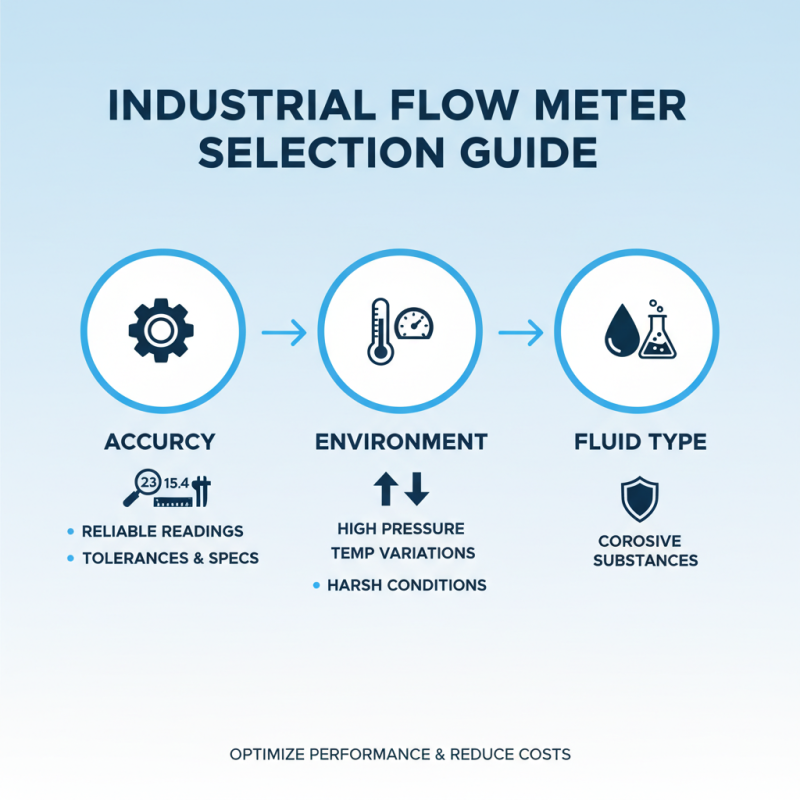
When selecting flow rate meters for industrial applications, several key factors must be considered. Accuracy is crucial. Meters that can't provide reliable readings may lead to costly mistakes. Evaluate the specifications and tolerances closely. The environment where the meter will operate also matters. High pressure, temperature, or corrosive substances can affect performance.
Tips for choosing the right flow rate meter:
1. Determine the fluid type and flow conditions. Different meters work better with liquids or gases. Know the viscosity and density of the fluid.
2. Consider the installation space. Some meters require straight pipe runs, while others can fit into tight spaces. Measure the physical dimensions carefully.
3. Think about maintenance. Some meters need regular calibration. Determine how easy it is to access the meter for service.
Don't overlook the power source. Some meters rely on batteries, while others need external power. Ensure you have a reliable power supply in place. Check for potential sources of interference too. External factors can affect meter readings.
Finding the right flow rate meter can feel overwhelming. It's important to weigh every option thoughtfully. Each decision can impact performance. Sometimes, the best choice is not the most expensive one. A meter that meets your specific needs is worth its weight in gold.
Understanding Various Types of Flow Rate Meters and Their Uses
When selecting a flow rate meter, it's crucial to understand the different types available. Each type serves specific applications and has its unique advantages. For example, positive displacement meters are excellent for low flow rates. They offer high accuracy and are widely used in the oil and gas sector. A report by the American Petroleum Institute states that these meters can achieve accuracy levels of up to ±0.5%.
Another type is the electromagnetic flow meter, which is ideal for conductive fluids. These meters operate without moving parts and are suitable for a range of industries, including water treatment and food production. According to a recent market analysis, the demand for electromagnetic meters has surged by 12% annually due to their reliability and maintenance-free operation. However, users must be cautious. These meters can struggle with non-conductive liquids, which may lead to inaccurate readings.
Lastly, turbine flow meters are versatile and can handle various fluids. They are often employed in the chemical industry. However, one challenge is their sensitivity to flow disturbances. Flow pulsations can affect accuracy, leading to potential errors. It's essential to consider the installation environment when choosing this type. The fluctuating nature of flow can complicate the reliability of turbine meters. Each flow meter type has its unique benefits and pitfalls, highlighting the necessity of careful selection.
Flow Rate Meters Comparison
This chart illustrates the average flow rates (in liters per minute) for various types of flow rate meters commonly used in industrial applications.
Evaluating Flow Meter Specifications: Accuracy, Range, and Calibration
When selecting a flow rate meter, understanding specifications is crucial. Accuracy is a key parameter. Most industrial flow meters should have an accuracy of about ±0.5% of reading. However, some applications might require tighter tolerances, aiming for ±0.1% or better. It is essential to assess if the meter can consistently meet these standards across various operating conditions.
Range also plays a significant role. Flow meters often have a specified range where they operate optimally. This range can impact efficiency. For example, a meter with a 10:1 turndown ratio allows greater flexibility. However, long-term efficiency may suffer if the meter is constantly operating near its upper or lower limits. It’s worth considering whether the flow profiles in your application can remain within these ranges.
Calibration procedures cannot be overlooked. Regular calibration ensures ongoing accuracy and reliability. According to industry reports, flow meters require recalibration every six months to maintain precision. Every installation is unique. Therefore, a one-size-fits-all calibration approach may not capture all nuances. Facilities may also lack the necessary equipment for proper calibration, leading to potentially significant inaccuracies. These factors necessitate a thorough evaluation process when choosing a flow meter.
Essential Tips for Choosing the Right Flow Rate Meter
| Flow Meter Type |
Accuracy (%) |
Flow Range (L/min) |
Calibration Frequency (Months) |
| Electromagnetic |
±0.5 |
5 - 1000 |
12 |
| Ultrasonic |
±1.0 |
10 - 2000 |
6 |
| Turbine |
±1.5 |
1 - 500 |
12 |
| Positive Displacement |
±0.3 |
0.5 - 100 |
24 |
| Vortex |
±0.2 |
2 - 800 |
12 |
Impact of Fluid Properties on Flow Meter Performance and Selection
When selecting a flow rate meter, understanding fluid properties is crucial. Viscosity, density, and temperature greatly affect meter performance. For example, highly viscous fluids may cause inaccuracies in certain types of meters. A simple liquid might flow smoothly, while a thick paste can disrupt readings.
Temperature variations can also influence performance. A meter may read differently at high temperatures compared to room temperature. This can lead to significant errors in processes requiring precision. It is essential to consider fluid composition when making a choice.
Moreover, the choice of material for the flow meter can impact durability. Corrosive fluids necessitate specific materials, while common liquids might require less specialized options. Ignoring these details can lead to costly mistakes. When in doubt, gather data on your fluid to make an informed decision. Always revisit your choice if conditions change.
Cost-Benefit Analysis: Investing in High-Quality Flow Rate Measurement Solutions
Choosing the right flow rate meter involves weighing options carefully. A cost-benefit analysis is crucial. Investing in high-quality flow measurement solutions can save you money in the long run. According to a 2022 industry report, accurate flow measurement can improve efficiency by up to 25%. This can lead to significant savings on operating costs.
Consider the initial purchase price against long-term performance. A reputable meter might have a higher upfront cost. However, its reliability reduces maintenance frequency. This means less downtime and higher productivity. Another study indicated that inferior meters can create uncertainties, leading to errors that may cost businesses over $50,000 annually.
Quality meters often feature advanced technology. They deliver more precise measurements, which can enhance process control. However, some businesses hesitate to invest. They worry about the shock of upfront spending. It’s essential to reflect on the trade-offs. Cost-effective solutions may not deliver the reliability needed. Are you willing to risk profits for short-term savings?