What is an Electrical Ring Main Unit and Its Benefits for Buyers?
The Electrical Ring Main Unit (RMU) plays a crucial role in modern electrical distribution systems. According to industry reports, the global market for RMUs is expected to grow steadily, anticipated to reach USD 3.6 billion by 2026. This growth highlights the demand for reliable and efficient power distribution solutions.
RMUs effectively manage electricity supply, ensuring safety and minimizing interruptions. Their compact design and modular structure make installation easier. Moreover, RMUs are integrated with advanced technologies for automation and monitoring. This enhances operational efficiency, a critical aspect in energy management today.
However, buyers must consider several factors before purchasing an Electrical Ring Main Unit. Evaluating the installed capacity, maintenance requirements, and compatibility with existing infrastructure is essential. Despite the advantages, potential challenges may arise in specific environments. Careful planning and professional consultation can mitigate these issues, ensuring a sound investment.
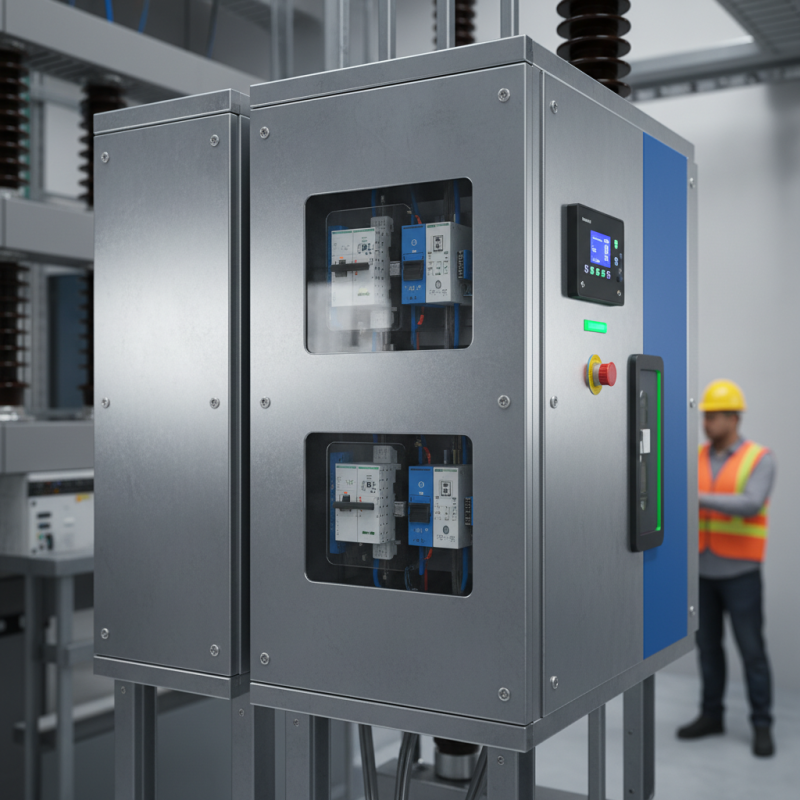
What is an Electrical Ring Main Unit?
An Electrical Ring Main Unit (RMU) is crucial for electrical distribution in medium-voltage systems. It consists of various components such as circuit breakers, switches, and transformers. Each component contributes to the overall reliability of the electrical supply. By enabling efficient power management, the RMU plays a vital role in maintaining operational continuity, especially in industrial settings.
When selecting an RMU, buyers should pay attention to its design and construction. Robust insulation and compact housing are essential for safety and longevity. RMUs protect against overloads and faults, reducing the risk of damage. Their integrated monitoring systems provide real-time data, making maintenance easier and helping minimize downtime.
Tips:
Regular inspections can ensure that the RMU operates at peak performance. Check for signs of wear and electrical irregularities. Additionally, consider the unit's capacity to adapt to future demands. Flexibility can prevent costly upgrades later on. Always consult a professional for installation to ensure compliance with safety standards.
Key Components of an Electrical Ring Main Unit
An Electrical Ring Main Unit (RMU) is vital for modern power distribution. Its key components include circuit breakers, switches, and transformers. These elements work together to manage electrical flow efficiently. The design focuses on safety and reliability.
Circuit breakers are essential for protecting circuits from overloads. They automatically disconnect power, preventing damage. Switches allow easy control of the network, enhancing operational flexibility. Transformers adjust voltage levels, making power safe for various applications. Each component contributes significantly to overall functionality.
Buyers might appreciate RMUs for their compact design. They can fit in smaller spaces without sacrificing performance. However, potential users should consider installation complexity. Trained professionals are crucial for setup. Maintenance is necessary to ensure long-term reliability. Buyers should weigh these factors carefully, seeking expert advice when needed.
Advantages of Using Electrical Ring Main Units for Buyers
Electrical Ring Main Units (RMs) are vital components in modern electrical distribution systems. They offer numerous advantages that benefit both residential and commercial buyers. The ring main system allows for more reliable power delivery. This design ensures that power can be supplied from multiple directions, minimizing downtime during maintenance or faults.
One key benefit is increased safety. RMs are equipped with built-in protection features, which help prevent overloads and short circuits. This minimizes risks and potential damages. Additionally, they are modular, which allows buyers to expand or modify their systems easily.
Tip: When choosing a ring main unit, consider the installation environment. Factors like humidity and temperature can impact performance.
Another advantage is cost-effectiveness. While the initial investment may seem high, RMs can lower operational costs over time. The efficient design reduces energy losses. However, buyers should be cautious about hidden installation costs.
Tip: Always request detailed quotes from suppliers. Understand all costs involved before making a decision.
With their durability and ease of use, electrical ring main units prove beneficial for long-term power management. Perhaps, the real challenge lies in choosing the right unit that fits specific requirements. Make sure to engage with professionals who can provide insights based on your unique needs.
Applications of Electrical Ring Main Units in Various Industries
Electrical Ring Main Units (RMUs) serve crucial applications across various sectors. These units are essential in utilities, commercial buildings, and industrial applications. Their primary function is to manage medium voltage electricity distribution safely and efficiently. A report by the International Electrotechnical Commission indicates that the global demand for RMUs has increased by around 12% annually in recent years.
In the utility sector, RMUs are vital for improving the reliability of electricity supply. They play a key role in substations, providing both protection and control. Similarly, RMUs are used in commercial buildings where energy management is critical. According to the Energy Efficiency Markets Report, businesses see up to a 30% reduction in energy costs with effective RMU implementation.
Tips: Regular maintenance is crucial. Check for any signs of wear and ensure all connections are secure. Over time, cables can degrade, leading to inefficiencies.
In industrial settings, RMUs help streamline power distribution and enhance safety. They are adaptable and can be configured to meet specific energy needs. However, while RMUs offer many benefits, improper installation can lead to significant challenges. It's important to approach installation with care and consult experts when necessary.
What is an Electrical Ring Main Unit and Its Benefits for Buyers? - Applications of Electrical Ring Main Units in Various Industries
| Industry | Applications | Benefits | Key Features |
| Utilities | Power distribution | Enhanced safety and reliability | Compact design, easy maintenance |
| Industrial | Factory automation | Cost-effective energy management | Robust construction, high-load capacity |
| Commercial | Office buildings | Reduced downtime with quick fault isolation | Integrated protection features |
| Residential | Apartment complexes | Environmentally friendly options | Smart technology integration |
| Healthcare | Hospitals and clinics | Reliable power supply for sensitive equipment | High-grade insulation and safety protocols |
Factors to Consider When Purchasing an Electrical Ring Main Unit
When purchasing an electrical ring main unit, several factors should be considered. First, understand the specifications that suit your power needs. Look for rated voltage and current capacity. This ensures alignment with your electrical requirements. Evaluate if the unit is capable of handling future expansions. Your choice should accommodate growth without compromise.
Cost is another critical factor. Balance quality and price. A cheaper option may save initial costs but could result in higher long-term expenses due to maintenance or inefficiency. Assess the warranty and support services offered. Reliable support is invaluable if issues arise.
**Tips:** Check energy efficiency ratings. Higher efficiency units may cost more upfront, but they save money over time. Don’t overlook installation requirements. Some units demand specific configurations, which can affect overall costs. Always read user reviews. Learning from the experience of others can help in making informed decisions.
Electrical Ring Main Unit Benefits and Considerations
This bar chart illustrates the benefits of Electrical Ring Main Units based on a rating scale of 1 to 10. Buyers can assess key factors such as Cost Efficiency, Safety, Space Savings, Ease of Maintenance, and Flexibility when considering a purchase.