What is an Electrical Pump Motor and How Does it Work?
An Electrical Pump Motor is a crucial device in various industries. It converts electrical energy into mechanical energy to run a pump. Understanding how this motor functions is essential for effective maintenance and troubleshooting.
These motors are designed to move fluids efficiently. They are widely used in agriculture, water supply, and manufacturing. However, like any machinery, they can fail. A minor malfunction can lead to significant issues, such as reduced efficiency or complete breakdown. Therefore, recognizing common problems is vital for operators.
The design of an Electrical Pump Motor is both simple and complex. It consists of components like windings, a rotor, and a housing. Each part plays a role in ensuring optimal performance. This motor's reliability often reflects on the overall success of operations. Understanding its mechanics is not only beneficial but necessary for reliable operations.
What is an Electrical Pump Motor? Definition and Functionality Explained
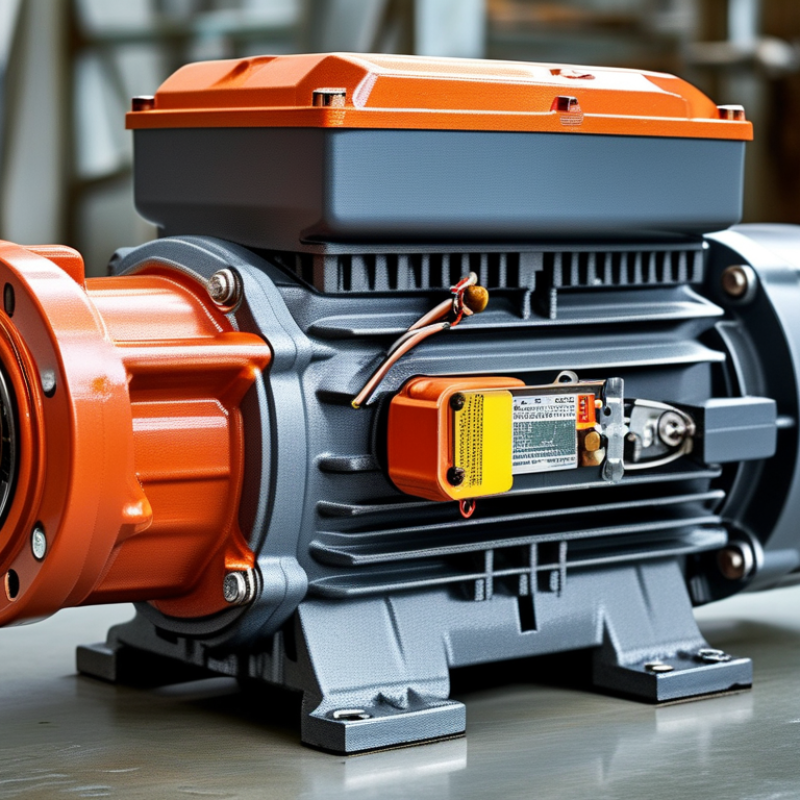
An electrical pump motor is a device that converts electrical energy into mechanical energy. It plays a crucial role in various applications, from residential water systems to industrial processes. These motors are designed to power pumps, which move fluids from one location to another, making them essential in many fields.
The functionality of an electrical pump motor relies on several key components. The stator creates a magnetic field, while the rotor, situated within it, rotates when electricity is applied. This rotation drives the pump impeller, which is responsible for fluid movement. Understanding these parts can help with maintenance and troubleshooting.
Tips: Regular maintenance of the motor can enhance its longevity. Inspect wiring and connections frequently for wear. It's also important to monitor the motor's temperature during operation. Excess heat can indicate potential issues. Measure voltage and current levels periodically. Doing so can reveal performance problems early on, saving time and money.
Key Components of Electric Pump Motors: Understanding the Parts and Their Roles
Electric pump motors play a crucial role in various industries. They consist of several key components, each vital for optimal performance. The main components typically include the stator, rotor, bearings, and housing. The stator, usually stationary, creates a magnetic field. This interaction initiates the rotor's movement, converting electrical energy into mechanical energy.
Bearings support the rotor's rotation, minimizing friction. According to a report by the International Energy Agency, electric motors account for approximately 45% of global electricity consumption in industrial settings. This highlights the importance of efficient electric pump motor design. Many systems are now integrating variable frequency drives to enhance efficiency and reduce energy costs.
Maintenance is often overlooked, yet it impacts performance. Regular inspections could prevent failures caused by wear or overheating. For instance, outdated bearings may lead to increased resistance, affecting overall operation. By understanding these components, users can better appreciate the challenges of electric pump motor efficiency and longevity. Each component has intricate roles that require attention for sustained performance.
The Working Principle of Electrical Pump Motors: How They Generate Movement
Electric pump motors play a crucial role in various industrial applications, providing efficient movement of fluids. They operate by converting electrical energy into mechanical energy. This process involves using electromagnetic forces to create rotational motion. In a typical setup, a stator generates a rotating magnetic field, while the rotor, located within the stator, interacts with this field to produce movement.
According to a report from the International Energy Agency, pump systems consume approximately 20% of global electricity. Efficient electric pump motors can significantly reduce this consumption. They often utilize variable frequency drives, which adjust motor speed based on demand. This not only saves energy but also reduces wear and tear on components, enhancing overall reliability.
However, there are challenges. Not all electric pump motors achieve optimal efficiency. Factors such as improper sizing, installation errors, and maintenance neglect can lead to performance issues. In fact, a study by the U.S. Department of Energy indicates that up to 30% of pump systems operate inefficiently. Addressing these areas can greatly improve operational efficiency and reliability in electric pump motor applications.
Performance Metrics: Efficiency Ratings and Power Specifications in Pump Motors
When discussing electrical pump motors, efficiency ratings and power specifications are crucial. Efficiency ratings help determine how effectively a motor converts electrical energy into mechanical energy. A higher efficiency rating signifies less wasted energy, which is vital in reducing operating costs. Understanding these metrics aids in choosing the right pump motor for specific applications.
Power specifications, including voltage and amperage, can influence a motor's performance. The specifications must align with system requirements to avoid underperformance. For instance, a motor operating at a lower voltage than required may not achieve optimal flow rates. It's also essential to recognize that not all motors operate efficiently across all conditions. When manufacturers provide performance data, users must consider the real-world application of that information.
It's common for users to overlook these specifications. A high-efficiency rating does not always translate to effective performance in every setting. Users should reflect on the operating conditions and application requirements. Often, detailed calculations and adjustments are necessary to optimize performance. This helps avoid the pitfalls of misapplication and ensures reliability in pump systems.
Applications of Electrical Pump Motors: Industries Utilizing This Technology
Electrical pump motors are crucial in various industries. They drive pumps that move fluids for different applications. These motors enhance efficiency and reliability in operations. Common sectors utilizing electrical pump motors include agriculture, water treatment, and manufacturing.
In agriculture, irrigation systems often rely on electrical pump motors. They ensure consistent water supply to crops. This helps optimize growth and yields. In water treatment facilities, these motors play a vital role. They move water through filtration systems. This process is essential for providing safe drinking water.
Manufacturing industries also benefit significantly. Electrical pump motors transport chemicals and other fluids in production lines. This automation increases production speed and safety. However, some challenges remain. Regular maintenance is necessary to prevent breakdowns. Additionally, energy efficiency is a constant consideration. Over time, older motors can consume more energy, reflecting the need for upgrades. This underscores the importance of ongoing evaluation in industry practices.
What is an Electrical Pump Motor and How Does it Work? - Applications of Electrical Pump Motors: Industries Utilizing This Technology
| Dimension | Data |
| Motor Type | Synchronous, Induction |
| Power Range | 0.5 HP - 500 HP |
| Voltage Rating | 120V, 240V, 480V |
| Efficiency | 80% - 95% |
| Application Industries | Manufacturing, Agriculture, Water Treatment, Oil & Gas |
| Common Use Cases | Pumping Water, Chemical Processing, HVAC Systems |
| Control Options | Manual, Automatic, Remote |
| Typical Lifespan | 15 - 20 years |