What is a Diode Laser Machine and How Does it Work?
In the evolving landscape of modern technology, the "Diode Laser Machine" has garnered significant interest. Dr. Sarah L. Thompson, a leading expert in laser technology, states, "The diode laser machine is transforming industries with precision and efficiency." This sentiment echoes the growing reliance on these machines in various applications, from medical treatments to industrial uses.
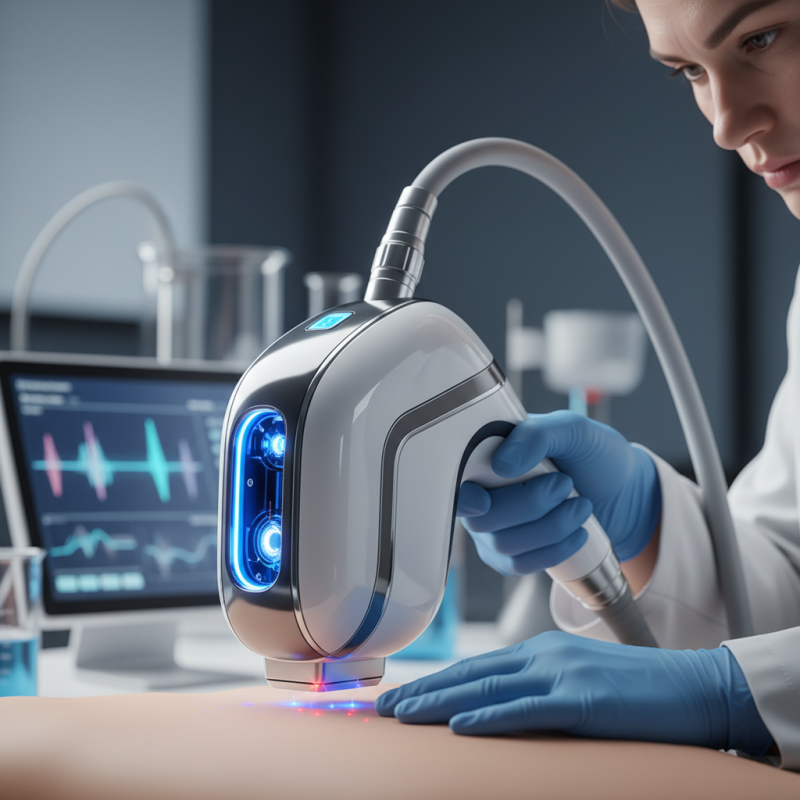
A diode laser machine utilizes semiconductor technology to produce laser light. This innovation allows for compact designs and high efficiency. Their applications range widely, offering solutions in hair removal, skin rejuvenation, and even cutting materials. The versatility of these machines is impressive, yet they require expertise to operate effectively.
Despite their advantages, discussions about diode laser machines often overlook challenges. For instance, proper calibration is vital to achieve desired results. Moreover, users must be aware of varying skin types and conditions when employing these machines for cosmetic purposes. Striving for better understanding, the field continues to grow, highlighting the need for education and responsible usage of diode laser machines.
Understanding Diode Lasers: Definition and Applications
Diode lasers, a popular technology, are used in various applications. They are semiconductor devices that emit light when an electric current passes through them. This light is typically in the infrared spectrum. The compact size and energy efficiency make diode lasers ideal for many settings, including medical, industrial, and consumer markets.
In medical applications, diode lasers are often used for precise surgical procedures. Their ability to focus on small areas reduces damage to surrounding tissues. In the beauty industry, they are effective for hair removal and skin rejuvenation. Industrially, diode lasers assist in cutting materials and quality control processes. Despite their advantages, users must be cautious. Inadequate training can lead to improper handling, causing safety concerns.
Understanding diode lasers also requires awareness of limitations. For instance, they may not be suitable for all materials. Their wavelength may have restrictions when working with certain surfaces. It’s essential to evaluate each application closely, ensuring that the right tools are used for the job. Balancing efficiency and safety will lead to better outcomes.
Components of a Diode Laser Machine and Their Functions
Diode laser machines are becoming increasingly popular in various industries. These machines rely on several key components that work together to produce a coherent light beam. Understanding these components is essential for anyone looking to leverage diode laser technology.
The heart of a diode laser machine is the laser diode itself. This semiconductor device emits light when an electric current passes through it. The efficiency of diode lasers can reach over 50%, which is significantly higher than traditional laser technologies. This means less energy is wasted during operation, making them more cost-effective.
Another crucial component is the cooling system. Efficient cooling is vital for maintaining optimal performance and prolonging the diode's lifespan. Typically, a water-cooling system is used, which can reduce the temperature of the laser diodes to as low as 20°C. Additionally, the optics within the machine, such as lenses and mirrors, focus and direct the laser beam accurately.
Despite the advantages, some challenges exist. The alignment of these optical components is critical. Misalignment can lead to diminished performance or ineffective cutting and engraving. Understanding these aspects is vital for anyone in the industry. Proper training and knowledge about the components can help navigate the complexities of diode laser technology.
What is a Diode Laser Machine and How Does it Work? - Components of a Diode Laser Machine and Their Functions
| Component | Function |
| Laser Diode | Generates the laser beam using semiconductor technology. |
| Cooling System | Maintains optimal operating temperature for the laser diode. |
| Optical Lens | Focuses the laser beam onto the material being processed. |
| Power Supply | Provides the necessary power for the laser diodes to operate. |
| Control System | Regulates the operation parameters, including power output and speed. |
| Cooling Fans | Helps in maintaining temperature and cooling down the system. |
| Workbench | Provides a stable platform for the material being processed. |
| Safety Covers | Protects users from laser exposure and ensures safety during operation. |
How Diode Lasers Generate Light: The Mechanism Explained
Diode lasers are versatile tools used in various fields, including medicine, manufacturing, and research. The core functioning of a diode laser involves the process of electroluminescence. When an electric current passes through the semiconductor material of the diode, it excites the electrons. As these electrons return to their normal state, they release energy in the form of light.
The light generated is usually coherent and monochromatic, meaning it is of a single wavelength. This property allows for precision applications, such as laser hair removal or precision cutting in manufacturing. Understanding the specific mechanisms of diode lasers helps in optimizing their use for various applications.
**Tip:** When choosing a diode laser machine, consider its wavelength. Different wavelengths target different tissues or materials effectively.
The efficiency of diode lasers can vary greatly. Factors like temperature and material quality play significant roles. Poor heat dissipation can affect performance and longevity. Users need to monitor these factors if they want to ensure optimal operation.
**Tip:** Regular maintenance checks can help identify performance issues early. This is crucial to avoid downtime and costly repairs.
Common Uses of Diode Laser Machines in Industry and Medicine
Diode laser machines are widely used in various industries and medical settings. Their versatility makes them invaluable tools for precision work. In medical applications, these machines excel in dermatology. They effectively treat skin conditions like acne and pigmentation. The laser technology aids in hair removal, providing a long-lasting solution. Professionals appreciate the reduced recovery time for patients.
In industrial settings, diode lasers are used for cutting and welding materials. Their ability to focus on small areas allows for intricate designs. This precision benefits industries like electronics and automotive. While the technology is reliable, challenges exist. Operators must ensure the correct settings to avoid damage. Training is essential to maximize the benefits of these machines.
Overall, diode laser machines represent significant advancements in both medical and industrial domains. Their capabilities are expanding, yet the importance of skilled operation cannot be overstated. Identifying the right applications remains a vital consideration for users.
Advantages and Limitations of Diode Laser Technology
Diode laser technology has become a significant advancement in various industries, particularly in medical and aesthetic applications. One of the primary advantages of diode lasers is their efficiency. According to a report by the Medical Laser Association, diode lasers can convert over 50% of electrical energy into light. This efficiency results in lower energy consumption and reduced operating costs, making them attractive for both clinics and practitioners.
However, diode lasers also come with limitations. The depth of tissue penetration is often less compared to other laser types. Studies indicate that while they are effective for superficial treatments, their efficacy may decrease with deeper tissue. This can restrict their use in certain medical procedures requiring deeper targeted effects. Additionally, diode lasers can generate heat in the tissue, which may lead to discomfort during procedures. Practitioners must navigate these variables cautiously to deliver optimal patient outcomes.
The fast-paced evolution of diode laser technology sees ongoing research into enhancing their capabilities. Some experts question if the current limitations will be overcome in the near future. With continued advancements, there could be a potential shift in how these lasers are utilized across various applications, improving their functionality and patient experiences.
Advantages and Limitations of Diode Laser Technology