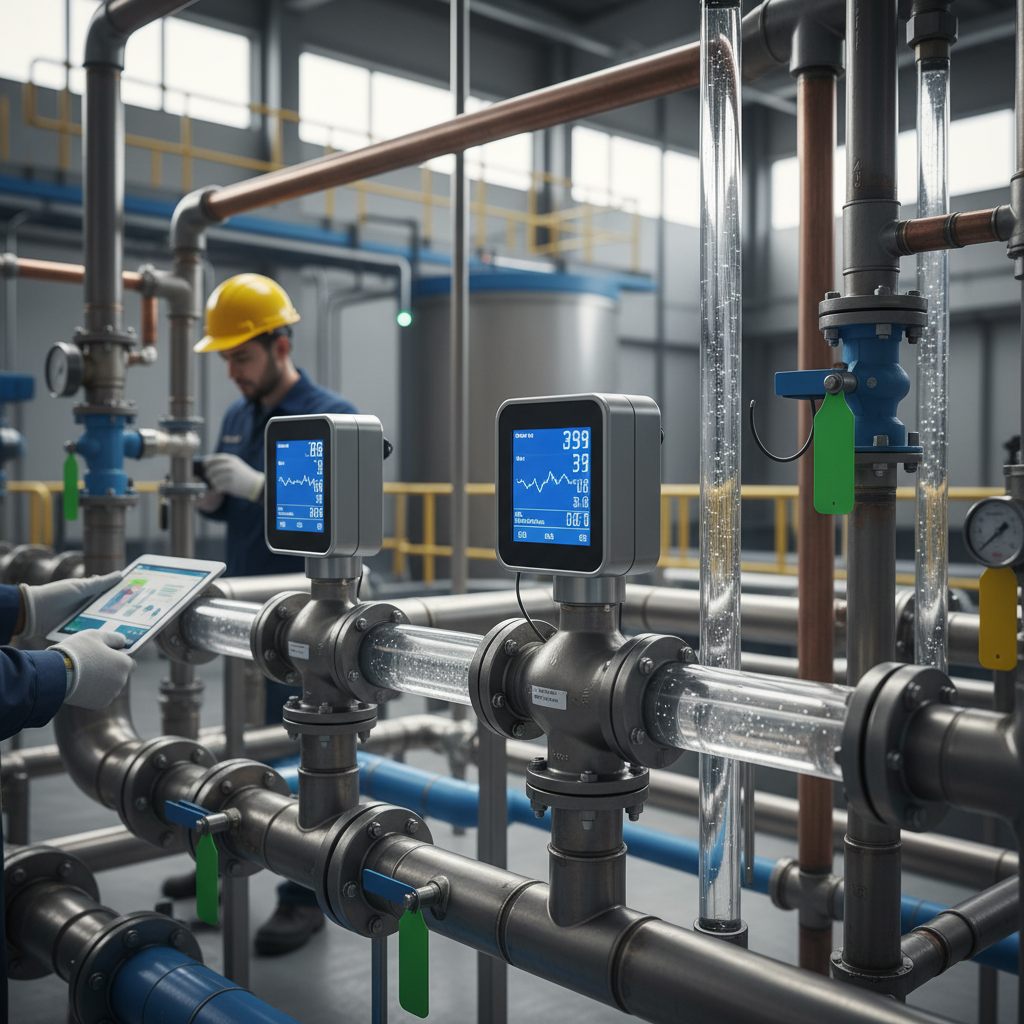
What is a Digital Water Flow Meter and How It Improves Water Management Efficiency
In an era where water scarcity and management efficiency are critical concerns, the adoption of advanced technologies such as the Digital Water Flow Meter plays a pivotal role in optimizing resource consumption. According to a report by the U.S. Environmental Protection Agency, nearly 6 billion gallons of treated water are lost daily due to system inefficiencies, underscoring the need for improved monitoring solutions.
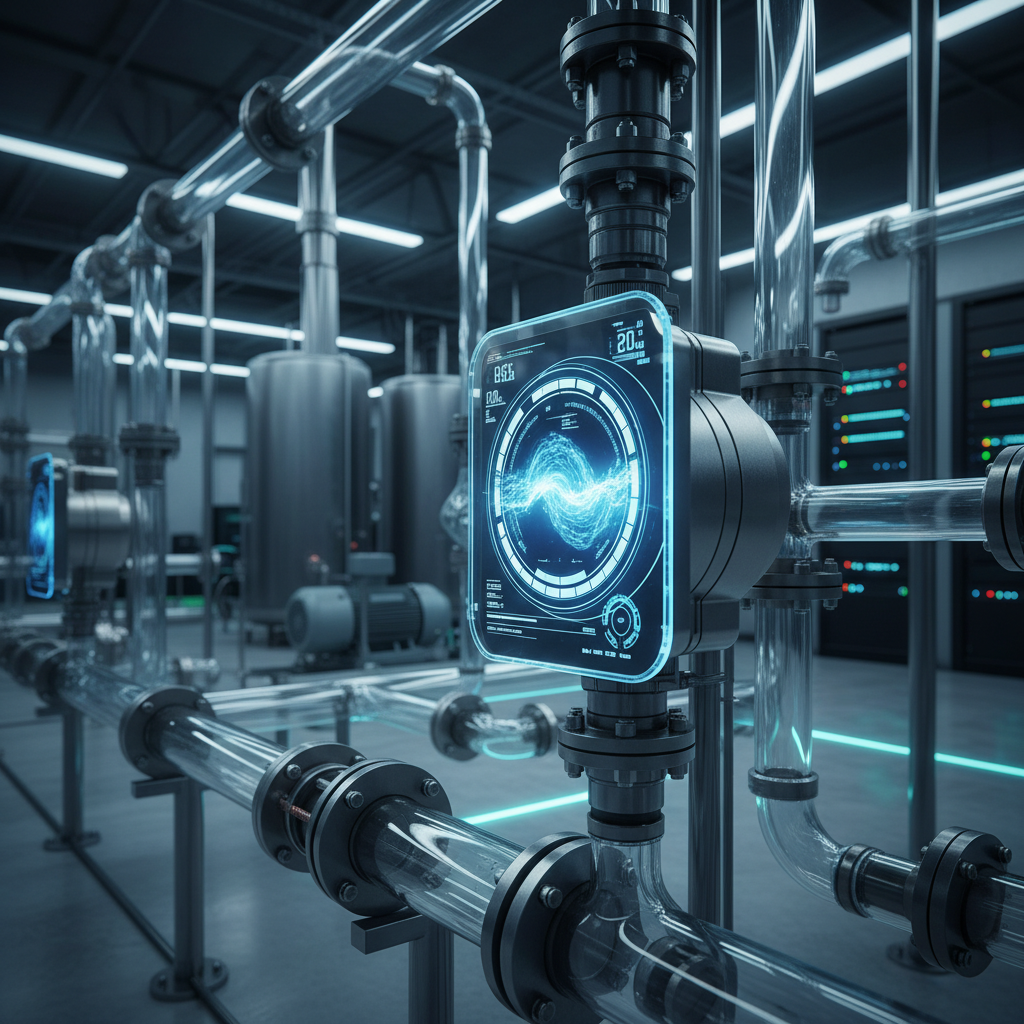 Digital Water Flow Meters offer precision in tracking water usage, facilitating real-time data analysis that aids in identifying leaks and optimizing distribution, ultimately driving sustainable practices in both residential and industrial settings.
The implementation of Digital Water Flow Meters not only streamlines water management but also enhances operational efficiency across various sectors. The World Bank has estimated that investing in smart water grid technologies could yield savings of up to 30% in water consumption, which translates to significant cost reductions and environmental benefits. By integrating Digital Water Flow Meters into water distribution networks, municipalities and industries can harness valuable insights, leading to better decision-making and proactive management strategies that safeguard vital water resources for future generations.
Understanding the Basics of Digital Water Flow Meters
Digital water flow meters have emerged as essential tools in modern water management, offering enhanced accuracy and efficiency in monitoring water usage. Unlike traditional mechanical flow meters, which can suffer from wear and inaccuracies over time, digital water flow meters utilize advanced electronic components to provide real-time data. According to a report from the Global Water Management Market, the adoption of digital flow measurement technology is expected to grow at a CAGR of 11.2% from 2021 to 2026, underscoring the increasing importance of precision in water resource management.
These devices can measure water flow with remarkable precision, creating opportunities for improved conservation and resource allocation. For instance, a study by the American Water Works Association indicates that substantial water losses—estimated to be around 14% of total water supply due to leaks and inefficiencies—can be significantly mitigated through the adoption of digital flow metering. By providing detailed insights into water consumption patterns, digital meters enable municipalities and industries to identify areas for optimization, ultimately leading to more sustainable water management practices.
Key Features and Technologies Behind Digital Water Flow Meters
Digital water flow meters are revolutionizing the way we manage water resources, leveraging cutting-edge technologies to enhance efficiency and accuracy in water measurement. These devices utilize advanced sensors and data analytics to provide real-time insights into water usage, detecting variations in flow and identifying leaks instantly. The integration of IoT connectivity allows for remote monitoring, enabling users to make informed decisions based on data collected over time, leading to optimized water management strategies.
Key features of digital water flow meters include high precision measurement capabilities, which can significantly reduce discrepancies in flow readings compared to traditional meters. Many models are equipped with smart features such as customizable alert systems for abnormal flow rates, automatic calibration processes, and compatibility with various management software. Such technologies not only improve operational efficiency but also contribute to sustainability efforts by minimizing water waste and promoting more responsible usage.
As showcased in recent industrial expos, the evolution of these digital solutions demonstrates a commitment to innovation in the field of resource management.
Benefits of Implementing Digital Water Flow Meters in Water Management
Digital water flow meters play a crucial role in enhancing water management efficiency. By providing accurate and real-time data on water usage, these devices enable organizations to monitor and control their water resources more effectively. This precision aids in identifying inefficiencies and potential leaks, leading to significant water conservation. Moreover, the integration of digital water flow meters into existing water management systems can facilitate better decision-making, ensuring that water is used judiciously and sustainably.
Implementing digital water flow meters also supports compliance with regulations aimed at conserving water supplies. For instance, in regions facing water scarcity, such as Karnataka, governments are now mandating the installation of meters to track groundwater use and establish extraction charges. Such measures not only promote responsible water usage among consumers but also encourage investments in technology for better water resource management. As innovations continue to emerge, the collaboration between technology and water management will be vital to addressing global water challenges effectively.
Water Flow Meter Data Analysis
This chart illustrates the monthly water flow data captured by digital water flow meters over a six-month period, showcasing the fluctuations and trends that assist in improving water management efficiency.
Steps to Integrate Digital Water Flow Meters into Existing Systems
Integrating digital water flow meters into existing systems requires a strategic approach to ensure seamless functionality and improved water management efficiency. The first step involves assessing the current infrastructure and identifying the ideal locations for meter installation. This assessment should consider factors such as water pressure, flow rates, and potential disruptions to service. It's essential to choose meters that are compatible with existing hardware and software to facilitate easy integration and data collection.
Once the appropriate meters have been selected, the next phase is to install the devices, which may involve retrofitting current pipes and valves to accommodate the digital technology. During installation, it is crucial to conduct thorough testing to verify accuracy and reliability. Training personnel on the use of new systems and ensuring they understand the data output will enhance operational efficiency. Finally, establishing a routine for data analysis and system maintenance is vital to optimize the performance of the digital water flow meters, allowing for timely adjustments and improved management of water resources.
What is a Digital Water Flow Meter and How It Improves Water Management Efficiency
| Parameter |
Description |
Impact on Water Management |
| Flow Rate Measurement |
Real-time measurement of water flow rates. |
Allows for timely adjustments in water distribution. |
| Data Logging |
Automatic collection and storage of flow data. |
Facilitates long-term analysis and reporting. |
| Remote Monitoring |
Access to flow data from remote locations via IoT. |
Enhances response time to leaks and system issues. |
| Real-time Alerts |
Immediate notifications for abnormal flow conditions. |
Allows for proactive management of water resources. |
| Integration with Existing Systems |
Compatibility with current water management tools and software. |
Streamlines operations and maximizes resource utilization. |
Best Practices for Maintaining and Monitoring Digital Water Flow Meters
Digital water flow meters play a critical role in optimizing water management efficiency, particularly in an era where sustainability and climate resilience are key concerns. These advanced devices provide precise measurements of water usage, allowing for better allocation and conservation strategies. However, to maximize their effectiveness, it's essential to implement best practices for maintenance and monitoring.
One effective tip for maintaining digital water flow meters is to ensure regular calibration. This process guarantees accurate readings, which are crucial for making informed decisions about water distribution and conservation efforts.
Another best practice involves periodic inspection of the meters for any signs of wear or buildup. Cleaning the sensors and ensuring that the installation environment remains free from debris can significantly extend the lifespan of the equipment.
Additionally, integrating these meters with smart technology can enhance monitoring capabilities, providing real-time data and alerts for unusual flow patterns. This proactive approach not only aids in detecting leaks promptly but also fosters a more sustainable water management strategy.