How to Choose the Right Pipe Fitting for Your Project?
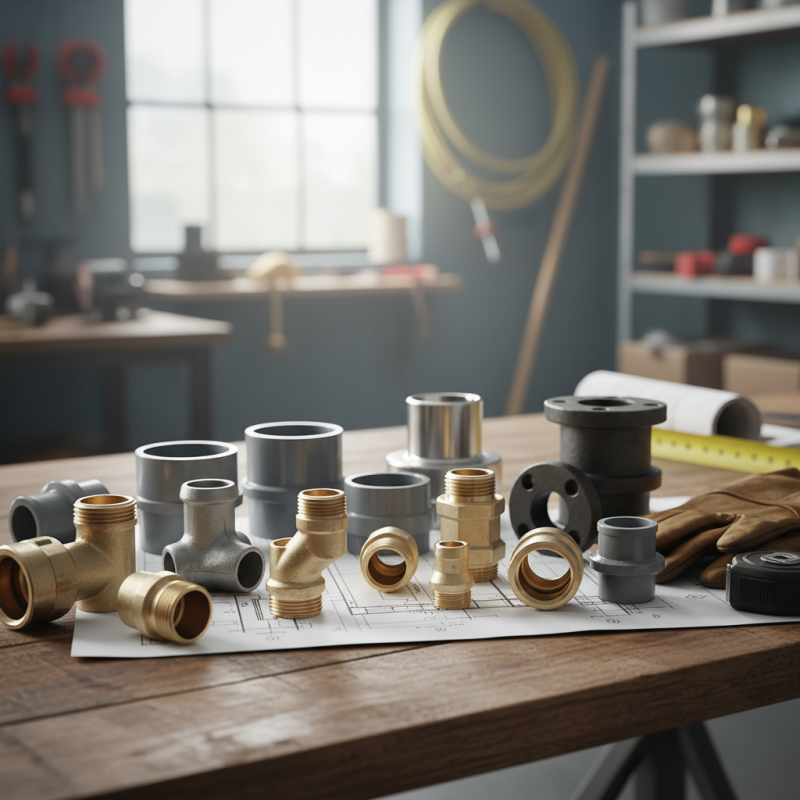
When embarking on a project that requires a Pipe Fitting, careful selection is crucial. Pipe fittings connect pipes, ensuring fluid dynamics run smoothly. Choosing the right one can determine the success of your plumbing or construction project.
Understanding the various types of pipe fittings is essential. Each type serves a specific purpose in directing, controlling, or sealing flow. The material and size also matter. A mismatched fitting can lead to leaks, costly repairs, or project delays.
Experience suggests that not all fittings are created equal. Some may rust or degrade faster than others. Take time to assess your project's unique needs. Reflect on what has worked well previously and what hasn’t. The right pipe fitting should enhance efficiency, reduce waste, and withstand time.
Understanding Different Types of Pipe Fittings for Various Applications
When embarking on a plumbing project, understanding different types of pipe fittings is crucial. Each fitting serves specific purposes and applications. Common options include elbows, tees, reducers, and couplings. Elbows allow for directional changes, while tees enable branching. Reducers connect pipes of various diameters, and couplings join similar pipes. Choosing wisely can prevent leaks and ensure a seamless flow.
Tip: Always consider the material of the fittings. Options like PVC, copper, and stainless steel offer varying durability and compatibility. Evaluate the environment; some materials resist corrosion better than others.
Think about the pressure and temperature your pipes will encounter. Not all fittings are suited for high-pressure systems. Mismatched fittings can lead to failures, which might cause costly repairs.
Tip: Consult with a plumbing expert or engineer when in doubt. Their experience can guide you towards the best choices for your specific needs. Engaging in a dialogue can reveal options you might have overlooked.
Key Factors to Consider When Selecting Pipe Fittings
Selecting the right pipe fittings is crucial for the success of any project. The first factor to consider is the material. Options include PVC, metal, and glass. Each material has unique properties. For example, according to industry reports, PVC fittings are lightweight and cost-effective, suitable for many plumbing applications. Metal fittings, however, offer durability and strength, necessary for high-pressure systems.
Another critical consideration is the fitting size. Accurate measurements prevent leaks and ensure proper flow. According to the American Society of Plumbing Engineers, improper sizing can lead to a 25% decrease in system efficiency. Additionally, the specific application influences fitting choice. For instance, high-temperature applications require fittings designed to withstand extreme conditions.
Lastly, standards and certifications matter. Fittings must comply with regulations set by authorities like ASTM or ASME. This ensures safety and functionality. Inconsistent quality can lead to failures, causing project delays. Hence, it’s vital to verify that selected fittings meet industry standards. The right combination of material, size, and compliance guarantees project success.
Pipe Fitting Selection Criteria
This chart illustrates the key factors to consider when selecting pipe fittings, rated by their importance on a scale of 1 to 10. Understanding these factors can help in making an informed choice for your project.
Material Compatibility: Choosing the Right Substance for Your Project
When selecting pipe fittings, material compatibility is crucial. Not all substances can handle the same pressures, temperatures, or corrosive environments. According to a report by the American Society for Testing and Materials (ASTM), nearly 25% of system failures result from unsuitable material choices. Polyvinyl chloride (PVC) cannot withstand high temperatures, while metal fittings can corrode in acidic conditions. Knowing the specific demands of your project is vital to avoid failures.
Consider using stainless steel for applications involving water, gas, or chemicals. Stainless steel resists oxidation and corrosion, contributing to a longer system lifespan. A technical paper from the International Journal of Engineering pointed out that using the right material can extend the service life of piping systems by up to 30%. On the other hand, plastic fittings are lightweight and resistant to many chemicals but may warp under high pressure or heat.
Evaluate these factors carefully. Mismatched materials can lead to leaks or catastrophic failures. The complexity of your system will often reveal the need for diverse materials. Not every fitting will perform flawlessly in every environment. Understanding these nuances can significantly impact your project’s success.
Sizing and Measurement: Ensuring Proper Fit for Pipe Fittings
Choosing the right pipe fittings is crucial for any project involving plumbing or HVAC systems. Sizing and measurement play a vital role in ensuring a proper fit. If the fitting is too large or too small, it can lead to leaks or system failures. According to industry reports, improper fitting can account for up to 20% of plumbing system failures, making correct sizing essential.
When measuring pipes, consider the diameter and length. Use calipers for precise measurements. Always double-check your measurements before purchasing. Consult with industry standards, such as the American National Standards Institute (ANSI), for guidelines on sizing. Each fitting type may have specific requirements that must be followed for a secure connection.
Tip: Always allow for tolerances. Pipes can expand or contract based on temperature. Ensure that your chosen fittings accommodate these changes. Another tip is to consider the material of the pipes. Different materials may have different requirements for fitting compatibility.
Remember, errors in measurement are common. Take your time to avoid costly mistakes. Reflect on past projects where mistakes were made. Learning from these experiences can improve your accuracy. Accurate fittings ensure a reliable, efficient system that operates effectively for years.
Common Installation Techniques for Pipe Fittings and Their Best Practices
When it comes to installing pipe fittings, the technique you choose can significantly impact the integrity of your project. Proper alignment is crucial. If the pipes are misaligned, it can cause unnecessary stress, leading to leaks. Therefore, taking extra time at the beginning to ensure everything is level and aligned can save you headaches later.
Tips: Always dry-fit the pipes and fittings before finalizing the installation. This means assembling everything without adhesive or solder. It allows you to visualize the layout and make adjustments. A proper fit now means fewer issues in the future.
Using the right tools is equally important. Ensure you have the correct wrenches, cutters, and sealing materials. An improper tool can lead to uneven pressure and weak spots. Remember, even the best fittings won't perform well if they are not installed correctly. Review your installation after completion.
Tips: Consider doing a visual inspection after the fitting is in place. Look for gaps or misalignments. Engaging a second pair of eyes can often catch mistakes you might overlook. It’s better to correct issues now than to deal with them later.
How to Choose the Right Pipe Fitting for Your Project? - Common Installation Techniques for Pipe Fittings and Their Best Practices
| Fitting Type | Common Uses | Installation Technique | Best Practices |
| Elbow | Changing the direction of the pipe | PVC Cement or Soldering | Ensure clean cuts and proper fitting |
| Tee | Connecting three pipes | Soldering or Compression Fittings | Align pipes properly to avoid leaks |
| Reducer | Connecting pipes of different diameters | Slip Joint or Flanged Connection | Check compatibility of sizes thoroughly |
| Cap | Closing the end of a pipe | PVC Cement or Mechanical Cap | Ensure a tight seal to prevent leaks |
| Union | Allowing disconnection of pipes | Threaded or Compression Method | Use thread sealant for better sealing |