How to Choose the Right Packaging Machinery for Your Needs?
When selecting the right Packaging Machinery, it's essential to understand your specific needs. A report by Smithers Pira states that the global packaging machinery market is expected to reach $50 billion by 2025. As the industry grows, so does the complexity in choosing the right equipment. Understanding your requirements is crucial.
"Selecting the right packaging machinery can significantly impact operational efficiency," says Dr. John Geisler, a noted expert in packaging technology. His insights highlight the importance of customizing machinery to fit production processes. Each business is unique, and what works for one may not suit another.
Costs, maintenance, and production speed are vital factors to consider. Even small firms must make informed choices. Poor decisions in packaging machinery can lead to inefficiencies and increased costs. Taking time to evaluate the options can prevent costly mistakes in the long run.
Understanding Different Types of Packaging Machinery Available in the Market
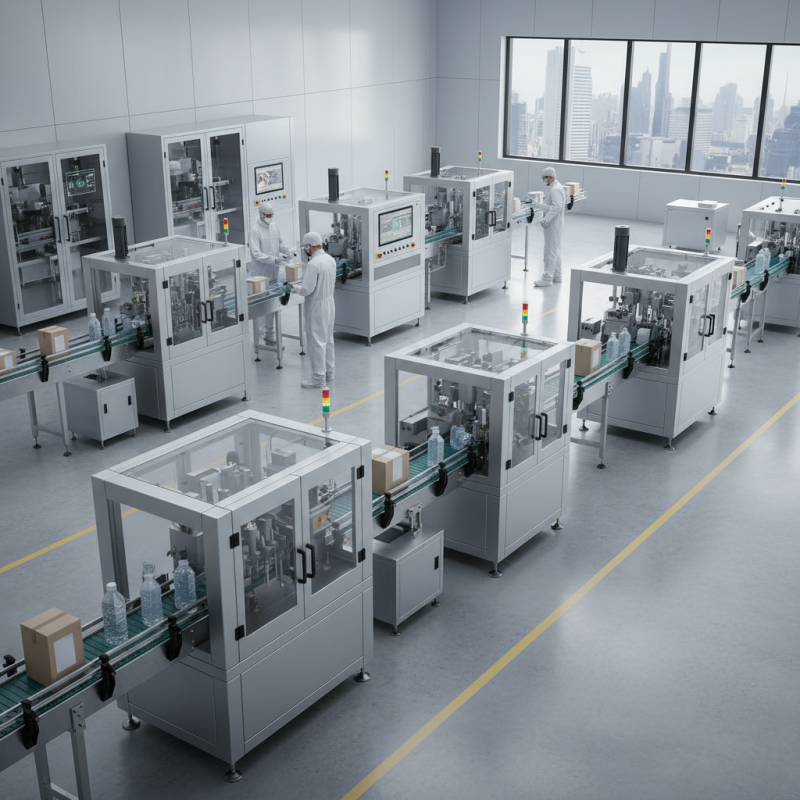
When selecting packaging machinery, it's crucial to understand the various types available. Each type serves unique functions. For instance, vertical form-fill-seal machines are popular in the food industry, known for their speed and efficiency. According to a recent market report, the demand for automated packaging machines has increased by over 20% annually. This trend highlights the industry's shift towards automation.
Tips: Consider the space you have. Different machines come in various sizes. Ensure your facility can accommodate the equipment you choose.
Additionally, there are rotary, horizontal, and shrink packaging machines to consider. Each type offers distinct advantages. Rotary machines provide high-speed production, while horizontal machines allow for varied product sizes. However, this diversity can complicate selection. Many businesses struggle with balancing cost and functionality. The key is evaluating specific packaging needs against machine capabilities.
Tips: Conduct thorough research. Look into your product's requirements. This will lead to better investment and long-term efficiency.
Different Types of Packaging Machinery
Assessing Your Product Specifications and Packaging Requirements
When selecting packaging machinery, it’s essential to assess your product specifications and packaging requirements. Consider the shape, size, and nature of your product. Fragile items may need more protective packaging. A delicate approach to packaging can prevent damage during transport and handling. Additionally, know your production volume. High-volume products require faster machinery, while low-volume products can use simpler solutions.
Tips: Always measure your products accurately. This avoids machinery that is too large or too small. Evaluate your packaging materials too; different materials require different machinery capabilities.
Understand your packaging goals. Are you looking for efficiency, cost-effectiveness, or sustainability? Research various machinery types, from automated systems to manual options. Automation can save time but may involve a higher initial investment. Reflect on your team’s capabilities. Don’t overlook their comfort level with technology. Some may need extra training. Balancing these factors is crucial for making an informed decision.
Evaluating Production Volume and Speed Needs
When evaluating packaging machinery, consider your production volume and speed needs. The type of product you package influences these factors significantly. Let’s say you handle fragile items; slower speeds might help reduce damage during packaging. Analyze your current output levels first. Are you meeting demand? Are there bottlenecks?
Assess your desired growth as well. A machine that fits today's volume may not suffice tomorrow. For instance, if growth is expected, choose machinery that offers scalability. Remember, too fast can lead to mistakes and increased waste. Gaps in packaging can happen. It’s vital to maintain quality while enhancing speed.
Once volume estimations are made, prioritize reliability. A machine that frequently breaks down can hinder production. Seek user reviews and case studies for insights. Discuss with colleagues in your industry to learn from their experiences. Making informed choices reduces risks and increases overall efficiency in your packaging line.
Considering Budget Constraints and Cost of Ownership
When selecting packaging machinery, budget constraints must be a priority. Many manufacturers overlook the total cost of ownership (TCO). A study by PMMI highlights that TCO can be 30% to 50% more than the initial purchase price. Maintenance costs, energy efficiency, and repair frequency all contribute to this figure. Using data to improve decision-making can reduce financial strain.
It's vital to analyze not just the upfront expenses. For instance, energy-efficient machinery may cost more initially but lower utility bills. The packaging industry reports that energy costs account for approximately 15% of operational expenses. A small savings here can lead to significant long-term benefits. Additionally, downtime from equipment failures can lead to revenue loss. Investing in reliable machinery avoids interruptions.
Consider long-term partnerships with equipment suppliers. Many offer service contracts to guarantee repairs and maintenance. A service agreement provides predictable costs and limits unexpected expenses. However, it’s crucial to choose wisely. Some contracts may include hidden fees. Evaluating all aspects ensures informed choices that suit both immediate and future needs.
Researching Manufacturer Reputation and Customer Support Options
When selecting packaging machinery, evaluating manufacturer reputation is crucial. A strong reputation indicates reliability. Look for companies with positive reviews from past customers. Online forums and industry websites offer insights into user experiences. These platforms are valuable for understanding potential issues with specific machines.
Customer support options also play a critical role. Quick and effective support can make a significant difference in daily operations. Check if the manufacturer provides training, installation services, and ongoing maintenance. Assess response times for inquiries and how they handle complaints. This information reveals their commitment to customer satisfaction.
Keep in mind that no manufacturer is perfect. Some may excel in machinery quality but lack in support. Others might offer great service but have outdated technology. It's important to weigh these factors carefully. Consider the experiences of others, but also reflect on your specific needs. Each business is unique, and what works for one may not work for another.