How to Choose the Right Filter Cartridge for Your Needs?
Choosing the right filter cartridge can significantly impact the efficiency of your filtration system. According to Dr. Emily Carter, a leading expert in water treatment, "The right filter cartridge can transform your water quality." This underscores the importance of selecting the appropriate filter cartridge for your specific needs.
When considering a filter cartridge, various factors come into play. Filter type, size, and material matter for optimal performance. For instance, a carbon filter cartridge is ideal for removing chlorine and improving taste. Evaluating your water's specific contaminants can guide your selection process. Ignoring these details may lead to ineffective filtration or the need for frequent replacements.
It's vital to engage with knowledgeable manufacturers or experts. Their guidance can help you navigate the complexities of filter options. Selecting an inadequate filter cartridge may cause frustration and unnecessary costs. Taking the time to make an informed choice will yield long-term benefits for your filtration needs.
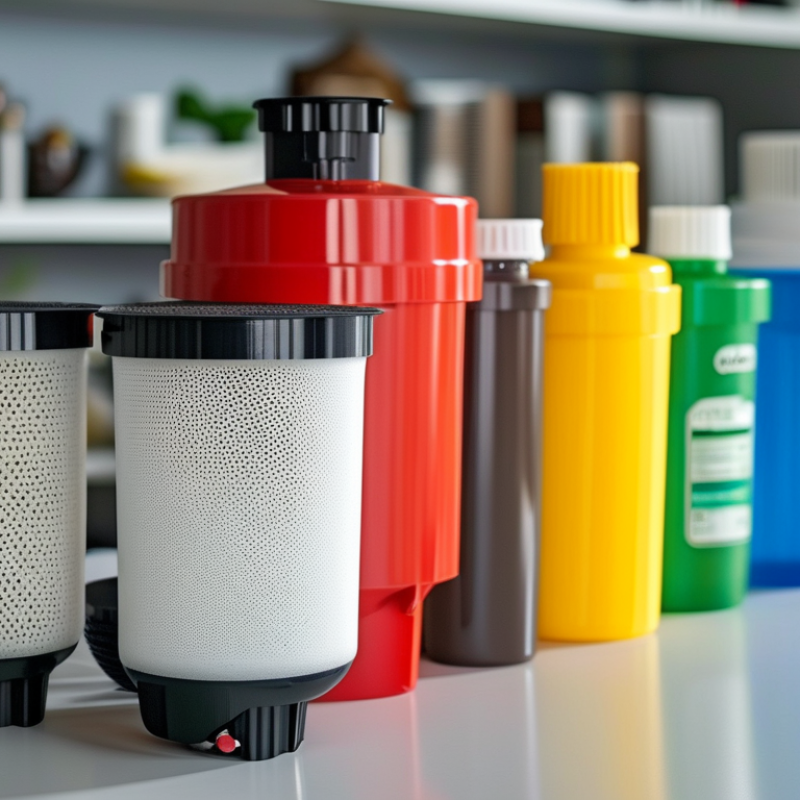
Understanding the Different Types of Filter Cartridges Available
When selecting a filter cartridge, understanding the various types is crucial. Each type meets specific water quality needs. Common categories include sediment, activated carbon, and reverse osmosis cartridges. According to the Water Quality Association, sediment filters effectively remove dirt and rust particles. They are often the first line of defense in water filtration systems.
Activated carbon cartridges excel at reducing chemical contaminants. They target chlorine, volatile organic compounds, and unpleasant odors. A study by the American Water Works Association shows that these filters can remove up to 99% of chlorine from water. Their efficacy makes them popular choices in both residential and commercial settings. However, they may not address all contaminants.
Reverse osmosis cartridges are vital for advanced filtration. They utilize a semi-permeable membrane to remove impurities down to the molecular level. This process ensures clean and safe drinking water. Yet, users should consider that these systems can waste water. Understanding these trade-offs helps in making informed decisions. Identifying your specific needs will guide you in choosing the right filter cartridge.
Key Factors to Consider When Selecting a Filter Cartridge
Choosing the right filter cartridge is crucial. Different factors affect your selection. Consider your specific needs carefully. The type of contaminants in your water is a key factor. Are you filtering sediment, chemicals, or bacteria? Knowing this will guide your choice.
Another important aspect is flow rate. A filter cartridge that cannot handle your desired flow will lead to frustrations. It’s essential to match the cartridge's capacity with your usage. Additionally, think about your filter's lifespan. Some cartridges need frequent replacements, while others are more durable.
Material is also significant. Activated carbon, ceramic, and synthetic filters offer different benefits. Research the materials to understand how they work. Consider your environmental impact as well. Sometimes, the best choice is not the most expensive. Reflect on what fits your lifestyle best and seek advice if necessary.
Assessing Your Water Quality and Contaminants
Assessing water quality is crucial for selecting the right filter cartridge. Start with a water test kit. These kits can identify contaminants like lead, chlorine, and bacteria. According to the Centers for Disease Control and Prevention (CDC), nearly 10% of U.S. households have lead in their water supply. Addressing this issue requires appropriate filtration solutions.
Consider the specific contaminants present in your water. The Environmental Protection Agency (EPA) sets regulations for certain pollutants. For example, their data shows that common issues include sediment and heavy metals. A study from the World Health Organization (WHO) indicates that poor water quality can lead to serious health risks. Many people overlook these risks, focusing only on taste and odor.
Choosing a filter cartridge isn't just about removing visible impurities. It's about ensuring safe drinking water. The cartridge's lifespan also matters. Some filters will need replacing after a few months, while others last longer. Regularly checking your water quality should be a part of your routine. If contaminants fluctuate, you may need a different filtration solution.
Determining the Appropriate Flow Rate for Your Needs
Choosing the right flow rate is essential when selecting a filter cartridge. The flow rate determines how quickly water passes through the filter. A filter with a suitable flow rate ensures maximum efficiency and longevity. If the flow rate is too high, the filter may not effectively capture contaminants. Conversely, a low flow rate can lead to slow filtration, causing inconvenience.
To determine your required flow rate, assess your water usage. Consider factors like the number of users and peak usage times. For instance, a family of four may need a higher flow rate than a single person. It's vital to check the specifications of the filter options available. Many manufacturers provide flow rate recommendations based on common household needs. However, reflecting on real-world use is crucial.
Sometimes, users underestimate their flow requirements. This can lead to frustration when the water flow is insufficient. Engaging in discussions with professionals can offer additional insight. They can provide tailored advice based on your unique situation. Remember, the goal is to balance efficiency with practicality. Make sure your final choice aligns with your lifestyle demands.
How to Choose the Right Filter Cartridge for Your Needs? - Determining the Appropriate Flow Rate for Your Needs
| Filter Type | Flow Rate (GPM) | Micron Rating | Material | Lifetime (Months) |
| Activated Carbon | 1 - 3 | 5 | Carbon | 6 |
| Sediment Filter | 4 - 10 | 1 | Polypropylene | 12 |
| Reverse Osmosis | 0.5 - 2 | 0.0001 | Thin Film Composite | 24 |
| Pleated Filter | 3 - 15 | 1 - 50 | Polyester | 12 |
| Carbon Block | 1 - 5 | 5 | Carbon | 10 |
Evaluating Cost and Maintenance of Filter Cartridge Options
Choosing the right filter cartridge involves understanding cost and maintenance. An average household spends about $200 annually on water filtration. However, costs fluctuate significantly depending on cartridge type. For instance, carbon filters are typically cheaper but require frequent changes. These filters need replacement every 2 to 6 months. Overspending on low-quality products can lead to higher long-term costs.
Maintenance is another crucial factor. Research indicates that neglecting timely cartridge changes can result in reduced filtration effectiveness. A report from the Water Quality Association states that 70% of users do not change their cartridges regularly. This negligence compromises water quality. Additionally, installation and replacement complexity can vary. Some cartridges can be installed easily, while others require professional assistance. This can incur extra costs, adding to your budget.
Balancing upfront costs with future maintenance is essential. Some higher-quality cartridges may seem expensive initially but often last longer. A durable option can save money and reduce waste. Users must reflect on their specific needs and usage patterns before deciding. Therefore, carefully evaluating these aspects ensures better performance and savings over time.