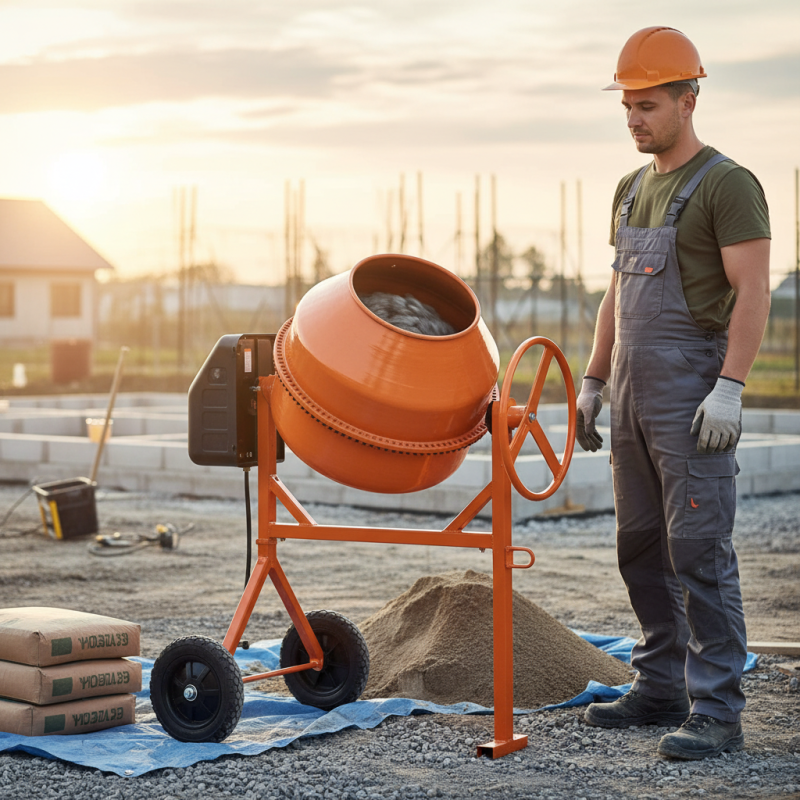
How to Choose the Best Small Cement Mixer for Concrete?
Choosing the right equipment for a concrete project is crucial. A small cement mixer can be an excellent option for many applications. This guide focuses on how to select the best Small Cement Mixer Concrete for your needs.
When looking for a small cement mixer, consider your project size and frequency of use. Some mixers are designed for light tasks, while others handle heavier workloads. You might find it challenging to balance size and capacity. This decision impacts efficiency and durability.
Efficiency is also about usability. A user-friendly mixer saves time and reduces frustration. It’s vital to evaluate the mixer’s features, such as drum size and mixing speed. Each detail contributes to a smoother mixing process. The wrong choice could lead to unnecessary delays or poor-quality concrete. Reflect on your previous experiences to avoid repeating past mistakes, and always aim for reliability in your equipment choice.
Types of Small Cement Mixers for Concrete Projects
When selecting a small cement mixer for your concrete projects, it’s essential to understand the different types available. Portable mixers are popular for DIY tasks. They are lightweight and easy to transport. These mixers usually come with a 5 to 10 cubic foot capacity, making them suitable for small to mid-sized jobs.
Stationary mixers offer another option. They are typically larger and more robust, perfect for projects requiring a continuous supply of concrete. However, they are less mobile. This type is great for larger residential tasks or small commercial projects. Consider your project scale before deciding.
Tips: Always check the mixing capacity and power source. Electric mixers suit small spaces, while gas-powered models provide more power. Remember that some users find mixing consistency challenging. Seek out models that allow easy access for cleaning and maintenance. Ensure your mixer is compatible with your specific project requirements.
Key Specifications to Consider When Choosing a Cement Mixer
When choosing a small cement mixer for concrete, key specifications play a crucial role. One of the most important factors to consider is the mixer’s capacity. A typical small mixer ranges from 1.5 to 3 cubic feet. According to industry reports, a 2-cubic-foot mixer can yield up to 120 pounds of concrete mix. This amount is usually sufficient for small projects like patios or pathways.
Another critical aspect is the power of the motor. Most small cement mixers are powered by either electric or gas motors. Electric motors usually provide about 1 to 1.5 horsepower. Research indicates that electric mixers are quieter and cleaner, while gas motors offer more mobility on job sites. However, gas engines might require more maintenance and can be less stable in performance.
Portability is often overlooked but is vital for effective use. Small mixers with wheels can facilitate easy movement. The weight of the mixer and its design can impact usability. A heavier mixer may offer stability, but it can also become cumbersome. Evaluating your specific needs will help direct you toward the best choice for your projects. Different applications demand different specifications. Understanding these nuances is essential for achieving the best results.
Evaluating Capacity Needs for Your Small Cement Mixer
When choosing a small cement mixer, capacity needs are crucial. A mixer’s capacity defines how much concrete you can prepare at once. Consider the size of your projects. For small DIY jobs, a mixer with a capacity of 2 to 3 cubic feet usually suffices. However, larger projects may require mixers with a capacity of 4 to 9 cubic feet.
One tip is to visualize your typical project size. If you plan to mix enough concrete for a small patio or sidewalk, a smaller mixer is ideal. If you need to prepare concrete for a foundation, invest in a larger capacity. Additionally, think about the space where you will operate the mixer. A compact design might be more suitable for tight areas, while larger mixers need ample space for setup.
Don’t overlook the weight limitation. Choose a mixer that can handle the materials you expect to use. For instance, concrete is heavy. A small mixer may struggle with larger batches if loaded excessively. Reflect on how often you will use it. A higher capacity mixer may be a great investment if you have ongoing projects.
Comparing Electric vs. Gasoline-Powered Cement Mixers
When choosing a small cement mixer, the choice between electric and gasoline-powered options can be crucial. Electric mixers are often lighter and easier to operate. They are quieter and produce no fumes, making them ideal for indoor use. With lower maintenance costs, they are a convenient choice for small projects. However, one limitation is the requirement of a power outlet, which can restrict where you work.
On the other hand, gasoline-powered mixers offer more mobility. They provide more power and can handle larger batches of concrete. This makes them suitable for outdoor jobs or remote areas without electricity. Yet, they come with trade-offs. Gasoline mixers can be heavier and noisy. Their maintenance can also be more involved, requiring regular checks on fuel and engine parts. While they excel in certain scenarios, understanding specific project needs is key. Always consider where you will use the mixer and how much concrete you expect to mix.
Budgeting for a Small Cement Mixer: What to Expect
When budgeting for a small cement mixer, understanding costs is crucial. A quality small cement mixer typically ranges from several hundred to a few thousand dollars. This price often reflects its capacity, durability, and features. While it may be tempting to select the cheapest option, consider the long-term value. Lower-priced mixers may not last, resulting in higher costs over time.
Maintenance is another important budget aspect. Mixers need regular care, including cleaning and potential repairs. Setting aside funds for these unexpected needs can keep your mixer in good shape. Also, factor in the cost of any additional tools or accessories. Items like mixing paddles or safety gear can enhance usability but add to your budget.
Ultimately, choosing a cement mixer involves trade-offs between upfront costs and potential long-term expenses. It's essential to reflect on how often you’ll use the mixer and what features truly matter. Investing in a more reliable, efficient model might save money and time on future projects. Planning thoughtfully can lead to better decisions, even if selecting the perfect mixer isn’t easy.