How to Choose the Best Punch Press Dies for Your Needs?
Selecting the right Punch Press Dies can significantly impact your manufacturing efficiency. These tools are vital for stamping, shaping, and forming materials in various industries. However, choosing the best dies for your specific needs requires thoughtful consideration.
Consider your production volume and material type. Heavy-duty dies might be necessary for high-volume tasks, while lighter options can suffice for smaller projects. Each material has unique properties, and the right die will ensure optimal performance. Additionally, think about the design complexity. More intricate shapes may require specialized dies, adding to your considerations.
The expertise of the die manufacturer matters too. Trusted suppliers typically have years of experience and provide valuable insights. Their knowledge can help you avoid costly mistakes. Lastly, reflect on your budget. Premium options may be tempting, but they must align with your operational goals. Overall, the process of selecting Punch Press Dies can be challenging, but with careful analysis, you can make informed choices.
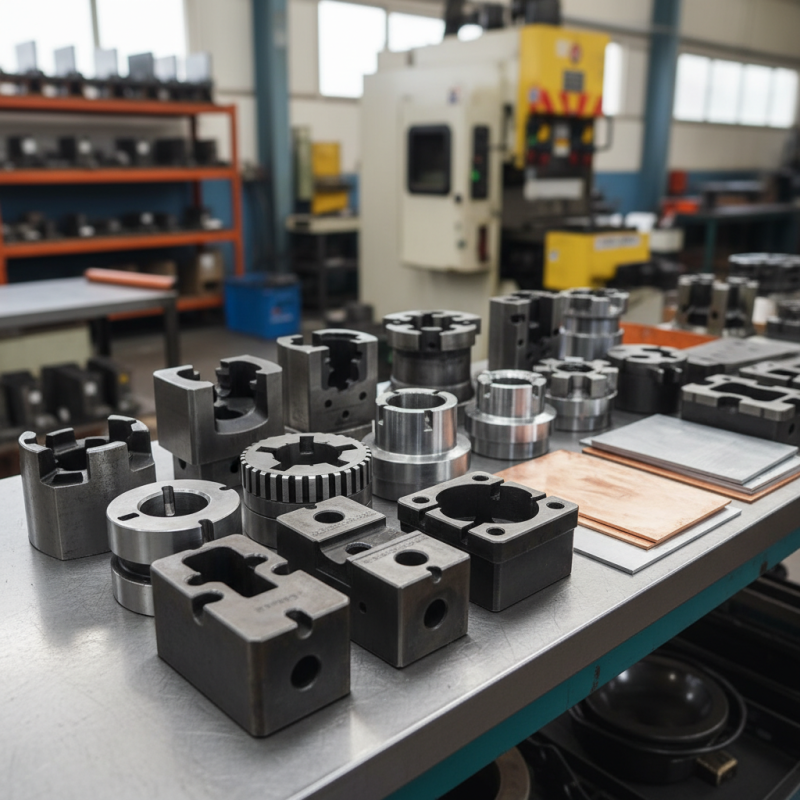
Understanding Different Types of Punch Press Dies Available in the Market
When selecting punch press dies, understanding the various types available is crucial. There are several categories, each tailored for specific applications. For instance, standard dies are common for general sheet metal operations. In contrast, progressive dies are designed for high-volume production, allowing multiple operations in one cycle.
According to industry reports, nearly 65% of manufacturers prefer custom dies to optimize their production lines. Custom dies can fit unique specifications for materials and shapes, enhancing efficiency. However, these can be costly and require precise planning. Mistakes in design can lead to increased waste and downtime, which can be detrimental in a competitive market.
Consideration of maintenance is also vital. Tooling needs regular inspection. Slight misalignments can cause defects, affecting product quality. It’s essential to train staff on the upkeep of dies. Regular training can reduce errors. Inconsistent maintenance practices can lead to unexpected costs, which can stifle growth. Always weigh the pros and cons before making a final choice. Understanding these types will ultimately help in making an informed decision.
Evaluating Material Compatibility for Your Punch Press Dies Selection
When selecting punch press dies, material compatibility is crucial. Not all materials can withstand the same pressure or wear. For instance, steel dies work well with harder materials but may not perform as efficiently with softer metals. Understanding these nuances will help ensure optimal performance.
Tips: Always test a small batch first. This gives insight into how the material reacts with the die. Observing any wear patterns can guide future selections. Additionally, consider the thickness of the material. Thicker materials may require more robust dies to avoid chipping or breaking.
Recognizing the right materials can save time and costs. However, the learning curve can be steep. It's essential to assess every interaction of materials and dies. Document results to refine your process. A slight miscalculation can lead to significant losses. Ensuring that the die and material complement each other is often overlooked. Prioritizing this compatibility is key for efficient operation.
How to Choose the Best Punch Press Dies for Your Needs?
| Material Type | Compatibility | Die Design | Common Applications |
| Steel | Excellent | Progressive dies | Automotive parts, Industrial equipment |
| Aluminum | Very Good | Compound dies | Aerospace components, Consumer products |
| Brass | Good | Single hit dies | Electronics, Decorative items |
| Plastic | Moderate | Heat forming dies | Packaging, Home goods |
| Stainless Steel | Excellent | Custom dies | Food industry, Medical equipment |
Considering Die Hardness and Thickness for Optimal Performance
Choosing the right punch press dies is crucial for various manufacturing processes. One significant factor is die hardness. Hardness affects the die's ability to withstand wear and maintain its shape over time. According to industry studies, the optimal hardness range for dies is typically between 55-65 HRC (Rockwell hardness scale). Dies within this range tend to offer a balance between toughness and wear resistance, leading to improved longevity.
Thickness is another vital consideration. Thicker dies often provide better stability during high-speed operations. However, greater thickness can also increase material costs. A report from the Metal Forming Association indicates that optimizing die thickness can reduce production costs by up to 15%. Users must strike a balance between desired durability and cost-efficiency when selecting die thickness for their operations.
It's essential to account for the specific applications of the dies. Some users may overlook the impact of hardness and thickness on performance. Poor choices can lead to premature die failure or product defects. Regularly reviewing die performance and adjusting specifications can help in achieving optimal results in the long term.
Assessing Production Volume and Efficiency Needs in Die Selection
When selecting punch press dies, understanding your production volume is crucial. This helps ensure you choose the right die for your specific needs. High-volume production may require dies that can sustain wear and tear, while low-volume projects might benefit from more versatile dies. It’s also vital to assess how efficiently a die can operate within your production process.
**Tips:** Always consider the materials you’ll be working with. Different materials can impact die life significantly. Think about the frequency of die changeovers. More frequent changes can create inefficiencies and increase downtime.
Remember, the sturdiness of the die is essential. A well-built die can mean fewer replacements and less interruption in production. Choosing a die based solely on cost can lead to unexpected issues. Analyze the trade-offs between initial investment and long-term savings. This reflection on your production needs could make a substantial difference in your overall efficiency.
Production Volume vs. Efficiency Needs in Punch Press Die Selection
Budgeting: Cost Factors and Long-Term Investment in Punch Press Dies
Budgeting for punch press dies is crucial for any manufacturing operation. These tools can account for a significant portion of production costs. On average, the investment in dies can range from $500 to over $5,000, depending on complexity. The initial outlay may seem daunting, but considering the long-term benefits is essential.
High-quality dies improve efficiency and product consistency. According to industry data, investing in superior dies can lead to a 20-30% increase in production efficiency. However, it’s vital to balance quality with your budget constraints. Cheaper dies may save money upfront but can result in increased maintenance costs and downtime.
Tips: Research different die suppliers. Gathering multiple quotes helps in understanding market pricing. Consider the return on investment (ROI). Quality dies may be expensive initially, but they often lead to lower operational costs in the long run. Evaluate your production needs carefully before making a purchase. This reflection can save you from costly mistakes.