How to Choose the Right Gas Flow Meter for Your Needs?
Choosing the right gas flow meter is crucial for a variety of industries. The global gas flow meter market is projected to reach USD 3.1 billion by 2026, reflecting its importance in sectors like oil and gas, chemical processing, and water treatment. A reliable gas flow meter ensures accuracy and efficiency in measuring gas flow rates, which can significantly impact operational costs.
There are diverse types of gas flow meters, including thermal mass, ultrasonic, and differential pressure meters. Each type serves different purposes and applications. Selecting the appropriate one can seem daunting. Factors such as flow range, pressure, and gas composition must be evaluated. Inaccurate selection may lead to operational inefficiencies and financial losses.
Industry reports emphasize that making an informed decision is vital. Many organizations face challenges due to suboptimal choices. Understanding industry specifications and consulting with experts can lead to better outcomes. This careful approach ensures effective gas management and compliance with industry standards. With the right gas flow meter, businesses can enhance productivity and minimize waste.

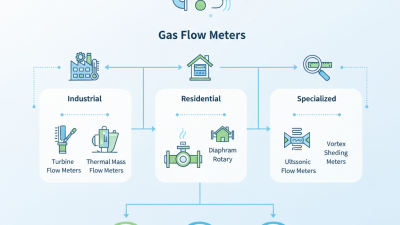
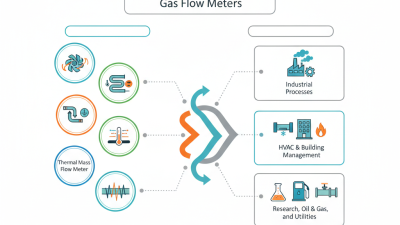
Understanding Different Types of Gas Flow Meters and Their Applications
Selecting the right gas flow meter is essential for various industries. Different applications require specific measurement techniques. Understanding these types can lead to better choices.
There are several types of gas flow meters available today. For example, vortex flow meters. These meters rely on the frequency of vortices created by an object placed in the gas flow. According to a recent industry report, vortex meters hold a market share of approximately 25% due to their accuracy and reliability.
Thermal flow meters measure gas flow based on temperature changes. They excel in low flow rates and are often used in energy management applications.
Differential pressure flow meters are another popular choice. They operate on the principle of pressure drop across a restraining element. This type is often used in natural gas distribution. A study by the American Gas Association noted that these meters account for nearly 40% of installations in the gas industry.
Each meter has its advantages. However, they also present challenges. Factors like temperature and pressure can impact their accuracy. Ultimately, understanding each meter's unique features can aid in making a more informed decision.
Key Specifications to Consider When Choosing a Gas Flow Meter
When selecting a gas flow meter, key specifications are essential in meeting your specific needs.
Accuracy is the first factor to consider. High-quality meters typically offer accuracy ratings of
1% or better, which is crucial for applications that require precise measurements.
The flow range also plays a vital role. Meters should handle the expected flow rates to avoid inaccurate readings.
According to industry reports, it’s noted that up to 20% of flow meters fail due to improper range selection.
Materials used in construction are important. Meters often encounter harsh environments, exposing them to corrosive gases.
Stainless steel, for instance, can withstand these conditions while maintaining reliability.
Additionally, consider the meter type—mechanical, thermal, or mass flow meters. Each has unique advantages and vulnerabilities, making application suitability key.
Tip: Always evaluate your system requirements before purchasing.
Understand pressures, temperatures, and flow types involved. An incorrect choice could lead to frequent calibrations or unnecessary downtime.
Another consideration is installation space; some meters are bulky, complicating integration. Prepare for potential challenges in fitting your chosen meter within existing systems.
Analyzing the Accuracy and Calibration Requirements for Gas Flow Meters
When selecting a gas flow meter, understanding accuracy and calibration is essential. The accuracy of a gas flow meter is critical for operations in industries like oil and gas, pharmaceuticals, and environmental monitoring. Different flow meters have varying accuracy levels, typically ranging from ±0.5% to ±5%. This variance can impact your operations significantly.
Calibration is the process to ensure the meter's accuracy. Depending on the application, some meters require frequent calibration, while others might stabilize over time. Regular checks using primary standards are key. Calibration intervals can depend on factors such as usage frequency and environmental conditions. Lack of proper calibration could result in measurement errors, leading to finance losses or safety risks.
Investing in a highly accurate meter may seem ideal, but it also raises questions. Are the operational conditions stable? Is the frequency of usage high enough to justify the costs? Understanding these aspects can help avoid unnecessary expenditure. Ultimately, the right balance between accuracy and calibration needs can empower decision-making in various applications.
Exploring Industry Standards and Certifications for Gas Flow Meters
When selecting a gas flow meter, understanding industry standards and certifications is crucial. These guidelines ensure reliability and accuracy. Various organizations establish these standards, such as the International Organization for Standardization (ISO) and the American National Standards Institute (ANSI). Compliance with such standards signifies that the meter meets essential quality benchmarks.
Certifications can indicate a meter's suitability for specific applications. For instance, ATEX certification is vital for meters used in explosive environments. In contrast, PED compliance is critical in industries involving pressure equipment. However, awareness of these certifications can sometimes be overlooked in favor of initial costs, which may lead to long-term inefficiencies.
It's also important to consider local regulations. Many regions have specific requirements for gas flow measurement. Ignoring these can lead to compliance issues and potential penalties. Each application might have distinct needs, making one standard not universally applicable. Evaluating how these certifications fit your unique situation is essential for making an informed decision.
Gas Flow Meters: Types and Their Uses