How to Choose the Best Irrigation Flow Meter for Your Garden Needs
When it comes to maintaining a thriving garden, one of the most crucial elements to consider is the efficiency of your irrigation system. An Irrigation Flow Meter serves as an invaluable tool for gardeners seeking to optimize water consumption while ensuring that plants receive the right amount of moisture. By accurately measuring the flow rate of water in your irrigation system, these meters help you monitor usage, assess efficiency, and make informed decisions about watering schedules.
Choosing the best Irrigation Flow Meter tailored to your garden's needs can be a daunting task, given the variety of options available in the market. Whether you are tending to a small home garden or managing a larger agricultural landscape, understanding the key features and specifications of flow meters is essential. This guide will provide insights into the different types of Irrigation Flow Meters, their benefits, and important factors to consider, empowering you to make the best choice for a healthy and vibrant garden.
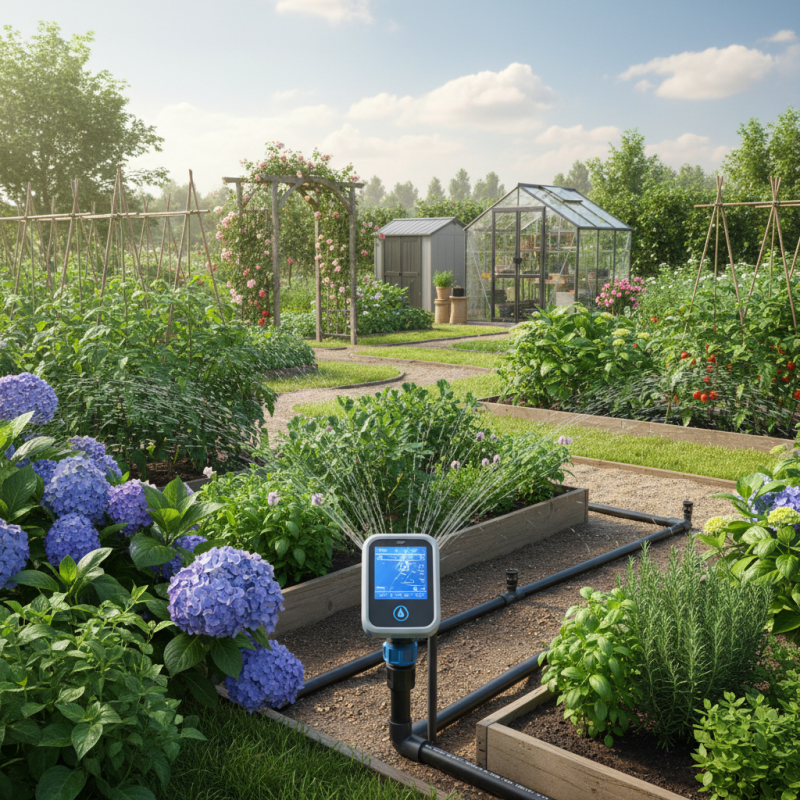
Understanding the Importance of Irrigation Flow Meters in Gardening
Understanding the Importance of Irrigation Flow Meters in Gardening
Irrigation flow meters play a crucial role in effective garden management by providing accurate data on water usage. By measuring the amount of water flowing through irrigation systems, these devices help gardeners monitor their water consumption and ensure that plants receive the optimal amount of moisture. This is particularly important in an era of increasing water scarcity, where efficient water usage can lead to both environmental sustainability and cost savings.
Moreover, flow meters enable gardeners to fine-tune their irrigation strategies. By analyzing flow data, gardeners can identify any discrepancies in water distribution, preventing overwatering in some areas while allowing others to dry out. This insight allows for precise adjustments to watering schedules and amounts, promoting healthier plants and better yields. In addition, understanding flow dynamics can help in detecting leaks or blockages in the irrigation system, ensuring a well-functioning setup that supports robust plant growth. Overall, incorporating flow meters into gardening practices not only enhances plant health but also contributes to responsible water management.
Types of Irrigation Flow Meters and Their Features
When selecting an irrigation flow meter for your garden, it's essential to understand the various types available and their respective features. The most common types include mechanical, electromagnetic, and ultrasonic flow meters.
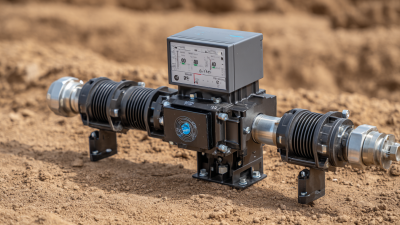
Mechanical flow meters, which utilize gears and moving parts, are typically cost-effective and suitable for smaller gardens. However, they may require more maintenance over time.
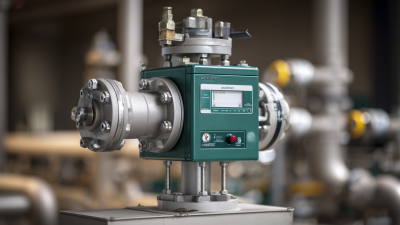
In contrast, electromagnetic flow meters are ideal for larger systems and provide accurate readings regardless of the fluid's temperature and pressure. These devices operate on Faraday's principle, ensuring precise measurement of water flow, which is particularly beneficial for efficient irrigation management.
Ultrasonic flow meters operate using sound waves to measure the velocity of the water, translating this information into a flow rate. They are highly accurate and non-invasive, making them suitable for a wide range of applications and fluid types.
According to a report by Grand View Research, the global flow meter market is projected to reach USD 7.9 billion by 2025, reflecting a growing recognition of the critical role these devices play in sustainable water management and conservation in agriculture.
Understanding the advantages and limitations of each type will enable you to select a flow meter that best meets your garden's unique irrigation needs and contributes to sustainable water use.
Criteria for Selecting the Right Flow Meter for Your Garden
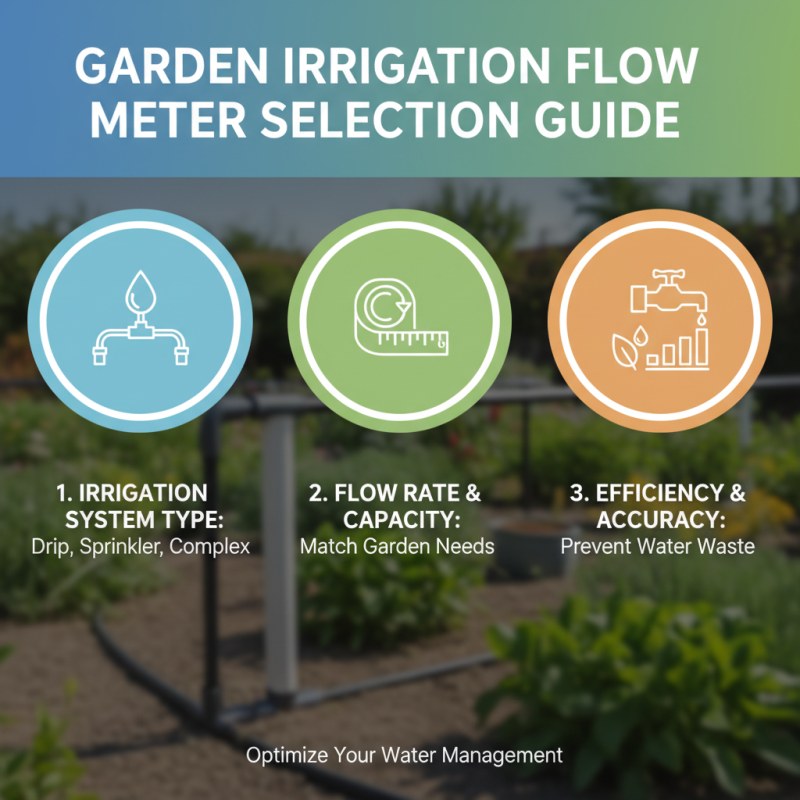
When selecting the right irrigation flow meter for your garden, it's essential to consider several key criteria that can greatly affect efficiency and accuracy. First, determine the type of irrigation system you have—whether it's drip, sprinkler, or a more complex setup—as different systems may require specific types of flow meters. Additionally, assess the flow rate needed for your garden, as flow meters come in various sizes and capacities. Choosing a flow meter that accommodates your garden's needs can ensure proper water management and prevent wastage.
Tips: Always measure the pressure in your irrigation system to find a flow meter that operates efficiently under your specific conditions. It's also beneficial to consider the installation process; some flow meters come with complicated fittings while others are user-friendly and easy to install, even for those new to gardening.
Another critical factor is the durability and material of the flow meter. Look for meters made from high-quality materials that can withstand outdoor conditions, especially if your garden is exposed to harsh weather or UV rays. Moreover, consider whether you want a mechanical or electronic meter; while mechanical meters are typically more affordable, electronic meters may provide advanced features like real-time data monitoring and remote access, which can enhance your irrigation strategy.
Installation Tips for Effective Use of Irrigation Flow Meters
When it comes to optimizing water usage in your garden, proper installation of irrigation flow meters is crucial. According to a report by the American Society of Agronomy, efficient irrigation can improve crop yields by up to 25% while significantly reducing water waste, making the choice of a reliable flow meter essential. The ideal location for installation is at the start of your irrigation system, where it can measure the amount of water being distributed to various sections of your garden. Ensure that the meter is installed horizontally to avoid any discrepancies in measurement and that it is accessible for regular maintenance.
Additionally, calibrating your irrigation flow meter post-installation is vital. Industry studies suggest that meters should be checked for accuracy at least once a season, as discrepancies can lead to over- or under-irrigation. During calibration, use a known volume of water and compare the meter reading to ensure it is functioning correctly. This step not only helps in maintaining water efficiency but also in conserving resources, aligning with the findings from the Irrigation Association, which indicate that better monitoring can save up to 20% of water usage in agricultural practices. By following these installation tips, you’ll ensure that your irrigation system operates efficiently, catering to the specific needs of your garden.
Maintenance Best Practices for Long-lasting Flow Meters
Proper maintenance of your irrigation flow meter is crucial for ensuring its longevity and accuracy. One of the best practices is to regularly inspect the device for any signs of wear or damage. This includes checking for leaks, corrosion, or blockages that can hinder performance. Cleaning the meter periodically helps prevent the buildup of debris that could affect readings. Depending on the type of flow meter, this may involve disassembly and thorough washing of the internal components, followed by drying to avoid rust formation.
Another key aspect of maintaining flow meters is calibrating them as recommended by the manufacturer. Calibration ensures that the meter provides accurate readings, which is essential for effective water management in your garden. It’s also beneficial to keep the flow meter records, noting the date of calibration and any maintenance work performed. Lastly, protecting the flow meter from extreme weather conditions, such as freezing temperatures or excessive heat, can prevent damage and prolong its life, ensuring that your garden receives the optimal irrigation it needs for healthy growth.