What is Busbar Trunking and How Does it Work?
Busbar Trunking is an innovative electrical distribution system widely used in modern facilities. It allows efficient power distribution with reduced losses. According to a report by MarketsandMarkets, the global busbar trunking market is projected to reach USD 10.2 billion by 2025, indicating a growing recognition of its benefits in various industries.
This system stands out for its ability to handle high power loads while maintaining compactness. With the demand for energy rising, especially in urban areas, Busbar Trunking provides a practical solution. Its modular design simplifies installation and maintenance, making it a preferred choice in commercial buildings, data centers, and manufacturing sites.
Despite its advantages, potential downsides exist. Initial costs can be higher compared to traditional cable systems. Moreover, improper installation may lead to safety hazards. Understanding these nuances is crucial for stakeholders. The advantages of Busbar Trunking must be weighed against these challenges to ensure informed decision-making.
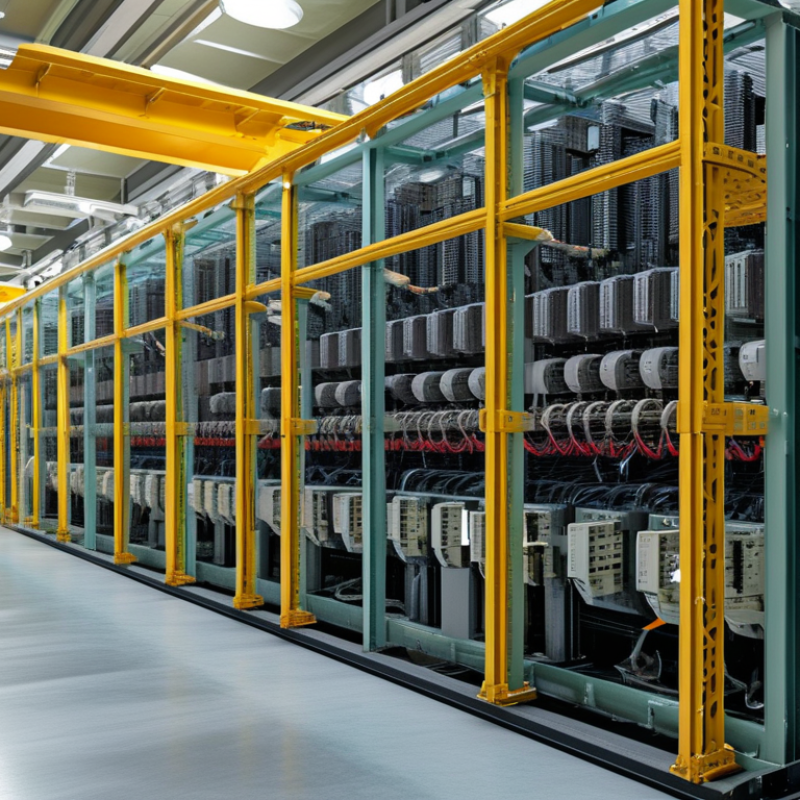
What is Busbar Trunking and Its Importance in Modern Electrical Systems
Busbar trunking is essential in modern electrical systems. It facilitates power distribution with minimal energy loss and high efficiency. Unlike traditional cabling, busbar trunking systems use a series of conductive bars. These bars provide a more compact and flexible solution for electrical installations. A report by the Global Market Insights projects that the busbar trunking market will witness a growth of over 6% by 2027. This growth is driven by the increasing demand for robust and efficient electrical systems.
The importance of busbar trunking lies in its ability to reduce installation time and costs. It simplifies the process of power distribution in commercial and industrial settings. Many facilities have found that integrating busbar trunking can cut installation times by up to 30%. This system allows for easy expansion and reconfiguration as needs change. However, choosing the right system requires careful consideration of load requirements and environmental factors.
Tips: Always consider the environment where busbar trunking will be installed. Extreme temperatures or moisture can affect functionality. Regular maintenance checks ensure efficiency and longevity. Balancing load correctly is crucial to prevent overheating. A well-planned Busbar System will enhance safety and performance in electrical networks. Monitoring system performance can lead to significant improvements over time.
What is Busbar Trunking and How Does it Work?
| Feature | Description |
| Definition | Busbar trunking is a system of conductors that leads electricity from a source to various loads by using busbars housed in a trunking system. |
| Components | Includes busbars, enclosure, connectors, and accessories for installation. |
| Advantages | High conductivity, compact design, ease of installation, reduced installation time, and enhanced safety features. |
| Applications | Used in commercial buildings, industrial plants, power stations, and data centers for efficient electricity distribution. |
| Types | Rectangular busbars, round busbars, and flexible busbars designed for various requirements. |
| Maintenance | Requires periodic inspections to ensure connections are secure, and to check for signs of wear or overheating. |
| Importance | Essential for modern electrical systems to enhance efficiency, ensure safety, and reduce potential electrical hazards. |
Overview of Busbar Trunking Components and Design Principles
Busbar trunking is an efficient electrical distribution system. It consists of several main components: busbars, connectors, and protective covers. Busbars are conductive metal bars, usually made from copper or aluminum. They handle high currents and minimize energy loss. Connectors link these bars to various electrical loads while protective covers safeguard against contact and environmental factors.
The design principles of busbar trunking focus on maximizing efficiency and safety. Proper sizing of busbars is crucial to prevent overheating. Adequate insulation is necessary to ensure safety in high-voltage environments. The layout should allow for easy access and maintenance. These design elements contribute to the system’s reliability but can also present challenges. Designers must balance between compactness and adequate heat dissipation.
Implementation of busbar systems requires careful planning. Each project may vary based on the electrical load and physical constraints. Environmental considerations also play a key role. It's essential to reflect on potential limitations and adjust designs accordingly. Awareness of these factors can lead to better, more resilient infrastructure.
Overview of Busbar Trunking Components and Design Principles
Working Mechanism of Busbar Trunking: A Step-by-Step Explanation
Busbar trunking is an efficient power distribution system widely used in various industries. Its design allows for a streamlined process of transferring electricity. Understanding its working mechanism involves several key steps.
Electricity flows through rigid bars made of conductive materials, usually copper or aluminum. These bars are insulated for safety. The busbar trunking system connects to various distribution points, delivering electricity where it's needed. The modular design permits easy installation and adjustment. Over time, some users find that the system's flexibility can lead to unintentional alterations in load distribution.
The mechanism begins with a power source connected to the trunking. The current travels along the bars. Junction boxes are strategically placed to distribute power to different loads. Each connection requires careful planning to avoid overloading. Regular maintenance checks help identify possible issues. However, installation errors can lead to inefficiencies or safety risks. Users may overlook the importance of these checks, which is a critical aspect of safety and performance.
Advantages of Using Busbar Trunking in Commercial and Industrial Settings
Busbar trunking is an effective power distribution solution, especially in commercial and industrial settings. Its design is compact and modular, making it easy to install and alter as needed. One major advantage is its ability to handle high current loads efficiently. This means fewer systems are required to manage the same amount of power. Additionally, busbar trunking systems are generally safer than traditional wiring methods. They have a lower risk of overheating and are less prone to faults.
Another benefit is flexibility. Companies can easily reconfigure their power distribution systems without major renovations. This adaptability supports energy management strategies and helps businesses scale operations smoothly. High-quality materials used in busbar trunking ensure durability in harsh environments, reducing maintenance costs over time.
Tips: Regularly check connections and joints to prevent any issues from arising. Consider using thermal imaging to spot potential hot spots. This proactive approach can save time and money in the long run. Engaging with professionals in the field can provide valuable insights on optimizing your busbar system. Seek advice to evaluate the best configuration that suits your specific needs.
Key Industry Standards and Regulations for Busbar Trunking Systems
Busbar trunking systems are integral to modern electrical distribution. They provide a flexible and efficient means of power distribution in commercial and industrial facilities. Compliance with industry standards is crucial for safety and reliability. Various organizations, such as IEC (International Electrotechnical Commission) and IEEE (Institute of Electrical and Electronics Engineers), set guidelines that ensure these systems operate effectively.
For instance, IEC 61439 outlines the performance requirements for low-voltage switchgear and control gear assemblies, which include busbar systems. This standard emphasizes thermal stability and dielectric properties. According to a report by MarketsandMarkets, the global busbar trunking market is projected to reach USD 10.3 billion by 2026. This growth reflects the increasing reliance on efficient energy distribution systems.
Despite the standards, challenges persist. Design engineers often struggle with integrating busbar systems into existing infrastructures. This can lead to inefficiencies and potential safety hazards. Furthermore, the variety of regulations across different regions may create confusion. Adhering to these standards while maintaining flexibility is key for future developments in busbar technology.